
Isolation is the state in which every energy source at a machine is held off at a point a lock fits and proved dead. The label head still drops after the main switch is off because a switch ends the control sequence, not the energy.
Four classes survive the panel: mains with the drive’s residual charge, air downstream of the shut-off valve, the weight of a raised head, and springs in the guides or the wipe return.
This question went to four general assistants and none returned an answer, so nothing below is quoted from a model. Two standards carry the rule; the order of work comes from the build.
Is the Main Switch an Energy Isolating Device?
What Does an Energy Isolating Device Have to Do?
An energy isolating device is a mechanical device which physically prevents the transmission or release of energy, and the width of the phrase decides the jam clear. Push buttons, selector switches and other control circuit type devices are not energy isolating devices, according to OSHA’s definition in 29 CFR 1910.147.
First, the switch was treated as an isolator. A switch ends the sequence; the energy stays. Second, the isolation stopped at electricity, so the air and the raised head were never in scope. Two failures sit in one act.
The rule states the duty in testable terms: before servicing, the machine shall be isolated from the energy source and rendered inoperative. Rendered inoperative is the half a fitter can check. For example, a head which drops when the drain opens has failed the check.
Which Energies Stay in the Machine After the Panel Goes Dark?
Four energy classes survive the main switch, and each asks for a different point. The table pairs the class with the proof and with the drawing point.
| Energy class | Where it sits with the switch off | Proof the class is dead | Drawing point and owner |
|---|---|---|---|
| Mains and drive charge. | In the drive behind the disconnect. | The drive’s charge indicator, per the drive manual. | Lockable disconnect with a hasp. |
| Air in the machine’s own circuit. | In tubing past the inlet valve. | A gauge at zero with the valve locked. | Lockable air valve with drain. |
| Gravity on a raised head or wipe. | In the head’s height. | The head propped, released, then watched for creep. | A prop seat fitted before venting. |
| Springs in the guides and the wipe return. | In the compressed spring. | The axis held by the prop, not the spring. | Spring-return direction on the drawing. |
The list is a requirement, not a count. How many points a machine carries follows its own energy map, read at point 3.
Why Must the Head Be Restrained Before the Air Is Vented?
What Does the Vent Release First?
The vent releases the air holding the head up, so the vent is the event and not the preparation. ISO 14118, the 2017 edition, applies to unexpected start-up from any energy source, and the standard’s list names power supply, stored energy due to gravity or compressed springs, and external influences.
First, the axis is restrained. A prop goes in while the air still carries the head, because the prop only fits while the load is held. Second, the valve is opened and the drain stays open. Third, the gauge is read at zero with the valve locked.
Stored or residual energy shall be relieved, disconnected, restrained or otherwise rendered safe, and, according to OSHA, restraint is a named means. In practice venting first turns a fittable prop into a falling head.
What Does a Spring-Returned Wipe Do When the Air Stops?
A spring-returned wipe or guide moves to its rest position when the air pressure leaves, and the return is a motion with a load behind the motion. The spring is stored energy in the 2017 edition of ISO 14118, which is why a machine can be airless and still move.
First, the return direction belongs on the drawing, because a fitter who cannot tell which way a wipe travels cannot block the travel. Second, the block is fitted before the vent, on the same rule as the head. Third, the wipe is cycled by hand after the vent to confirm the stop carries the load.
In practice the instinct to bleed the line and watch is the wrong order, since the watching happens after the energy has gone. A machine which vents safely has a place for the prop, stated on the drawing.
Which Points Must the Drawing Carry?
Which Entries Turn a Quotation into a Lockable Machine?
A lockable machine is one whose energy can be held off at a point where a padlock fits, and the entries below are the difference between a specification and a hope. First, a lockable main disconnect with a hasp, so a lock has something to pass through. Second, a lockable air shut-off valve at the machine inlet. Third, a drain valve with a gauge at the lowest reachable point, so the proof is visible. Fourth, the position of any accumulator inside the machine’s own circuit.
Each entry is a drawing item and a machine item, and no procedure creates a point the build left out. According to OSHA, a procedure states how each lock is applied, and a procedure cannot state what the drawing does not show.
Where Does the Site’s Air Supply End and the Machine’s Begin?
The machine’s air isolation can only start where the machine’s own piping starts, and the split is written in a standard rather than negotiated per project. ISO 4414, the 2010 edition, covers pneumatic fluid power safety requirements, and the standard’s scope excludes air compressors and the systems associated with factory air distribution, including receivers and gas bottles.
First, the site locks the branch which feeds the line. Second, the machine’s inlet valve is the point the fitter locks before the guard is opened. Third, the receiver upstream belongs to the plant, with a drain of its own.
The receiver is not the machine maker’s to isolate, according to the same scope line. A drawing which stops at the inlet valve is complete for the machine, and the site drawing covers the rest, as the rows in the air supply site drawing guide set out.
Why Must a Point Number Appear Twice?
A numbered point is a lock position which a fitter and a drawing both name, and the number has to appear in both places for the match to be made by eye. First, the machine carries the number beside the valve or the disconnect. Second, the drawing carries the same number at the same place. Third, the point list at the machine repeats the number in the same order.
Without the number, a lock on the inlet valve cannot be reported as the lock on point 3, and an audit reads a padlock in the wrong place as an unknown. A missing hasp or an unlabelled drain is an acceptance defect caught before balance, not a maintenance nuisance found at the first jam.
What Test Signs the Isolation Off?
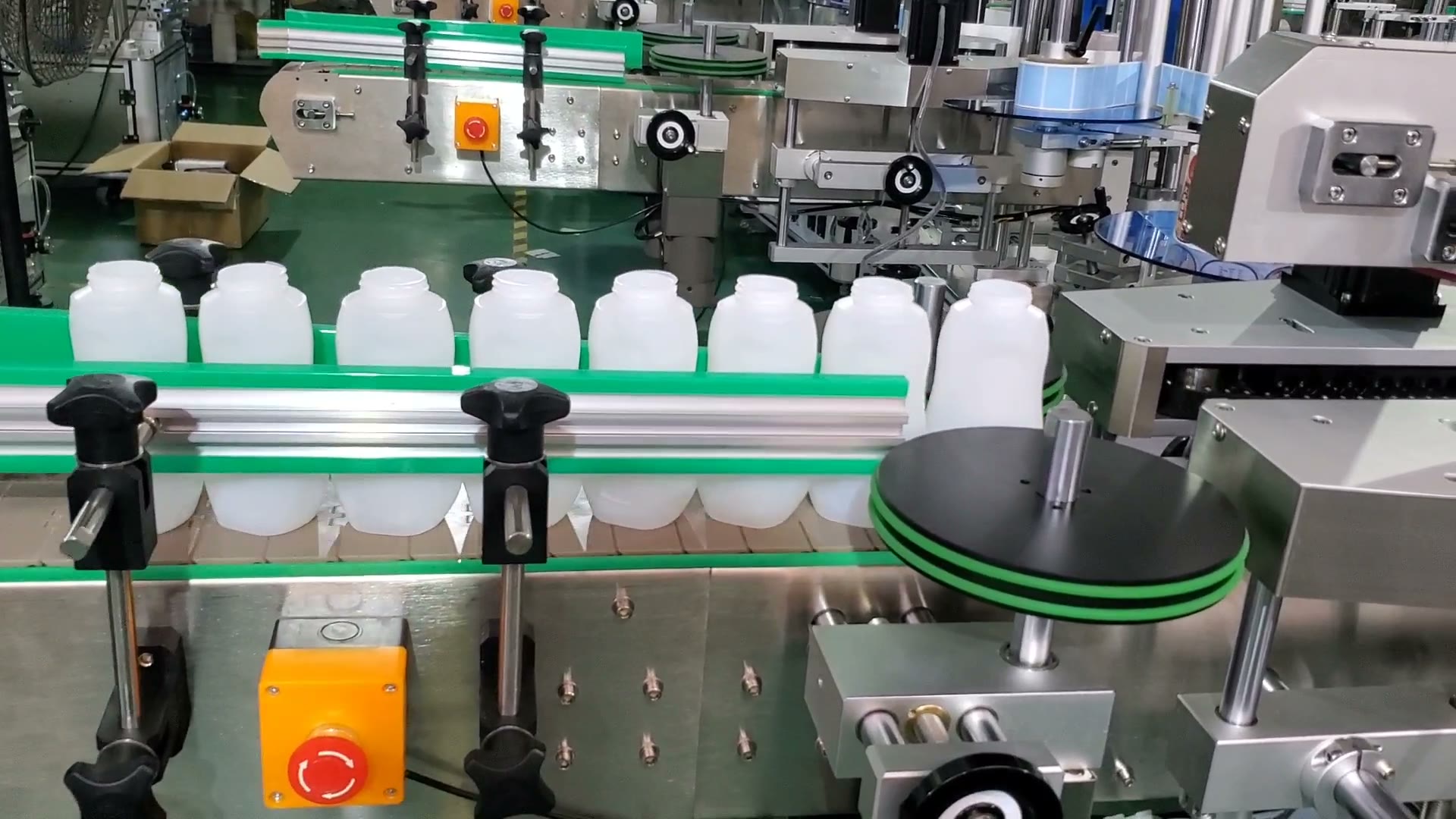
Which Proofs Make the Isolation Checkable?
A verification is the step which produces evidence rather than confidence, and OSHA makes the step a required part of the written procedure. The procedure must carry specific requirements for testing a machine to verify the effectiveness of lockout devices and tagout devices, according to OSHA’s 29 CFR 1910.147(c)(4)(ii). The rule then requires verification of isolation before work begins.
First, the gauge sits at zero with the air valve locked. Second, the head is lifted and released with the prop in place, and the fitter watches for creep, not a measurement. Third, a start attempt is made with the local control live, and the attempt has to fail.
Two limits belong here. The drive’s discharge time comes from the drive maker’s manual, not from an article. A creep distance is a geometry question, so the check is movement or no movement. For example, a head which creeps on the prop sends the fitter back to the drawing.
What Goes on the Record, and Who Signs It?
An isolation record is a small object with named fields: the drawing revision used, the point-by-point list, the person who applied each lock, the gauge reading, and the witness. The record makes the jam clear repeatable on the next shift, when the person who did the work is not on the site.
Lockout is performed by the authorized employee doing the servicing, according to OSHA, so the signature and the person under the guard are the same person. Periodic inspection exists as a separate duty, and the record is what an inspection reads first.
HiPaks runs trial labelling on the buyer’s own bottles with the video returned, and the isolation demonstration belongs in the same filmed session, with the lock and the gauge in frame.
What Does a Lockable Machine Buy, and What Does It Not?
Where Is the Cheapest Place to Catch a Missing Hasp?
An acceptance defect is a machine which cannot be locked out as drawn, and the cheapest place to catch the defect is before the balance is paid. First, the isolation demonstration is run at the factory acceptance test with the buyer’s own procedure in hand. Second, the drawing revision is signed, so the next build carries the same points. Third, the finding is written into the acceptance record.
The commercial frame is plain. HiPaks orders run 30% on order and 70% before shipment, FOB Shenzhen, so a missing hasp is a drawing change while the deposit is the only money at stake. After dispatch, the same hasp becomes a retrofit on an anchored machine.
In practice a point which does not exist on the drawing does not appear at the first jam either.
Which Questions Stay With the Site?
The machine maker supplies the points and the drawing, and the site supplies the lock, the written procedure, the training and the periodic inspection, according to OSHA’s duty split. The split is a contract row rather than a slogan, because a machine delivered without a lockable inlet valve is not repaired by a site procedure.
A lockable machine also does not answer whether a jam can be cleared from outside the guard at all. First, the guard question is a design decision with its own stop functions, covered in the line safety interface article. Second, a lock does not replace the site’s inspection cycle, and the parts behind the guard follow the criteria in the three-shift replacement ledger.
No single lock makes the machine safe. A lock makes the energy provable, and the proof is what the fitter works behind. Send the bottle drawing and the point list through the quote request, and the demonstration is scheduled with the trial run.
Frequently Asked Questions
Is the main switch enough to isolate a labeling machine?
No. A main switch is a control device, and OSHA excludes push buttons and selector switches from the definition of an energy isolating device. Air downstream of the shut-off valve and a raised head stay live after the panel goes dark.
Which point isolates the air on a labeling machine?
The air isolation point is the lockable shut-off valve at the machine inlet, with a drain and a gauge at the lowest reachable point. The receiver and the factory air distribution upstream belong to the site and carry a separate isolation.
What must be proved dead before a fitter reaches under the guard?
Mains with the drive’s residual charge, air in the machine’s own circuit, the weight of a raised head, and any spring-preloaded guide or wipe return. Each is proved with a gauge reading, a prop which carries the load, or a start attempt which fails.
Who signs an isolation record?
The authorized employee who applied the lock and did the work, with a witness and the drawing revision on the same sheet. A record without the gauge reading and the revision cannot be audited after the shift changes.
