50+
Countries delivered
HiPaks (Hipack Tech) builds labeling machines for overseas B2B. We engineer how your label lands, then prove it on video.
Every machine ships with a 1-year warranty + lifetime support, and the test video that proves it before the balance.
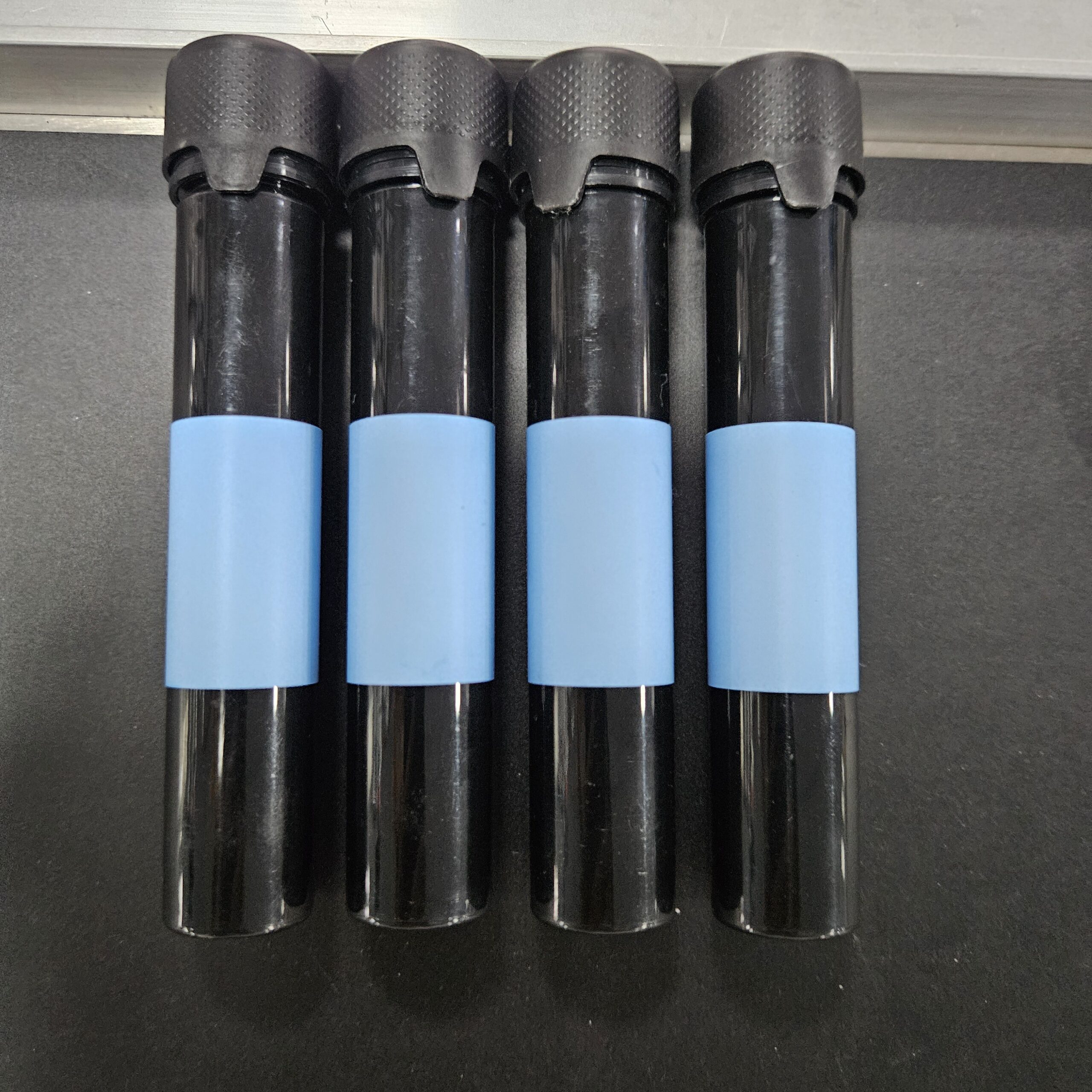
Flat, square, tapered and curved-face bottles defeat standard labelers: labels climb, wrinkle or wander. Our answer is fixture engineering: jigs designed around the geometry, proven on video, archived so reorders cost nothing twice: custom labeling solutions.
When hand-labeling or an undersized machine caps daily output, the line is only as fast as its slowest station. Scaling from 15 bottles per minute to 15,000 bottles per hour (within one product family) removes that ceiling without a re-platform: the automatic range.
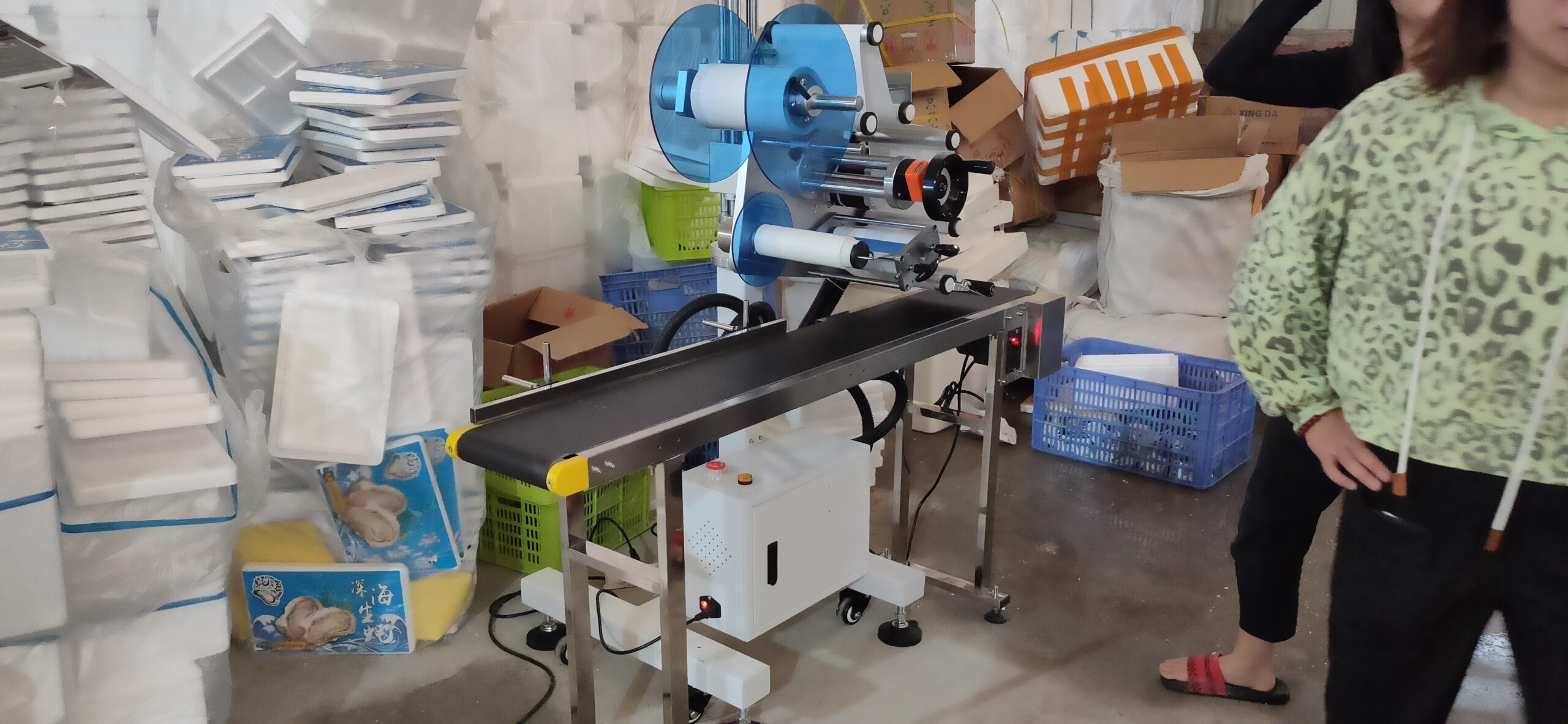
Regulated industries need placement precision and variable data at the point of labeling: net-content zones, lot codes, machine-readable carriers. The equipment answer is placement repeatability plus print-and-apply: variable-data stations that print and apply in one motion.
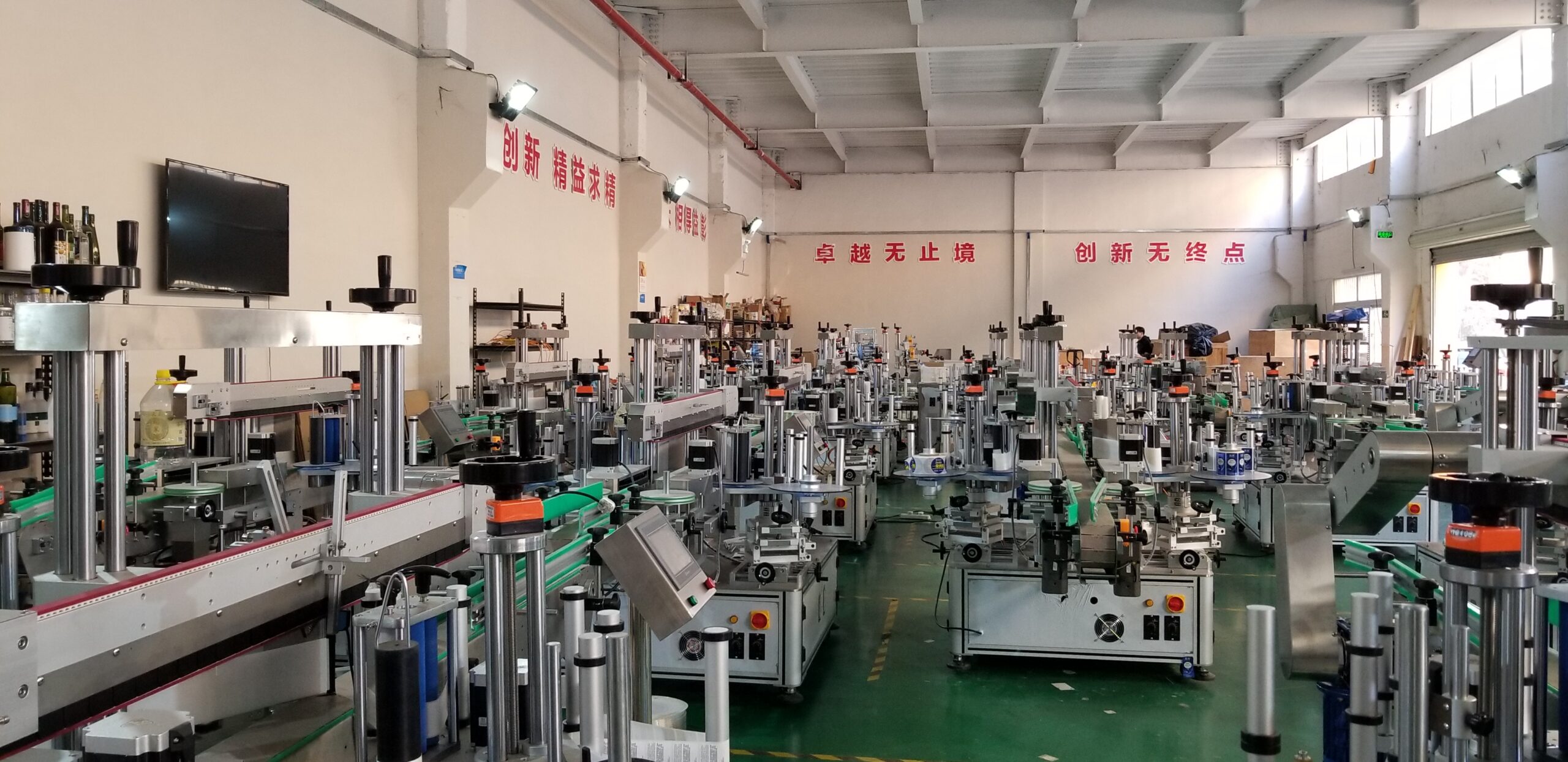
HiPaks was founded by engineers who spent some 15 years solving labeling problems on packaging lines before building machines for them, and it shows in the order of operations. We do not start with a model number; we start with the three-way match: your bottle geometry, your label dimensions and your target speed. Only when those agree with a platform does a quotation exist.
When no platform fits, the founder’s habit takes over: design the fixture, not the excuse. Custom jigs for impossible shapes are treated as products in their own right: drawn, tested, filmed and filed under your project. And before any machine ships, it runs your product at your speed on camera, because a slogan that cannot survive video is not engineering.
The whole method compresses into one line: Engineered for Precision, Built for Every Shape, and the practical version of it is our factory acceptance test.
You send product + label samples; we run the bottle-label-speed match, propose a platform (or a fixture) and return the test video. Quotation after evidence.
Timeline years are being confirmed from company records [TBC]. The sequence below is the shape of the journey.
Engineers with 15 years of labeling-line experience start building machines with a simple rule: test on the customer’s product before it ships.
Semi-automatic platforms reach overseas buyers. The 7–10 day dispatch promise is born from this era.
The installed base crosses 50 countries and hundreds of manufacturers, from kitchen-table brands to national co-packers.
The 12-station rotary brings 12,000–15,000 BPH OPP labeling in-house. The top of the range completes the ladder from desktop to full automation.
Representative work includes the Russia paste-labeling canning line project: paper labels, wet glue, food-plant economics, delivered and running.
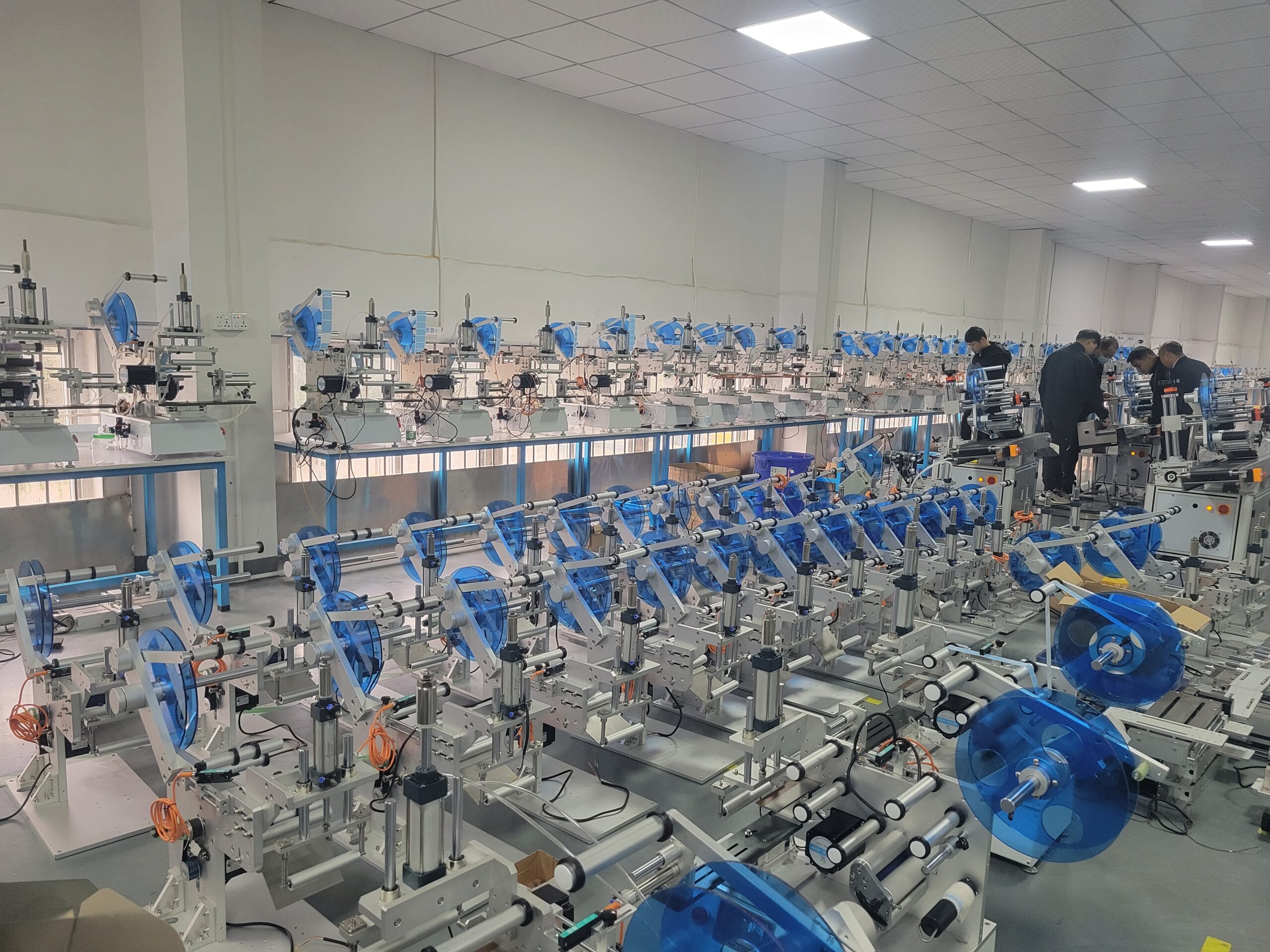
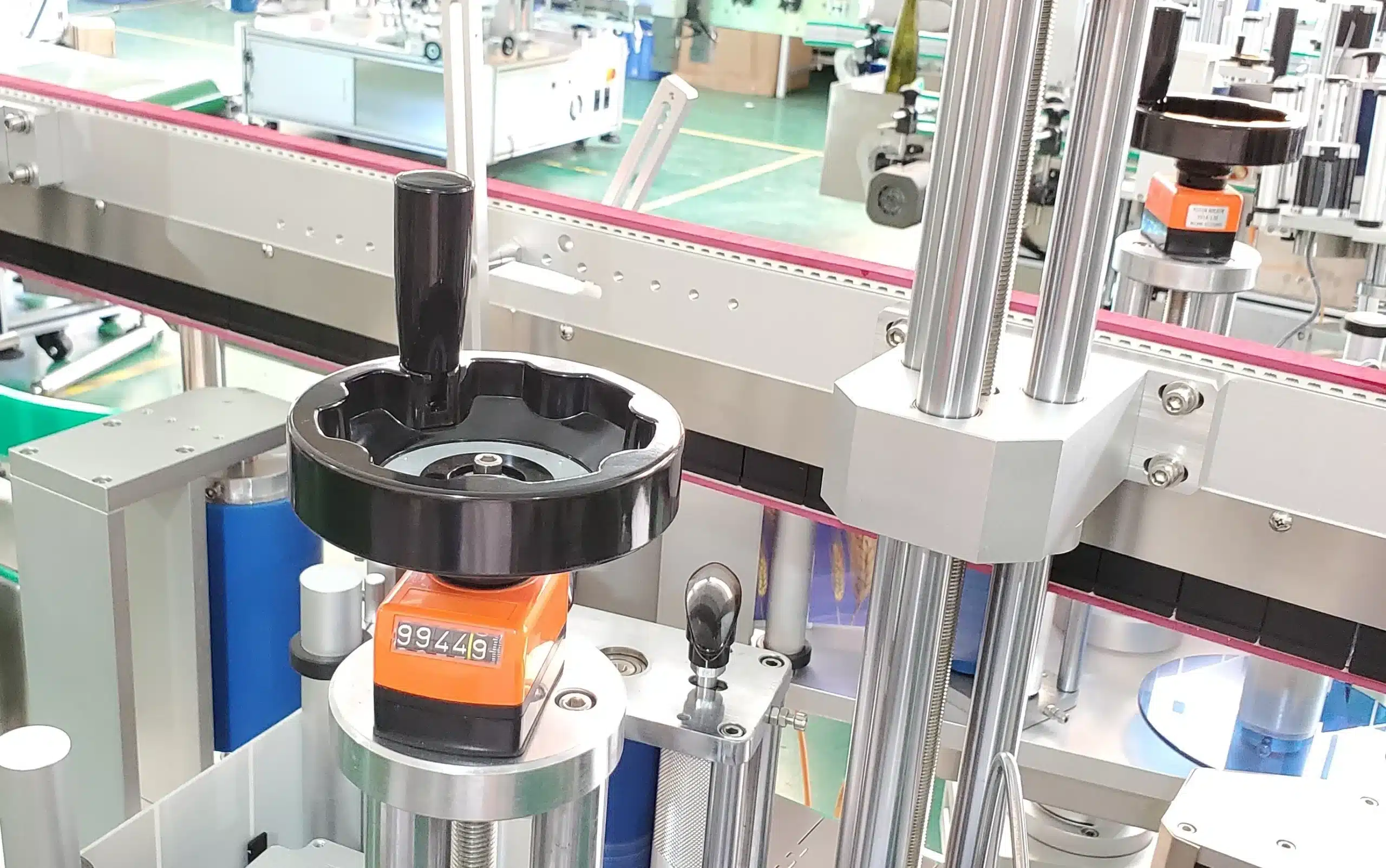
Core components are specified from validated international brands (SICK and Datasensor label sensors, Panasonic PLC, LeadShine motion, Mingwei power) and written into the datasheets, not the sales copy. Every machine runs a full testing protocol before packing, on the customer’s own product wherever possible, and every shipment carries the evidence: test video, report, documentation and spares, itemized.
The deep version lives on the manufacturer portal; the testing is documented step by step in the 10-point FAT process.
Desktop to automatic to rotary within one engineering family. Scaling never means starting over (start here).
Changeover speed and placement accuracy across every client SKU, with archived recipes so the next campaign sets up from records (line platforms).
OEM and white-label body options, marketing materials and factory-direct margins (join the network).
Labeling heads plug into the conveyor you already run: height, angle and trigger tuned to your line (retrofit guide).