
Wine
Body plus back label on Bordeaux, Burgundy and flagon shapes; tapered shoulders handled with engineered jigs.
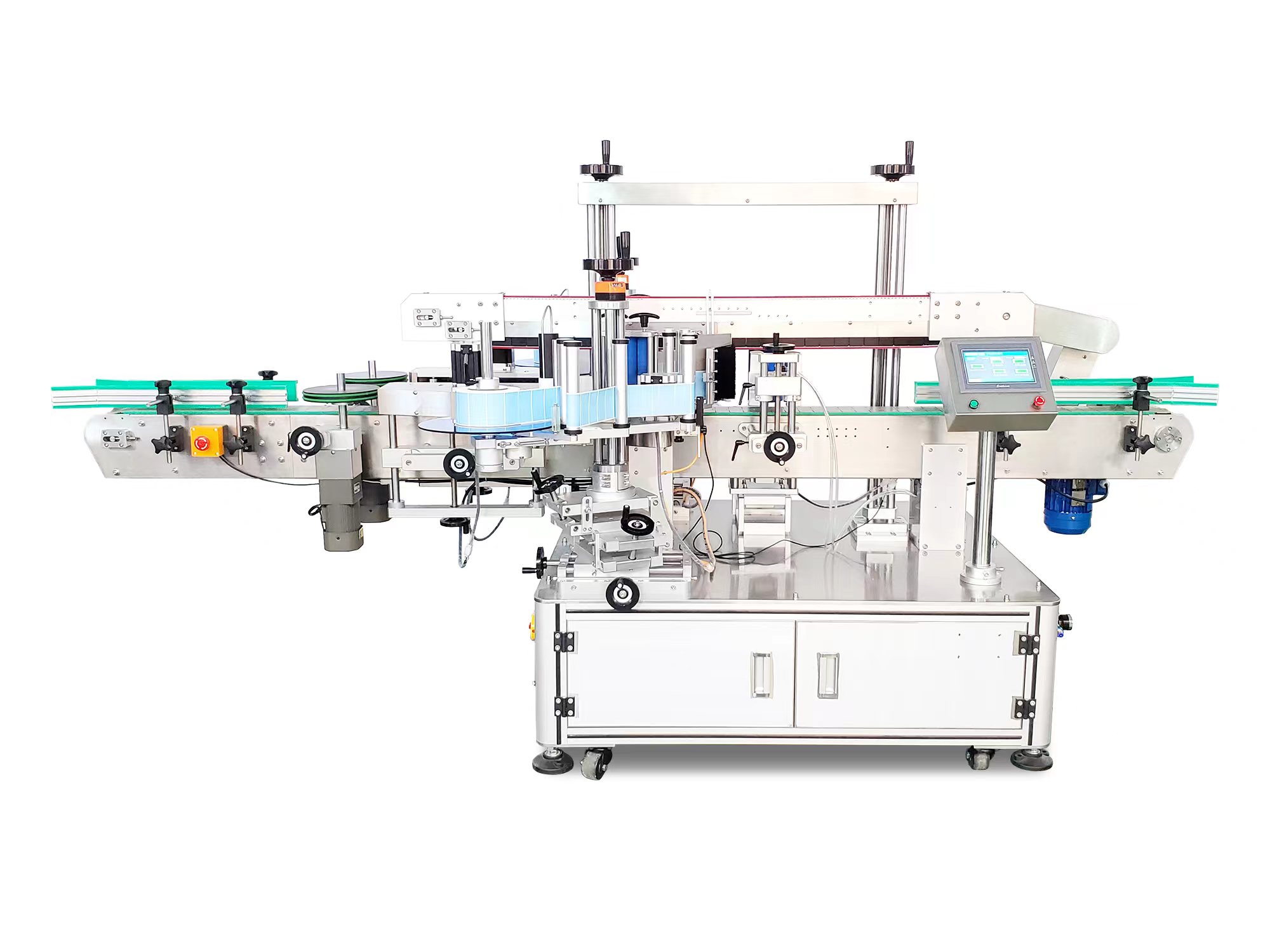
Front & back on wine bottles, wrap-around on cans, and 12,000–15,000 BPH rotary when you scale.
Body plus back label on Bordeaux, Burgundy and flagon shapes; tapered shoulders handled with engineered jigs.
Wrap-around on the T921 at canning-line pace, with optional inline date-code printing on the same pass.
Tall shoulders, heavy glass, premium stock, plus tamper-evident and corner seals where the market requires them.
Automatic wrap inline, then rotary hot melt when OPP film beats pressure-sensitive on cost per bottle.
A wine bottle gives you a short straight wall and then a shoulder that keeps changing circumference all the way to the neck. Any label that drifts into the taper must either stretch (it cannot) or wrinkle and climb (it will). This is the single most common “our old machine labeled wine badly” story we hear.
The engineering answers are unglamorous and they work. Keep the label inside the straight-wall zone: measure it honestly, including where the foil line will sit. Fix the bottle, not the label: an engineered jig presents each bottle at the same angle to the applicator, which is what makes label height repeatable across punts and heavy glass. For flagon and carafe shapes with aggressive tapers, the fixture is designed around your specific bottle and archived for reorders.
The full decision tree (straight-zone labels vs full-wrap jigs vs angled application) is in the tapered bottle labeling guide, and the fixture work itself starts at custom labeling solutions.
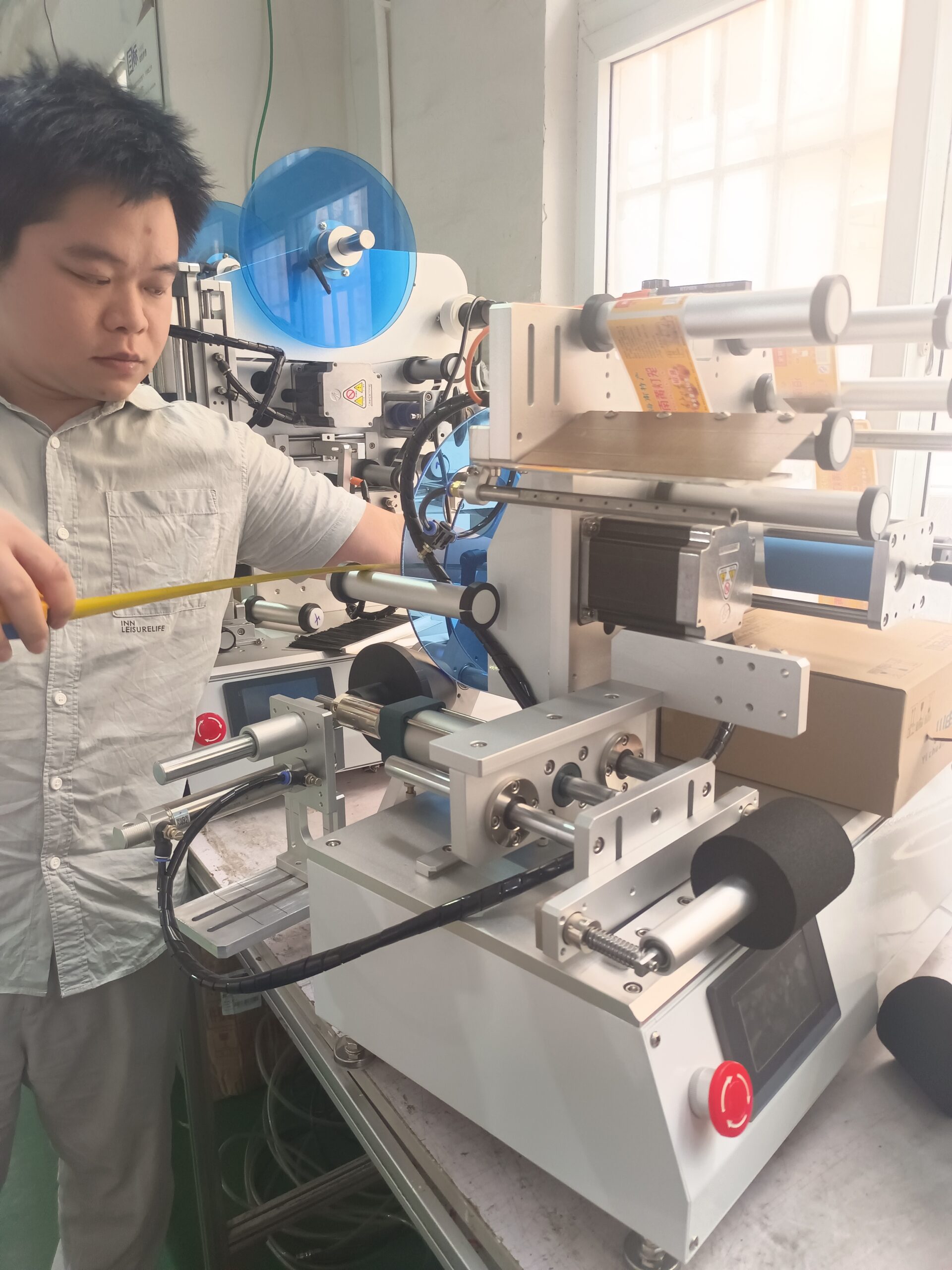
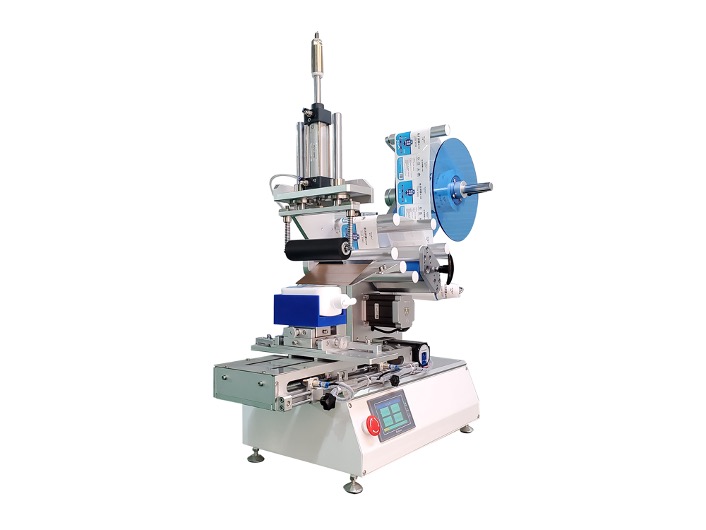
Front and back labels on round and oval bottles at benchtop pace: the classic small-winery configuration, one operator, 15–30 pcs/min.
Get Price →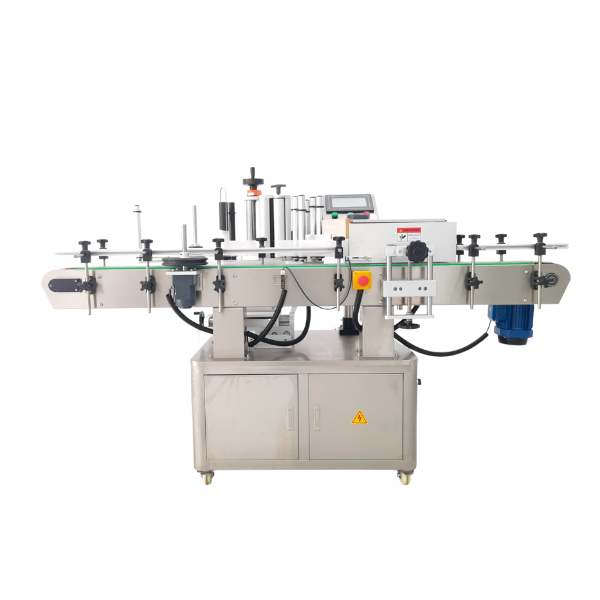
φ25–100mm at 40–120 pcs/min, ±1mm; brewery canning lines and water bottling on one platform family.
Get Price →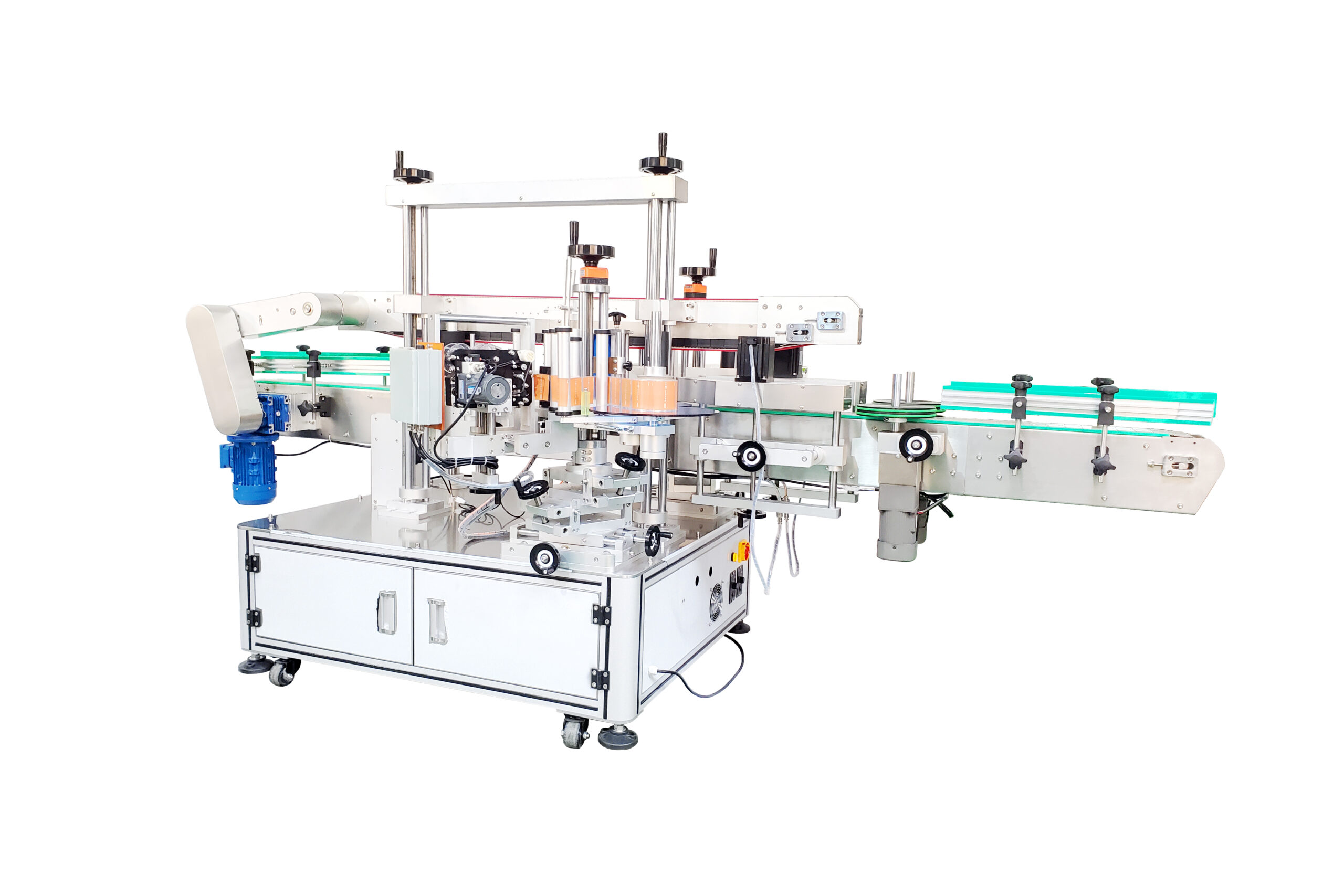
Front & back in one pass on square RTD and mixer bottles, 60–120 pcs/min; the format cocktail brands keep choosing.
Get Price →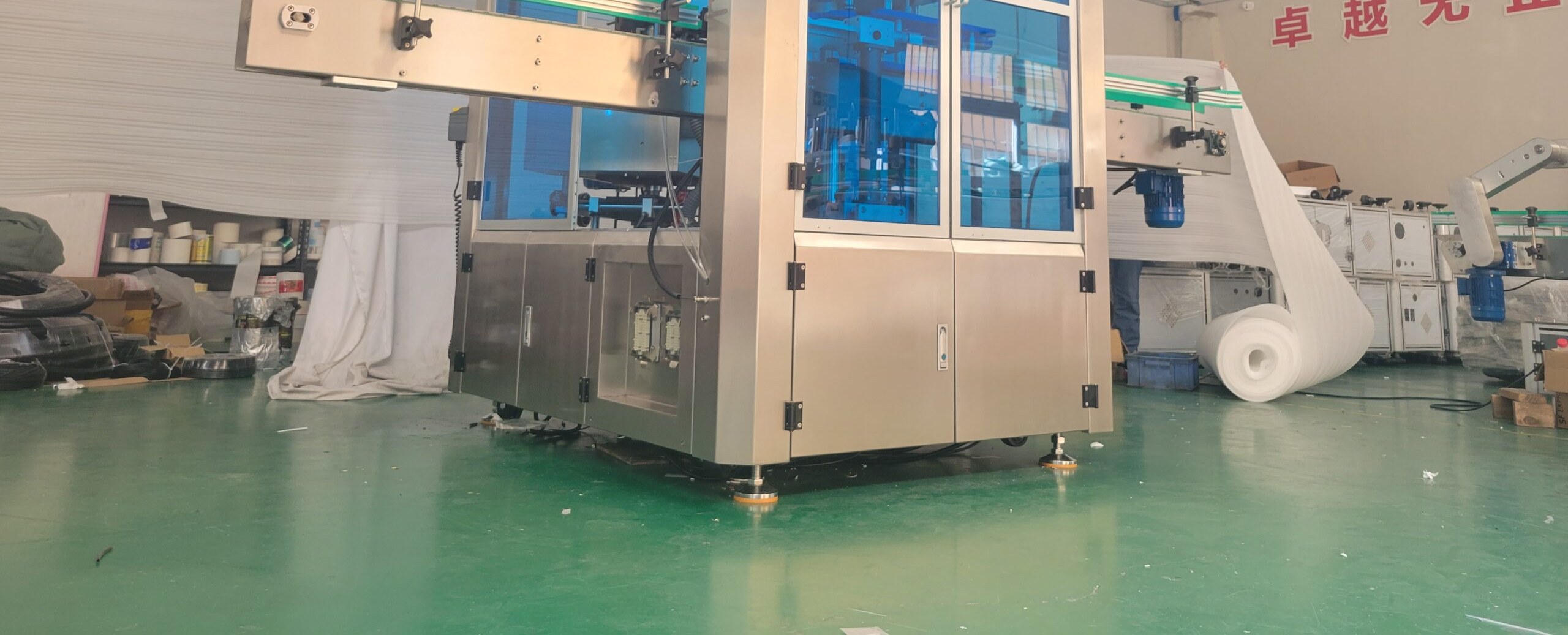
When volume justifies OPP film: 12,000–15,000 bottles/hour, servo label feed to 100 m/min, glue on the label ends only.
Get Price →Beverage brands grow in predictable steps: buy the step you are at, not the one you hope to reach.
Under ~200 bottles a week, hands and a jig block work, until consistency starts costing kegs and credibility.
MT-50 / MT-60 class desktops automate the roll, keep the bench, and cost from $600, the first step off manual.
MT-190e front-and-back for wine, T801 wrap for round: 15–30 pcs/min with one operator, ±0.5mm, 7–10 day dispatch.
T921 wrap for cans, T962 double side for square RTD: 40–120 pcs/min feeding from your conveyor, ±1mm.
12,000–15,000 BPH on OPP film, when cost per bottle matters more than flexibility. Modeled in the hot melt vs PSA TCO guide.
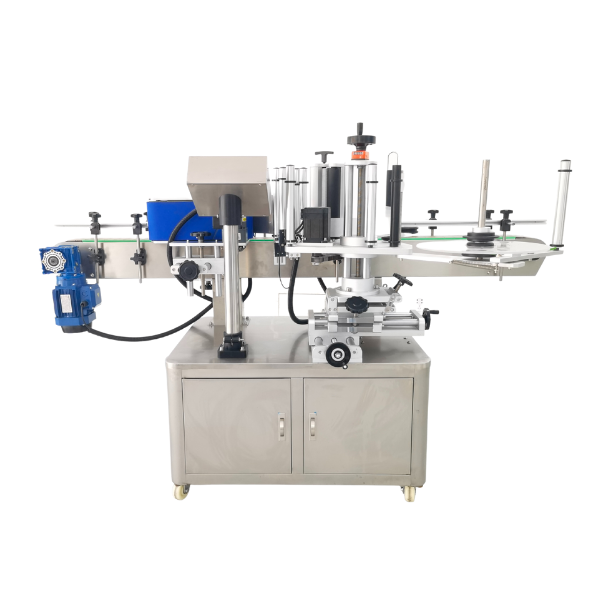
Alcohol regimes add label types ordinary products never see: excise stamps that must land in a precise, inspection-friendly position, tamper-evident seals that must tear predictably, and government warning panels with their own placement conventions. Dedicated application modules are evaluated per project [availability confirmed per project]; send the stamp or seal with your bottle samples and the test video shows all of them landing together.
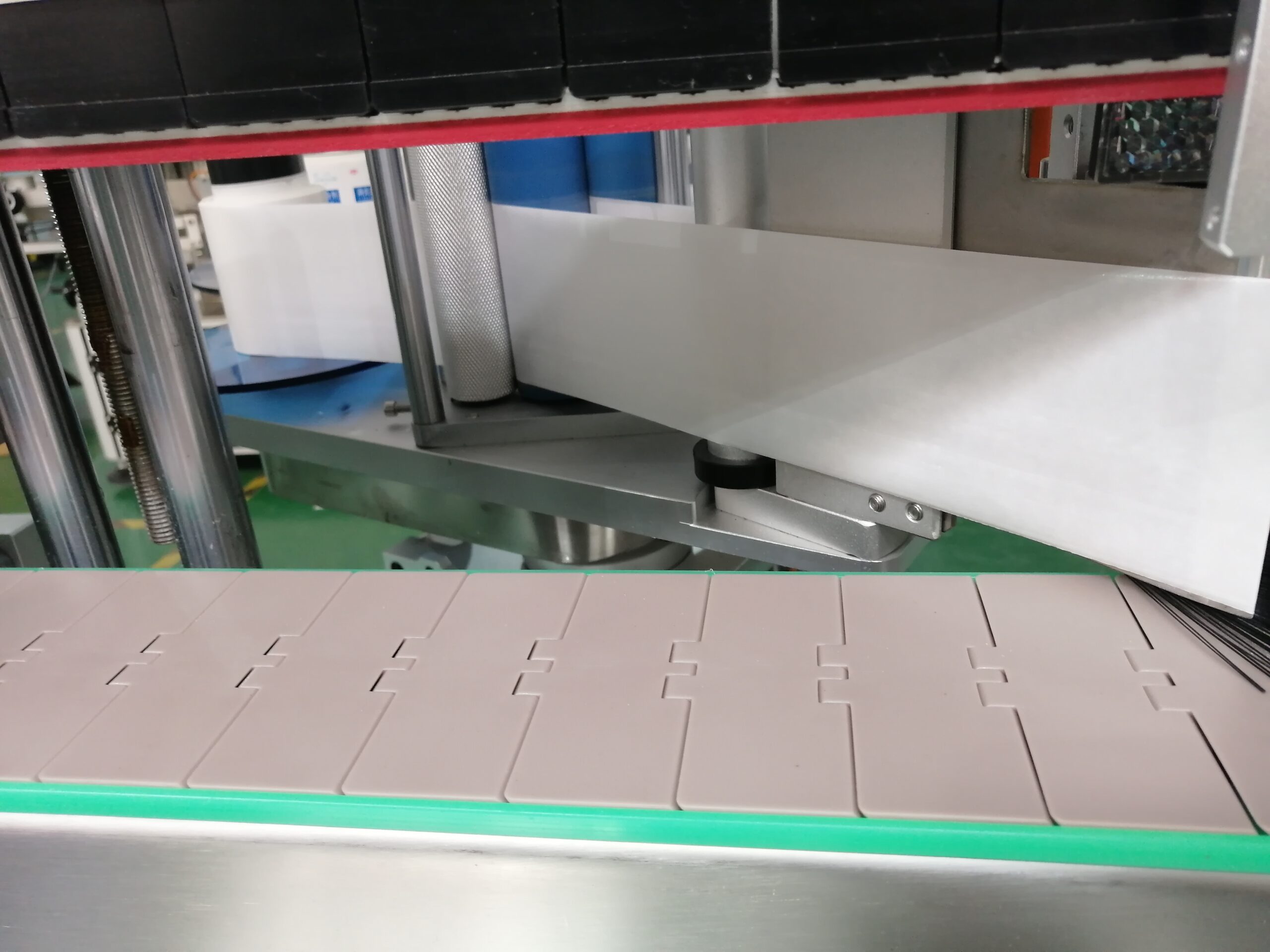
Empties ship fine and prove everything: the FAT video of your own bottles releases the 70% balance: FAT & quality.
Yes: the MT-190e semi-automatic applies front and back on round bottles including wine bottles, and the T803 roller platform covers oval and flat formats. At line scale the T962 double-side platform runs both labels in one pass at 60–120 pcs/min. Platform details: double-side labeling.
Two honest options: keep the label inside the straight-wall zone, or let an engineered jig present the bottle at a controlled angle. What never works is pushing a full wrap into the taper. The decision tree is in the tapered bottle guide; the fixture is designed around your bottle and archived for reorders.
Yes: the T921 wrap platform handles φ25–100mm at 40–120 pcs/min, ±1mm, which covers standard can formats. Feed it from your seamer conveyor; date-code printing can be linked inline via the print-and-apply station. Canning-line detail on the automatic series page.
Stamp and seal application is handled by dedicated modules designed per project: placement tolerance is the entire game with excise stamps. Send the stamp or seal sample with your bottles; the test video shows them applied together with the body label. Module scope is confirmed during engineering evaluation.
At 2,000 per batch you sit exactly on the semi-automatic / desktop-automatic boundary; the honest answer depends on batch frequency, not just size. Weekly 2,000-bottle runs justify a benchtop MT-190e; daily runs point at desktop automatic. Run your numbers through the upgrade & payback calculator, then let the test video settle the machine choice.