
Cans
Wrap-around on the T921 roller platform: craft beer, RTD coffee, sparkling water, seam aligned.
Cans, jars, bottles and pouches: 15 pcs/min to 15,000 BPH; one manufacturer, so you never re-platform as you grow.
Wrap-around on the T921 roller platform: craft beer, RTD coffee, sparkling water, seam aligned.
Curved shoulders are jig territory; we engineer the fixture and archive it for reorders.
Front & back on square and flat sauce bottles in one pass; full wrap on round oil and dressing bottles.
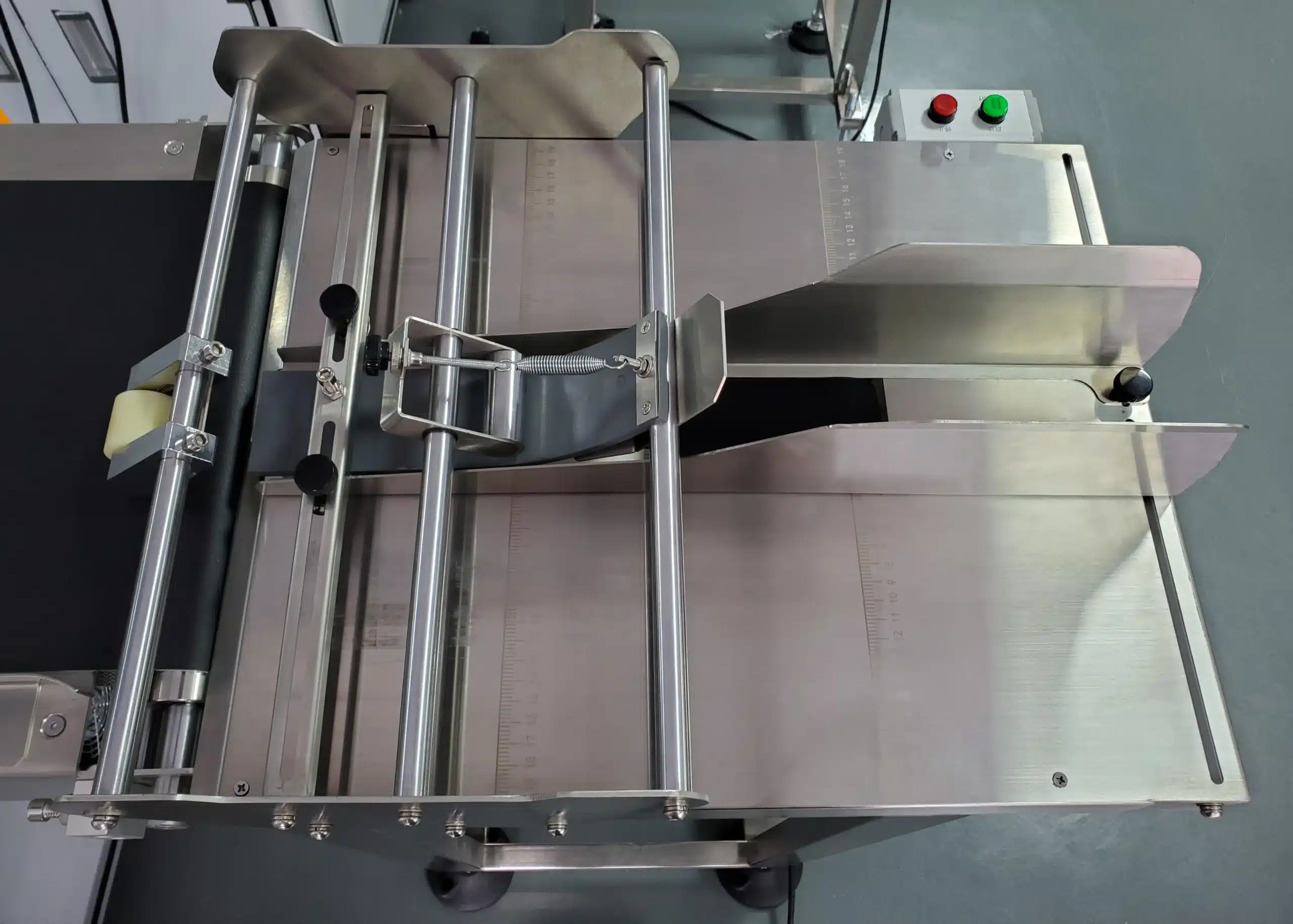
Friction page-feeding presents each bag flat; the applicator presses the panel label home. Coffee, snacks, spice refills.
Yogurt cups, deli tubs and dessert cups wrap on semi-automatic rotary tables or inline, depending on daily volume.
Flat-surface placement on the top web: price, PLU and brand panel on produce and bakery packs.
Valve bags and stand-up pouches fed one by one through the page-fed platform; roast date and origin panel every time.
Small-diameter glass and PET at the slim end of the roller range; wrap-around with panel alignment for nutrition panels.
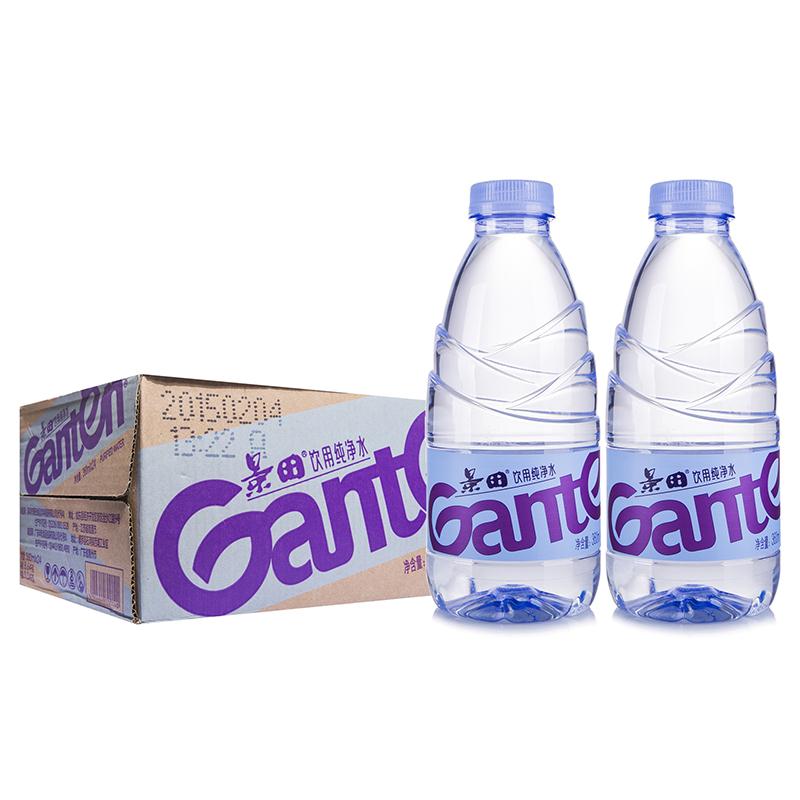
Under 21 CFR 101.7, the net quantity statement must sit in the bottom 30% of the principal display panel, a placement rule, and placement is what the machine holds: ±1mm repeatability inline (±0.5mm benchtop) keeps the field where your artwork drew it, cycle after cycle. Where FSMA 204 traceability adds a lot-code carrier, the FT-600 print-and-apply station prints it variable at the point of labeling: equipment capability, not legal advice; your artwork and regulatory sign-off remain yours.
[DIAGRAM PLACEHOLDER]
PDP elevation · bottom 30% zone shaded
net-content field parallel to base
label placement window ±1mm overlay
(art to be provided by design team)
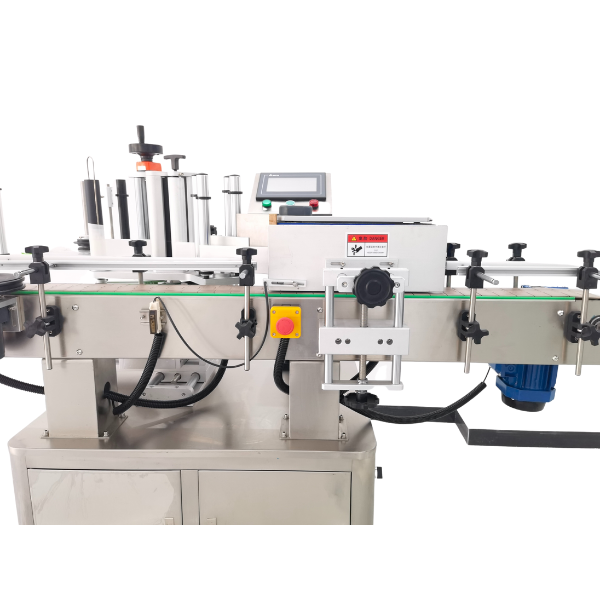
φ25–100mm wrap-around at 40–120 pcs/min, ±1mm: the line-speed workhorse for cans, water, oil and dressings.
Get Price →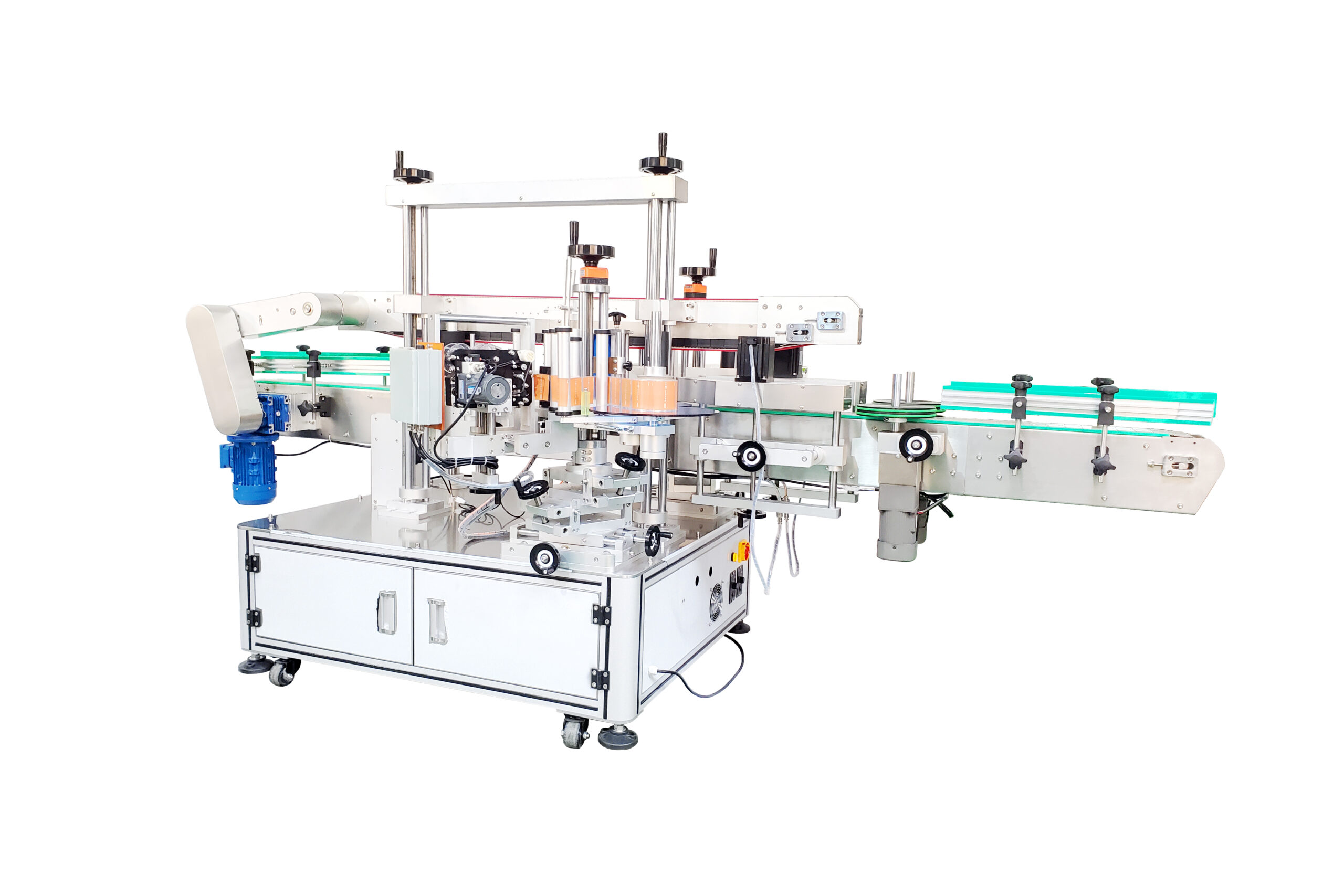
Front & back in one pass on square and flat bottles, 60–120 pcs/min; BBQ sauce, dressing, syrup geometry solved.
Get Price →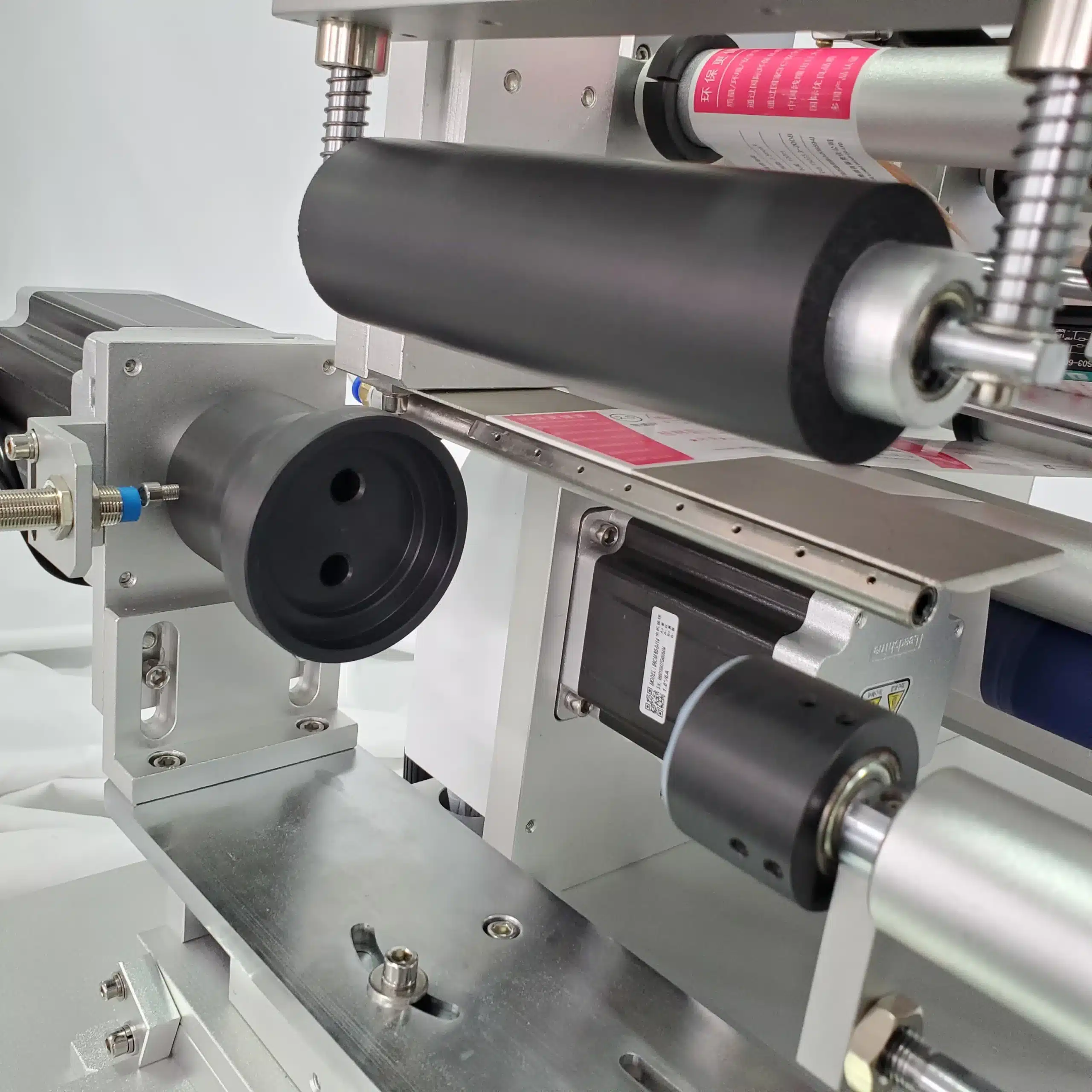
Wrap-around that survives square corners at benchtop scale: jam jars, sauce bottles, deli packs, 15–30 pcs/min with one operator.
Get Price →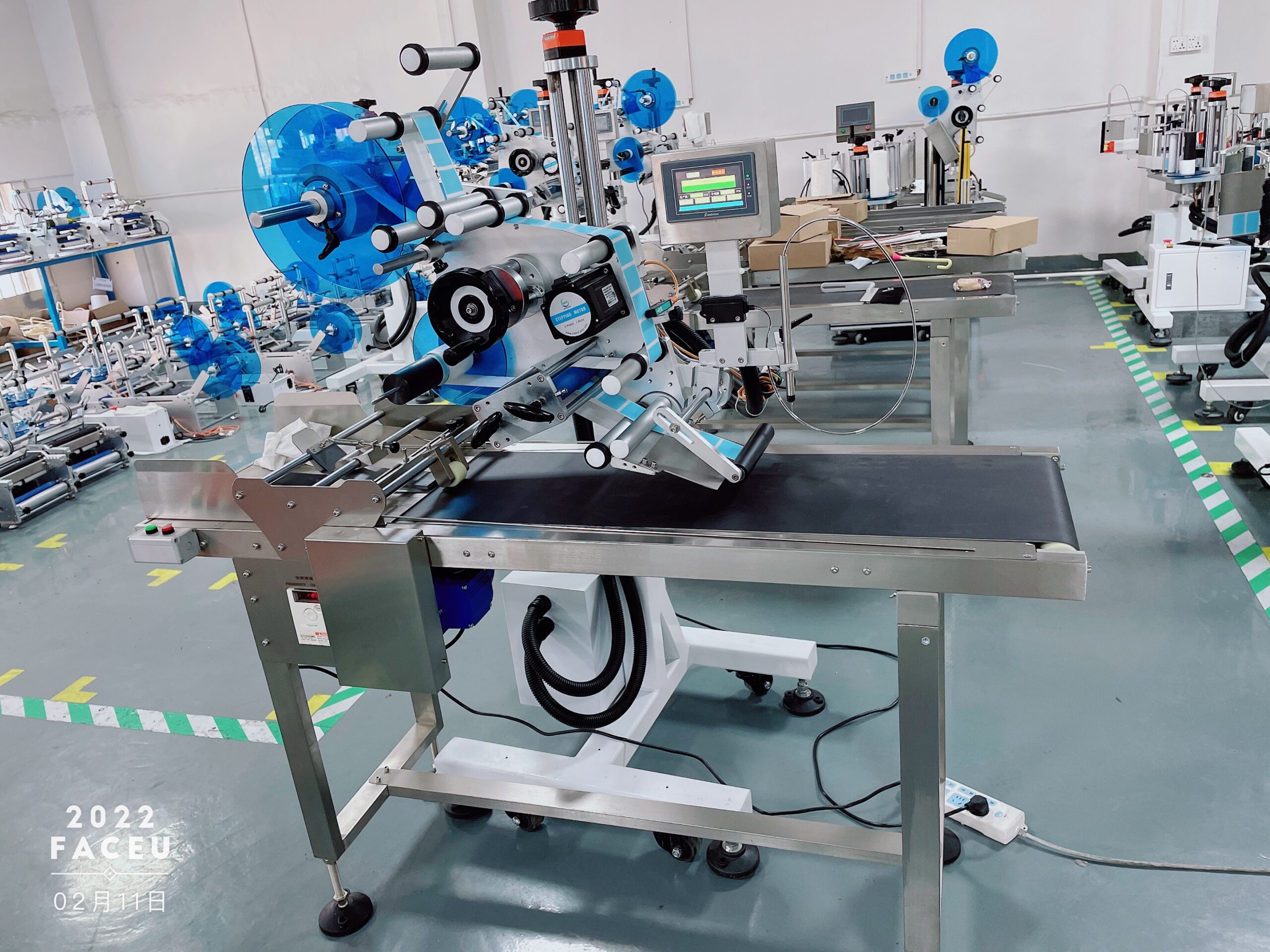
Friction-feeds pouches, mylar bags and cards flat, 40–120 pcs/min, ±1mm, the flexible-packaging answer.
Get Price →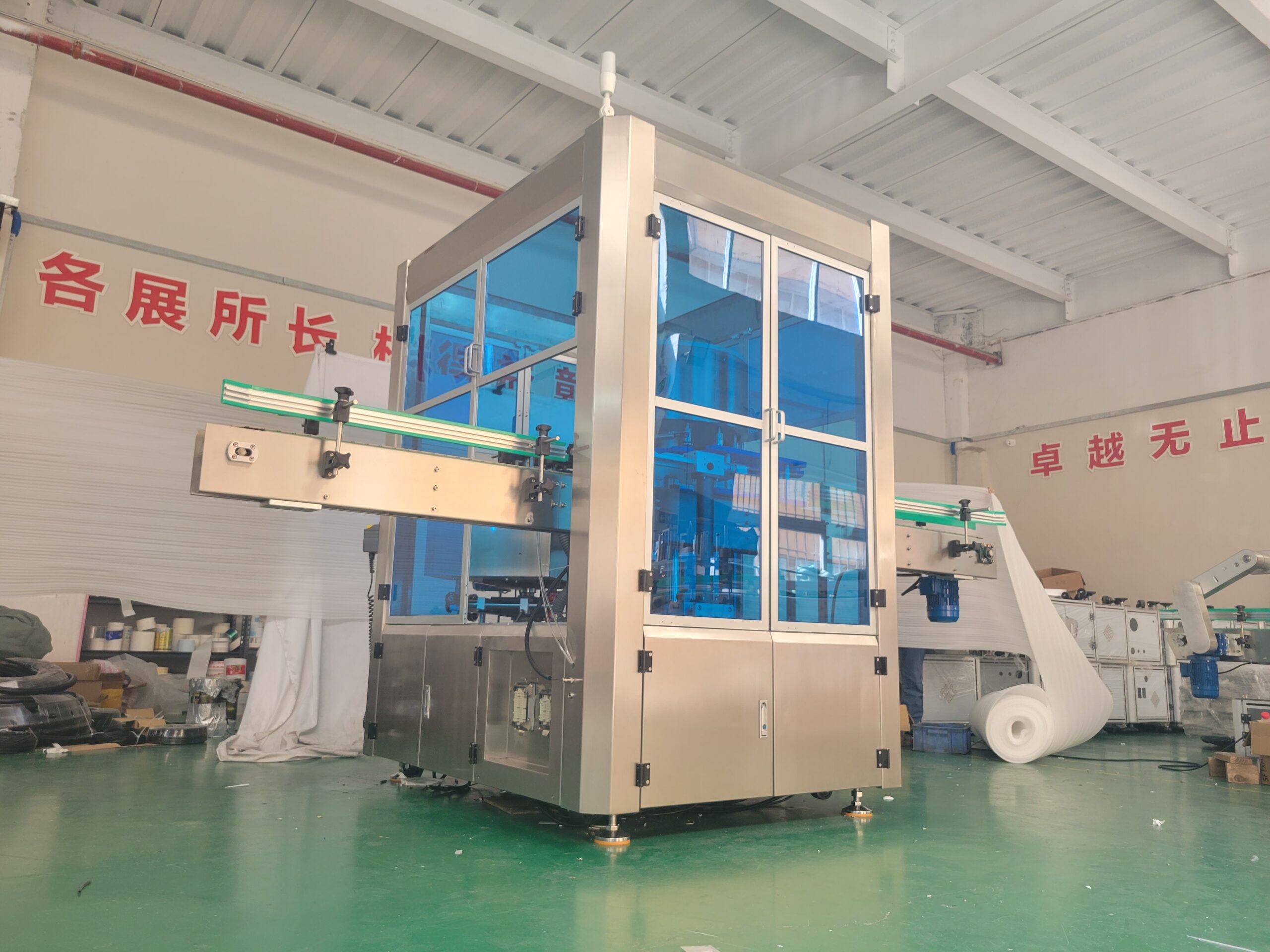
12,000–15,000 bottles/hour on OPP film labels: the cost-per-bottle step change for water, beer and daily-volume lines.
Get Price →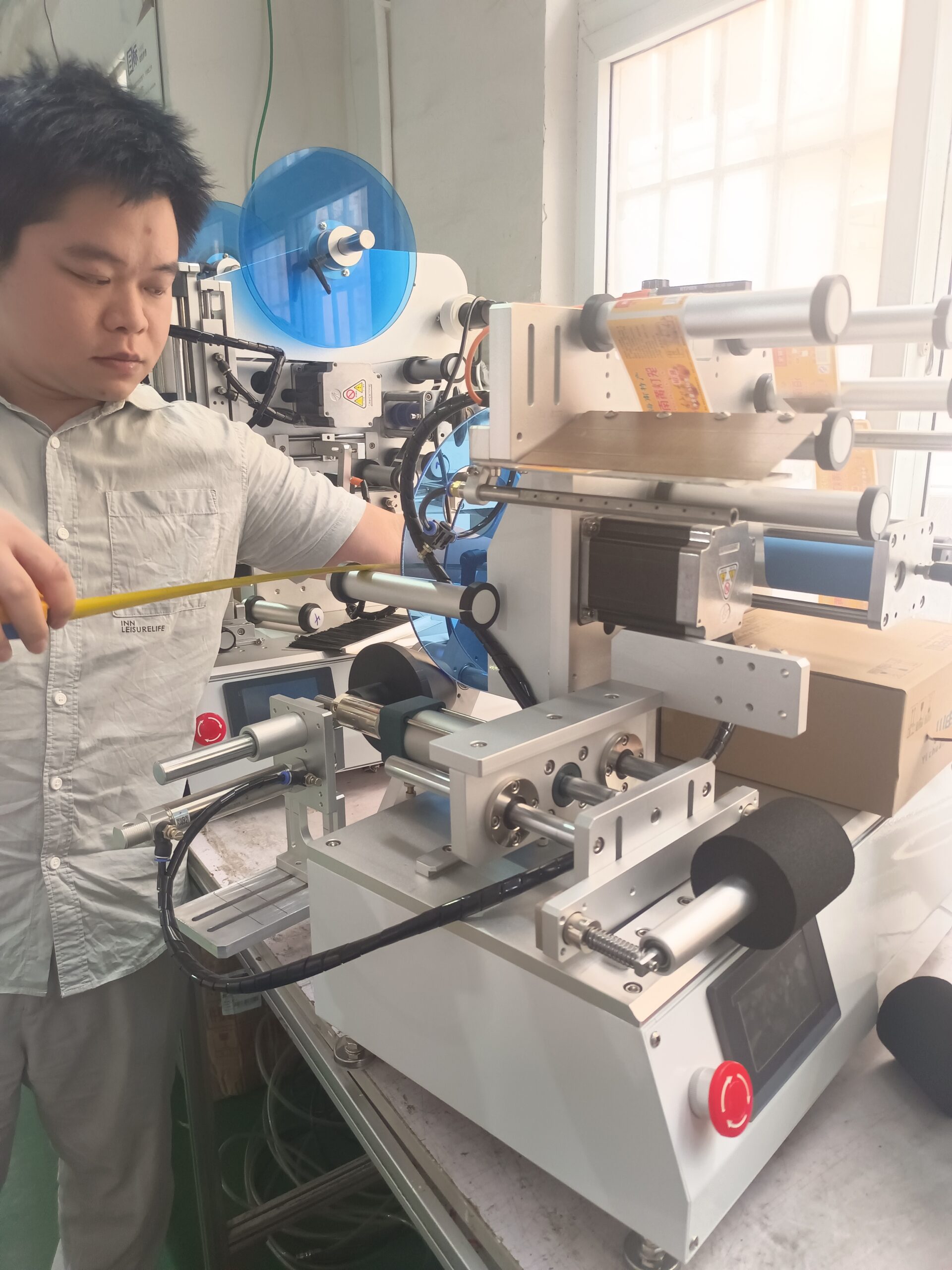
Curved shoulders, punts, odd tapers: that is custom-engineering territory. Send the jar; the fixture is the deliverable.
Get Price →Bags cannot roll, so they are fed, not conveyed. The page-fed platforms (T932 automatic, MT-211 desktop) friction-feed one bag at a time onto a flat belt, where the applicator presses the label onto the face with controlled pressure. Flat is the whole trick: a bag presented flat takes a panel label as cleanly as a carton.
Two material notes decide success. First, film stiffness: very soft films need lighter tamp pressure and label stocks with softer adhesives, which we match during the test run. Second, label-to-bag curvature: stand-up pouches bulge outward below the gusset; the label zone is the flat face above it, and artwork should respect that. Send actual bags with product inside if possible; filled bags behave differently from empty ones.
| Your daily volume | Machine class | Representative platform | Speed you get | Entry price |
|---|---|---|---|---|
| Under 300 units/day | Desktop semi-automatic | MT-50 / MT-60 / MT-130 | 15–30 pcs/min, one operator | From $600 |
| 300–1,000 units/day | Benchtop semi-automatic | T801 round · T805 square/flat | 15–30 pcs/min, ±0.5mm | From $600 |
| 1,000–3,000 units/day | Desktop automatic | MT-320 / MT-210 class | 20–40 pcs/min, hands-free | $1,500–4,000 |
| 3,000–10,000 units/day | Fully automatic inline | T921 wrap · T962 double side | 40–120 pcs/min, ±1mm | From $6,000 |
| 20,000+ units/day | Rotary hot melt line | 12-station OPP rotary | 12,000–15,000 BPH | From $25,000 |
A Russian food producer labels cans with paste glue: paper labels, wet glue, food-plant economics.
Curved-shoulder honey jars solved with an engineered fixture; archived under the customer’s file for repeat orders.
Tapered woozy geometry labeled inside the straight-wall zone.
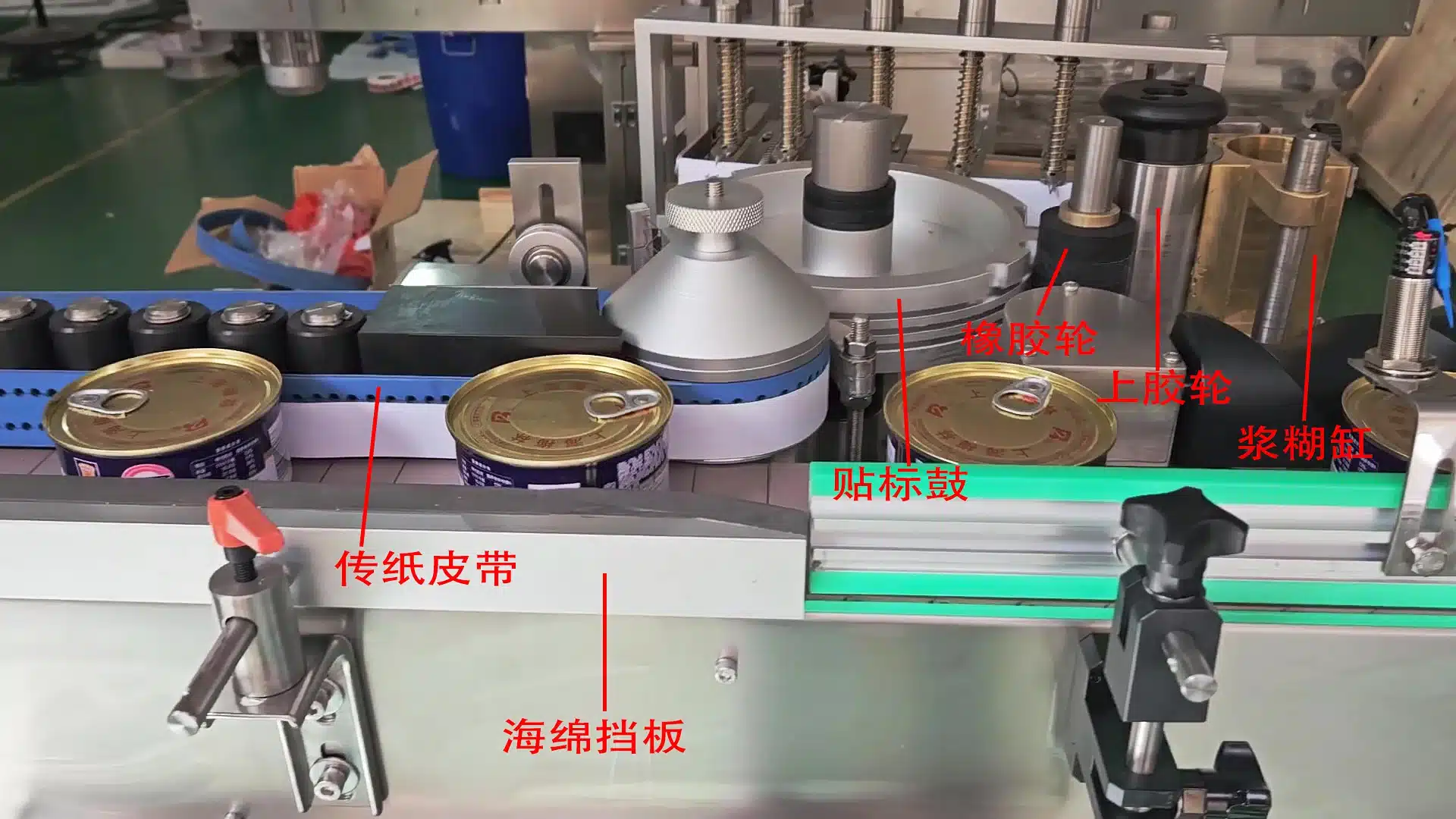
We run your actual containers at your target speed and send the footage within 48 hours; the same run becomes your FAT evidence: FAT & quality.
The T921 automatic wrap platform is the can answer: φ25–100mm wrap-around at 40–120 pcs/min, ±1mm. Below canning-line volume, the T801 benchtop covers the same geometry at 20–30 pcs/min. Compare platforms on the automatic series page.
The machine’s job is placement repeatability (±1mm inline, ±0.5mm benchtop), which keeps your net-content statement inside the bottom-30% PDP zone your artwork reserves for it, per 21 CFR 101.7. Label compliance itself is an artwork and regulatory matter; placement is engineering, and we prove it on video with your containers.
Yes: page-fed platforms (T932 automatic, MT-211 desktop) friction-feed bags flat and apply panel labels without crushing. Fill level and film stiffness change the setup, so send filled samples if you can. Details in the pouch section above and on the automatic series page.
Curved shoulders are custom-jig territory: the fixture presents each jar at a controlled angle so the label lives on the straight wall. We design the jig, prove it on video, and archive it under your file for repeat orders at no repeat engineering fee. Start at custom labeling solutions.
Below roughly 1,000 units a day the benchtop semi-automatic wins on cash; above ~3,000 the automatic pays for itself in operator hours. The honest way to decide is your own numbers: the upgrade & payback calculator walks the math, and the test video de-risks either path.
Condensation is a real engineering input, and we design for it, but the honest answer depends on your fill temperature, dwell time and label adhesive. Bottle-handling components can be specified for wet-surface duty [configuration to be confirmed by engineering against your line data]. Send your coldest-case bottle and we test it wet, on camera.