
Carton top labels (4″×6″)
Carrier label printed on demand and tamped onto the carton top as it passes; no operator-and-squeegee station.
Print and apply variable shipping labels on the fly; we engineer the applicator and the data path behind it.
Carrier label printed on demand and tamped onto the carton top as it passes; no operator-and-squeegee station.
Barcode on the presentation face so scanners read it the first time; side-apply heads mount over your existing conveyor.
Logistics labels that must read from two sides get wrapped around the pallet corner: a two-face label applied in one pass, SSCC-ready.
Page-fed platforms present each mailer flat and apply the panel label without wrinkles, the e-commerce parcel workhorse.
Seal application across the carton flap as the box closes: placement repeatable enough to trust, on camera.
Stacked or rolled waybills applied at packing-station pace: the T-180 / T-190 pair for operations not yet printing on the fly.
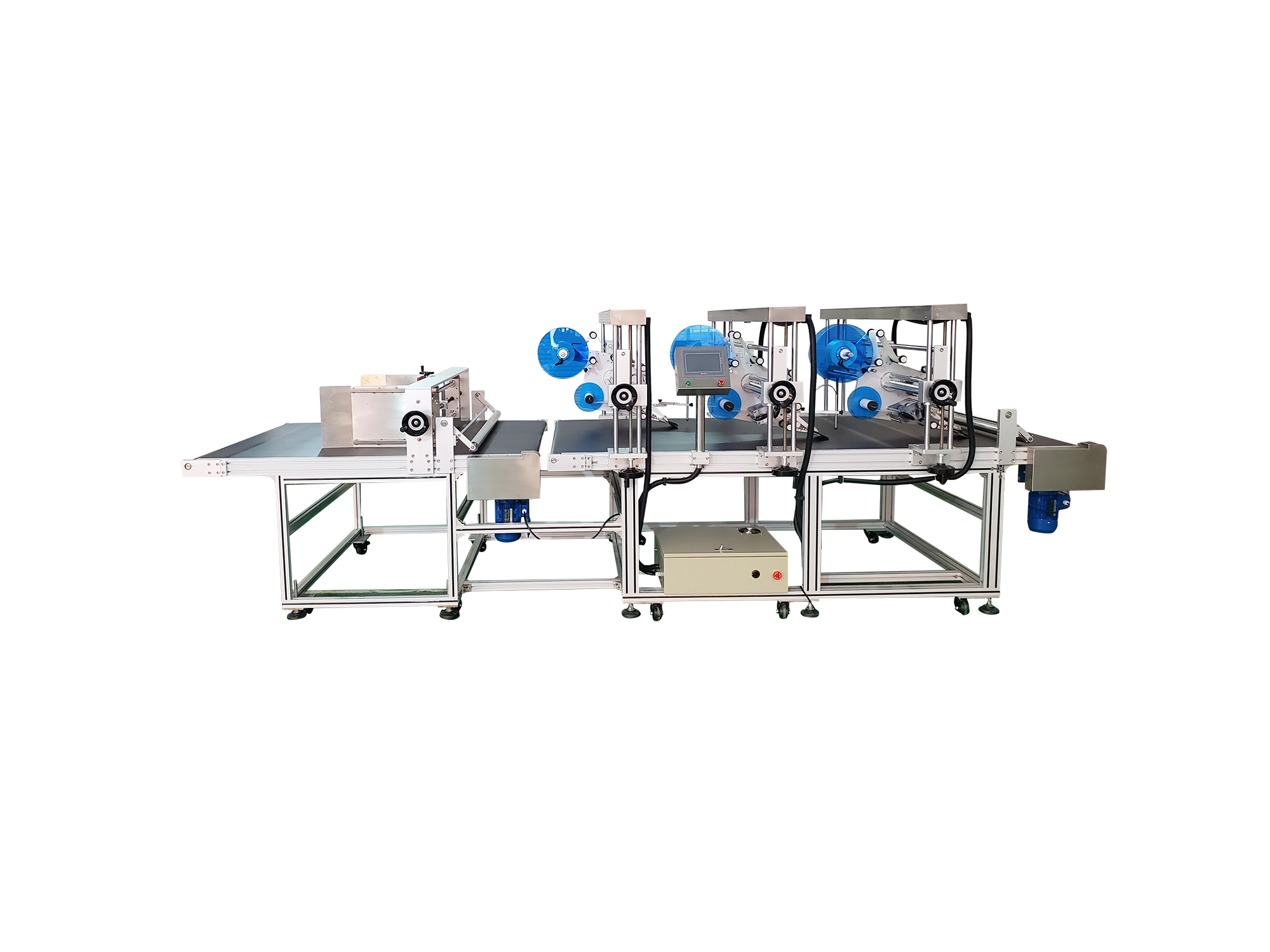
Carrier barcodes are unforgiving on three counts: the 4″×6″ thermal format is standard across major carriers, the barcode grade must scan on the first pass, and placement must keep the code flat, away from seams and edges; a print-and-apply station repeats what a hand-applied label drifts.
Multi-carrier software generates the label data; the applicator prints and applies it at line rate, with engine brands confirmed per project against your stack [engine brand support: to be confirmed]. Every avoided mislabel is a parcel that never re-circulates (a math exercise we run with your volumes before quoting).
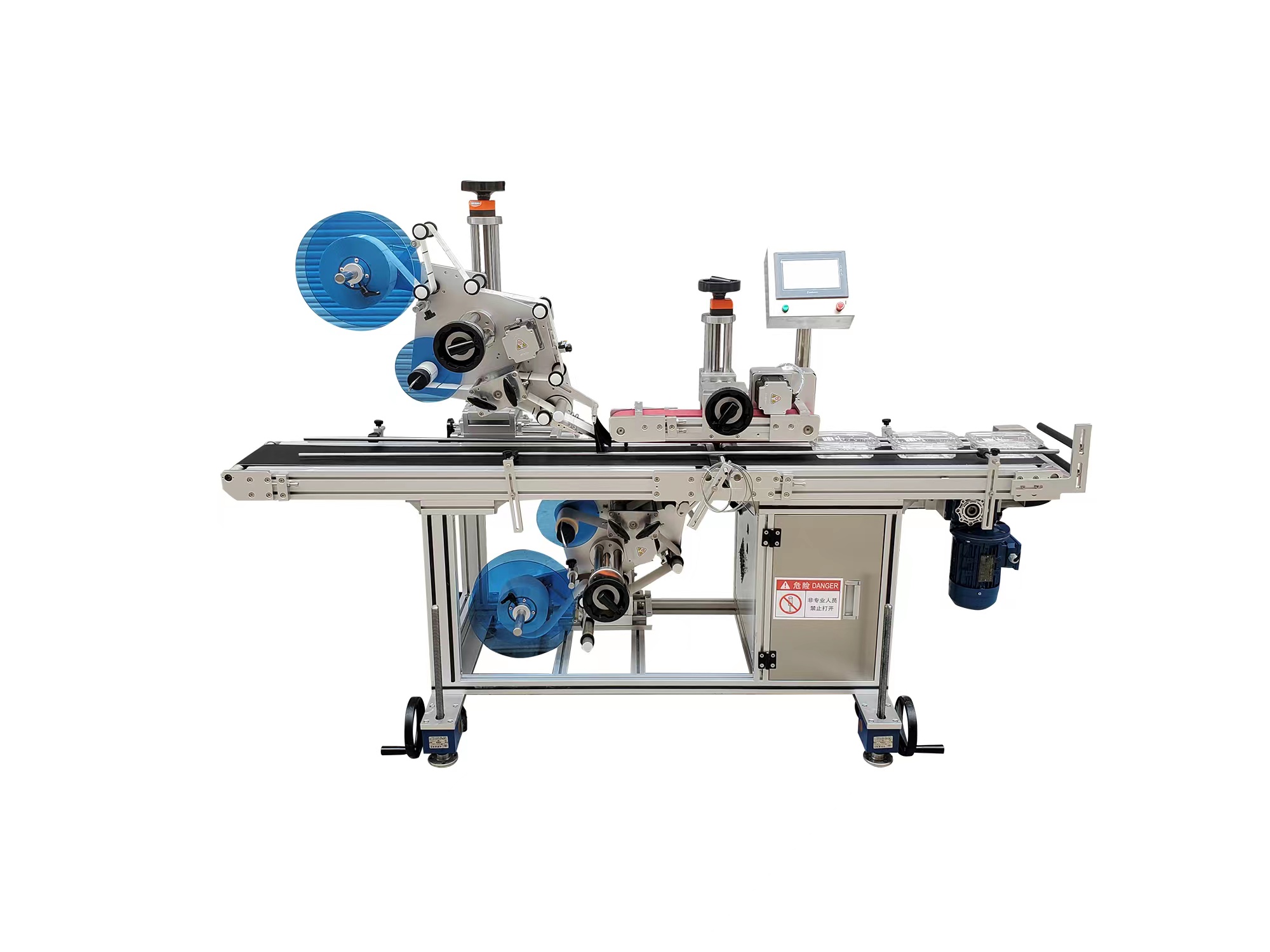
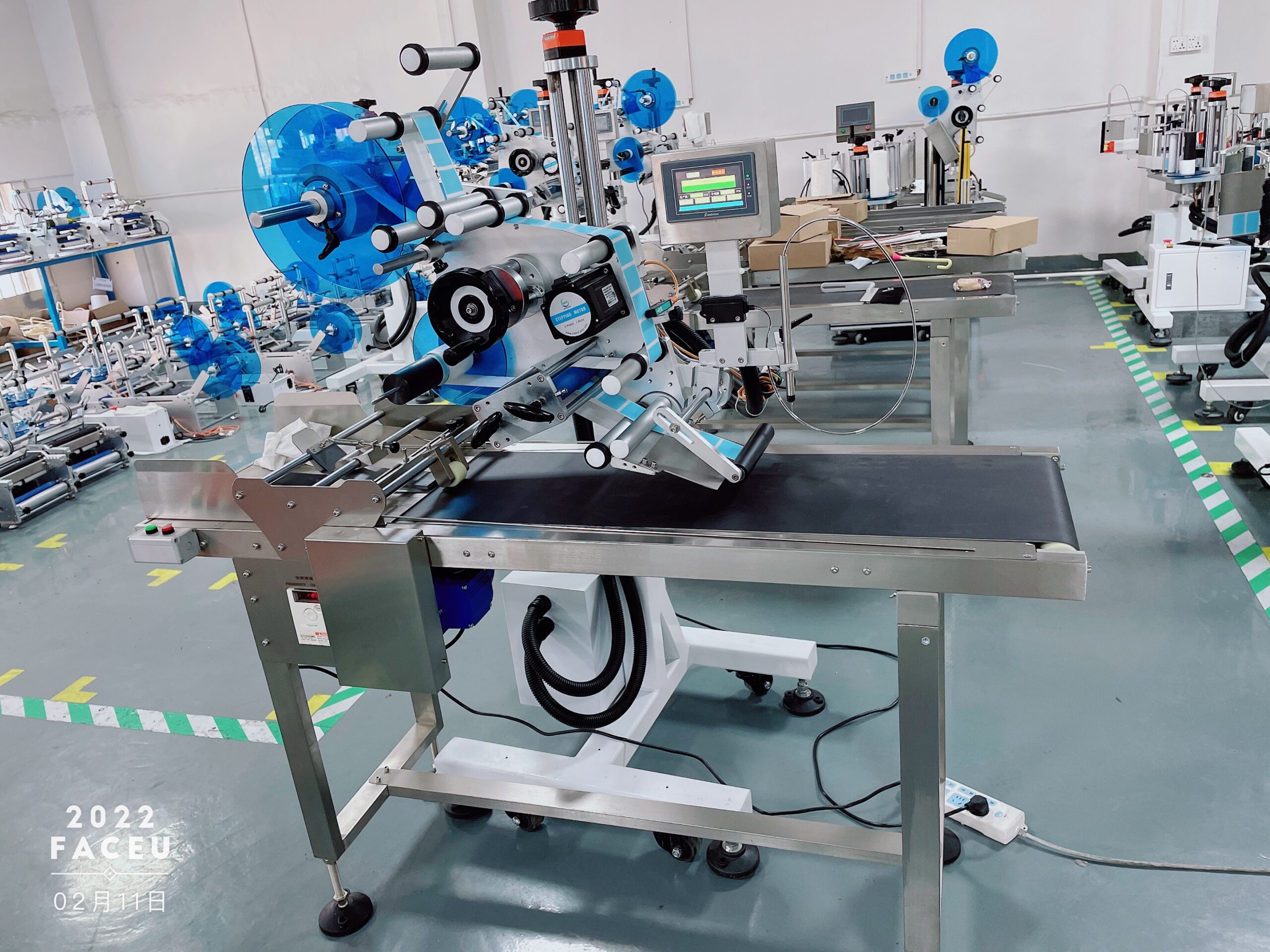
Prints variable data (carrier label, barcode, date) and applies it in one station. Flat and side application variants cover carton tops and case sides.
See PricingApplies pre-printed waybills from stacked stock at packing-station pace; the step up from hand-applying every parcel label.
See PricingSame job, rolled stock: higher capacity between refills, matched to your label supplier’s format.
See Pricing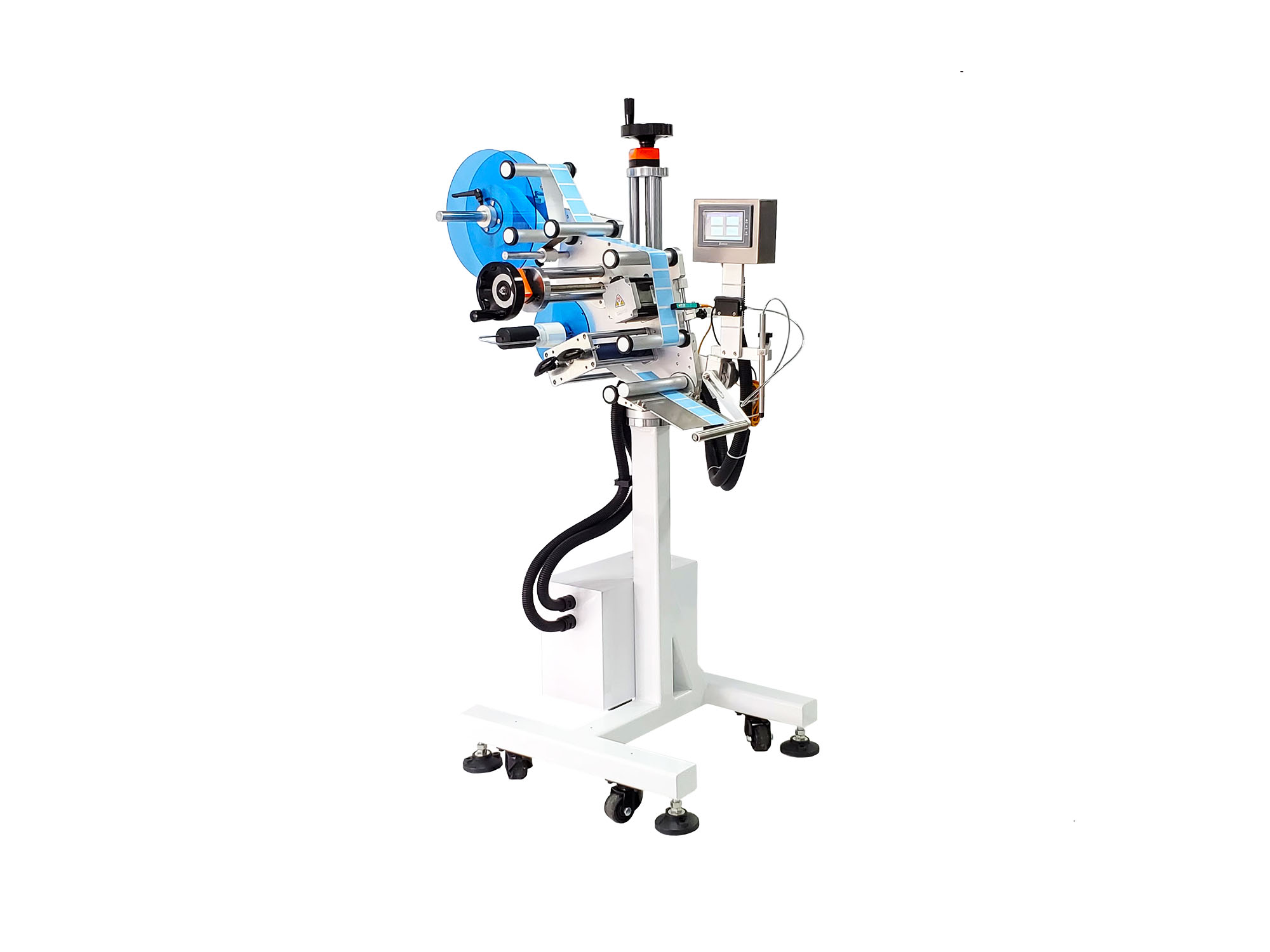
When barcodes arrive pre-printed on rolls, the heads apply them at line rate over your existing conveyor: integration, not replacement.
See PricingA print-and-apply system is only as good as its data path. Three layers decide whether it runs or gets bypassed by frustrated operators: trigger: what fires the print (scale weight, barcode scan, or direct WMS API call [interface scope confirmed per project]); template management: carrier templates and formats versioned so the label that prints is the label the carrier expects; and failure logic: what happens on a misread or print fault: reprint in place, reject to a manual lane, or line-stop alert. We design the failure path as carefully as the happy path, because at fulfillment volumes the failure path is the uptime.
On the hardware side, “no jams, no double-feeds” is a timing discipline: printer-and-applicator takt matched to conveyor speed, sensor thresholds tuned to your label stock. That tuning is exactly what the FAT run with your cartons and label rolls is for.
| Factor | Pre-printed stock + hand apply | Print & apply on the fly |
|---|---|---|
| Label inventory | Forecast-dependent; carrier-template reprints when rates/shapes change | Zero label stock: blank thermal rolls only |
| Mislabel risk | Wrong stock on the right box (a silent, expensive error) | Data-driven: right label follows the right carton |
| Labor | An operator peeling and placing every label | Unattended at the conveyor |
| Variable data | Impossible: order/date/barcode must be pre-printed | Native: every label unique |
| Hardware outlay | None | From $6,000 + engine, amortized by labor saved |
| Best fit | Very low, stable volume | Any real fulfillment operation |
Ship cartons, label rolls and (if possible) a sample data file; the FAT runs your stack end to end: FAT & quality.
Yes. The FT-600 exists for exactly this: variable data printed in real time and applied at conveyor pace, with the trigger sourced from a scan, a scale, or a WMS API call [interface scope confirmed per project]. Template management keeps carrier formats versioned. Integration detail on the print & apply page.
Engine compatibility is confirmed per project against your stack; we do not publish a brand list until it is verified with your label stock and data path. Industrial thermal-transfer engines are the category standard and the biggest price variable; supported-brands status: [to be confirmed by the factory]. Ask with your inquiry and we verify before quoting.
Tamp-blow suits the carton top when the carton stops or moves steadily; corner-wrap is for labels that must read on two faces, pallet SSCC being the classic case. The deciding factors are surface, conveyor behavior and scan orientation. We evaluate all three from photos and line data before proposing hardware, per the applicator & heads overview.
Print-and-apply throughput is set by conveyor speed and print engine takt, not the applicator alone, so the honest number comes from your line rate and label complexity. For pre-printed roll application, the T951 heads run 40–120 pcs/min as a reference point. We quote throughput against your measured line data after evaluation.
Yes. That is the standard FAT here: your cartons, your label rolls, and where applicable a sample data file, run end to end on video before the balance is due. The same footage becomes your acceptance evidence. Book it through the quote & test-run form.