
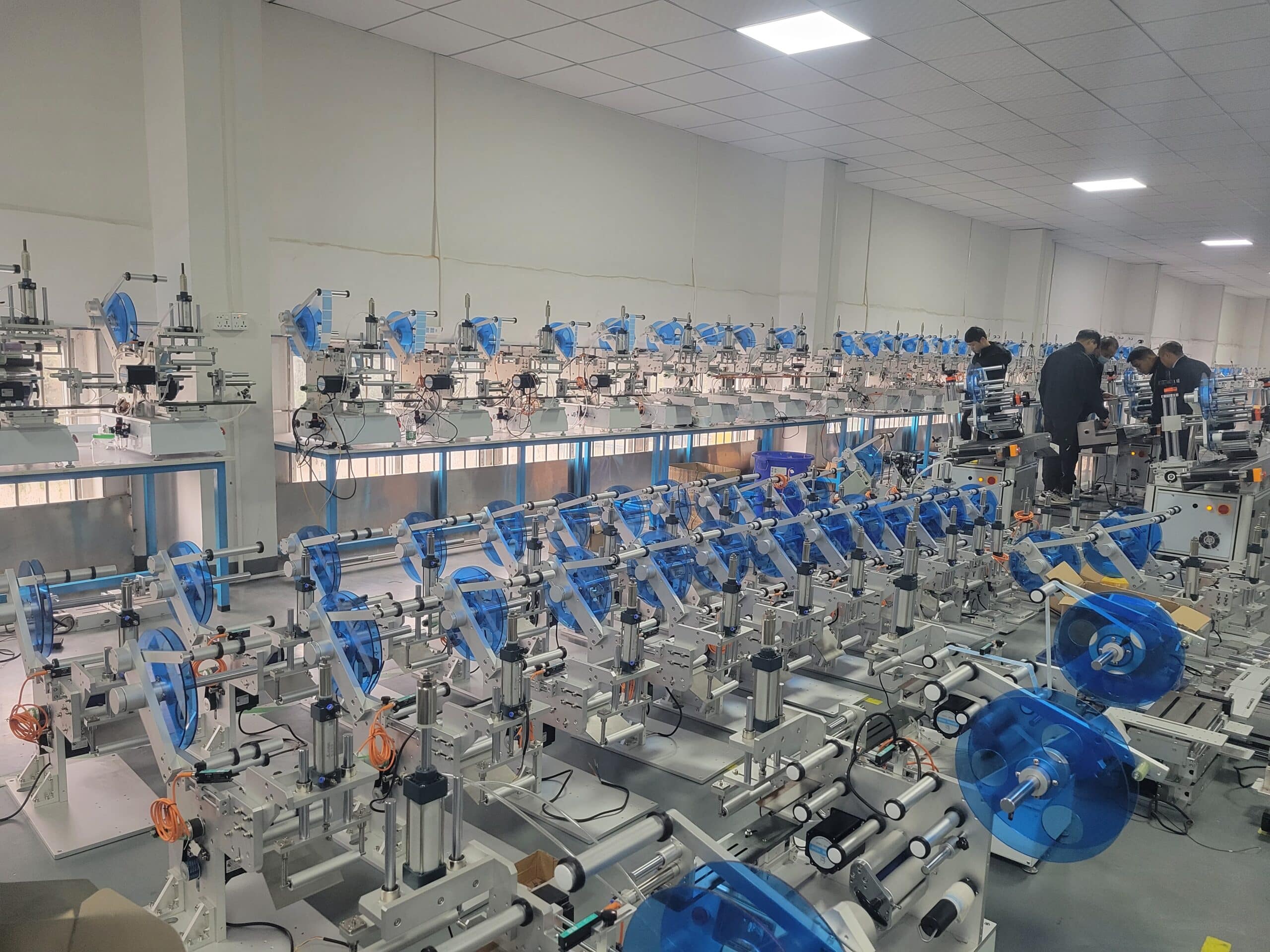
The Real Cost per Label
Labels and ribbon bought blank, printed only when needed.
Barcodes, batch/date coding, shipping labels and serialization, applied at production speed, no pre-printed stock.
Two machines married by timing: one prints, one places; the trigger is where systems are won or lost.
Thermal transfer prints durable, scannable barcodes with ribbon, the choice for cartons that travel and get scanned for months. Direct thermal prints without ribbon: cheaper per label, right for shipping labels whose life is measured in days.
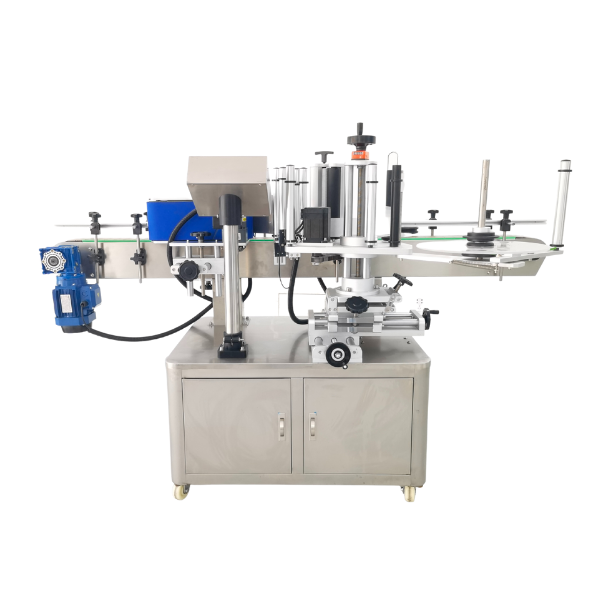
The printed label is peeled and presented (tamped, tamp-blown or wiped) onto the passing product. Flat and side variants cover top-of-box and case-flank placement; the applicator side is exactly our labeling head platform.
What gets printed comes from somewhere: WMS or ERP data, a weight from the scale, a scan event, or a batch/date field entered at the line. The trigger timing (print-complete before the product arrives) is our core “no jams, no re-labels” discipline.
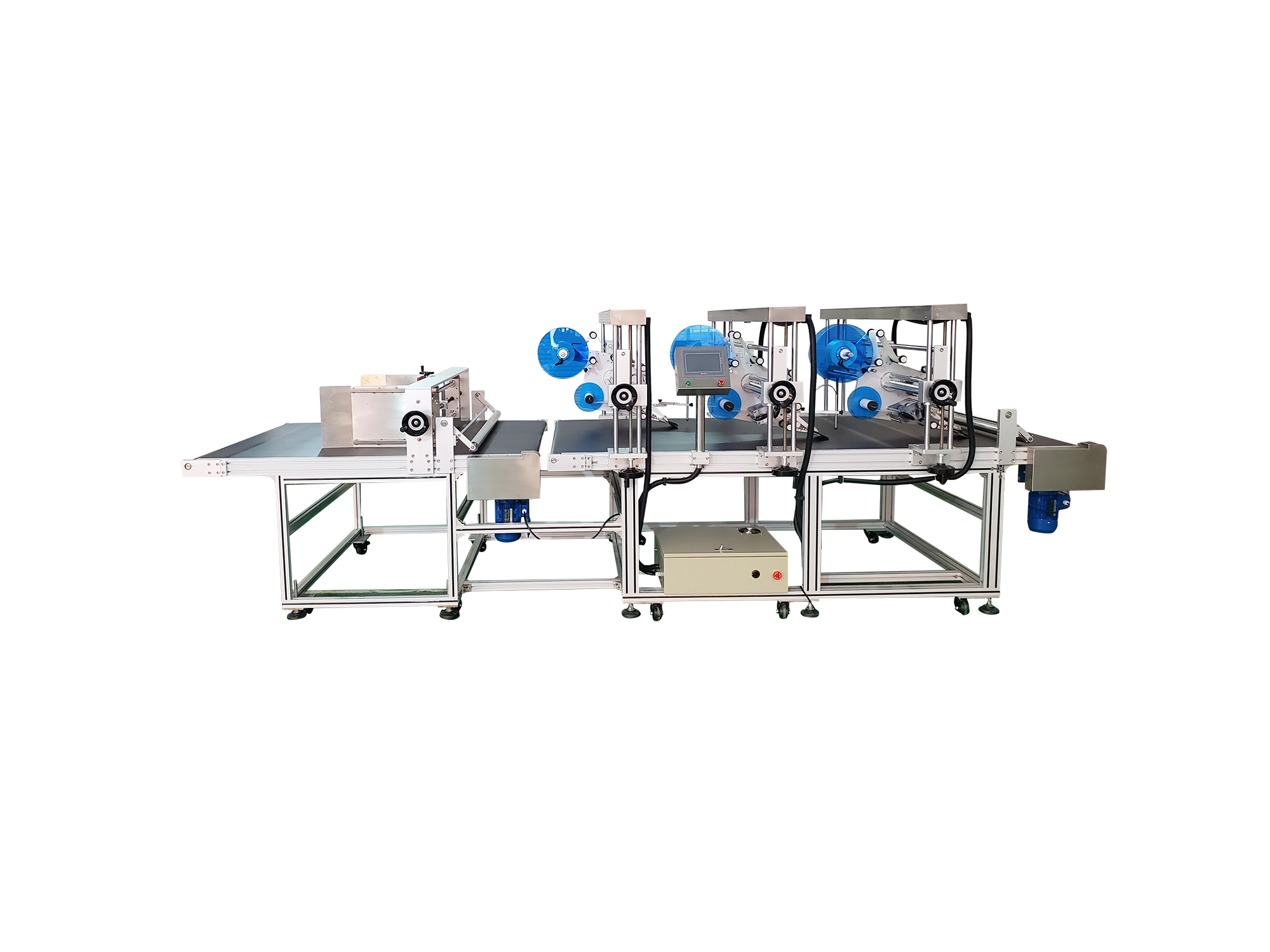
Same print engines, different ways of putting the label down. Match the method to the surface.
| Method | Motion | Best for | Watch out for | Video |
|---|---|---|---|---|
| Tamp | Pad presses label onto stopped or indexed product | Cartons, cases, flat panels | Needs product stability at contact | Video [TBC] |
| Tamp-blow | Pad presents, air transfers without contact | Delicate surfaces, slightly irregular targets | Requires clean, dry air supply | Video [TBC] |
| Air-blow | Air carries label from peel edge to product | Fragile or recessed targets | Least registration control of the three | Video [TBC] |
| Wipe-on | Label brushed onto product as it passes | Continuous, evenly spaced conveyor flow | Depends on consistent product spacing | Video [TBC] |
These methods are demonstrated in the video strip below. Or request a run on your own product and label stock: video library.
The workhorse of e-commerce and 3PL outbound: carrier-compliant thermal labels printed from WMS data and applied to the top or side of every parcel: no operator peeling, no misaligned labels, no carriers rejecting illegible barcodes. Dedicated hardware for the same job at bench scale: the T-180/T-190 shipping labelers below.
Food, cosmetics and chemical lines print batch, date and GTIN barcodes directly at the case packer. One pass replaces pre-printed labels plus a separate date coder, and eliminates the classic mismatch of “label says one batch, box says another”.
SSCC pallet plates and corner-wrap shipping marks applied at the stretch wrapper, placed where scanners can actually read them.
Unit-level unique IDs change every label. Print & apply is the only labeling architecture that handles “every label different” without re-printing stock, the foundation for pharma serialization programs and retail EPC mandates.
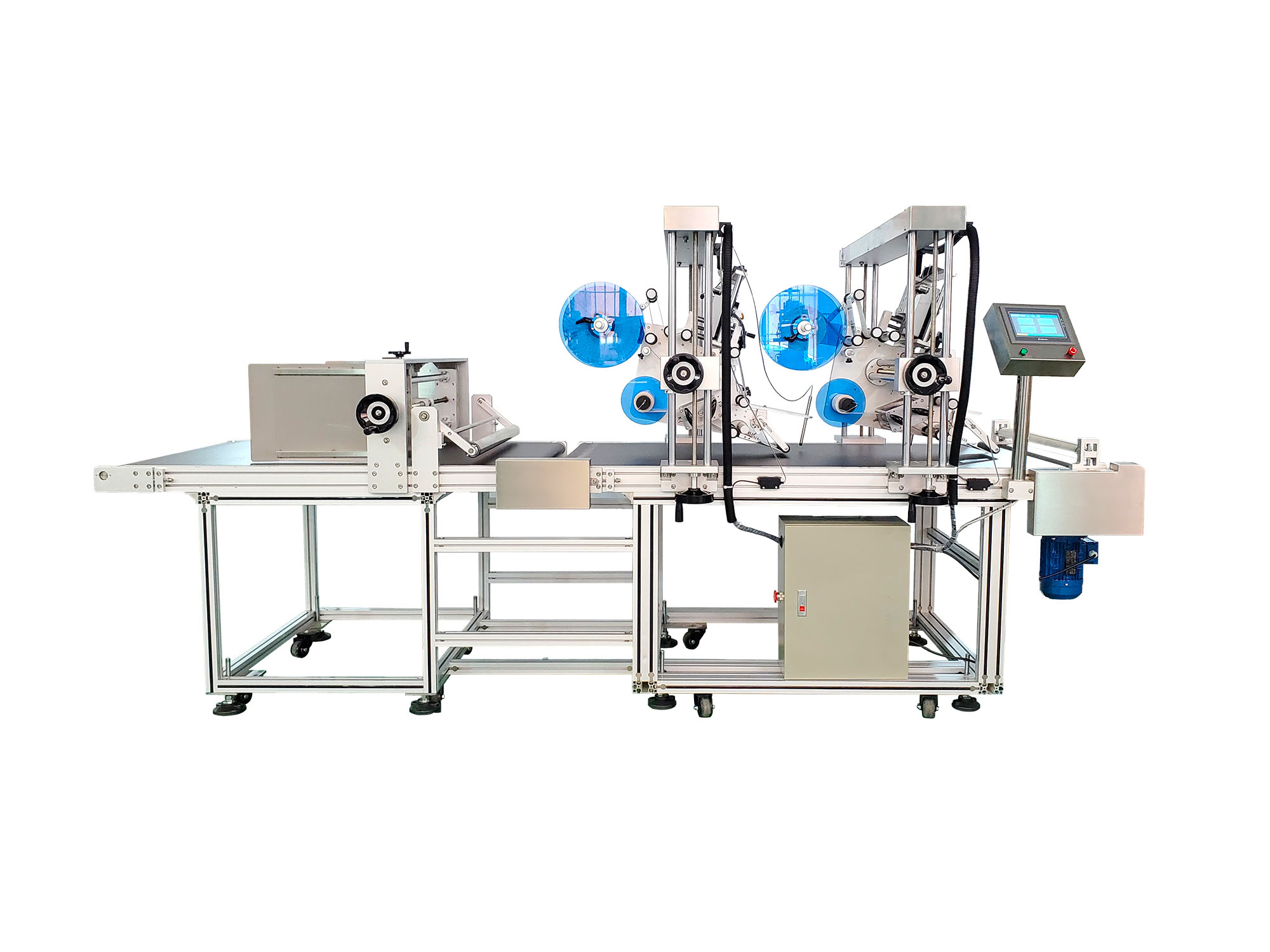
Print-and-apply in an outbound staging lane: labels generated by the WMS, applied at conveyor speed.
Pre-printed labels look cheaper until you count everything around them: minimum-order quantities per SKU, stock that expires with every batch number, changeover labor when SKUs rotate, and the write-off when a regulation or design changes. Print & apply shifts that cost from purchasing to consumables: labels and ribbon bought blank, printed only when needed.
The crossover point depends on SKU count, batch turnover and design-change frequency, not on label price alone. Bring your current pre-print spend and SKU list; we build the per-label comparison with you. For the adjacent decision (hot melt OPP versus pressure-sensitive at beverage volume), see the hot melt vs pressure-sensitive TCO guide.
| Cost factor | Pre-printed labels | Print & apply |
|---|---|---|
| Label unit price | Lower (volume printed) | Blank stock + ribbon [TBC per spec] |
| Stock & obsolescence | Per-SKU inventory, expires with batch codes | None: printed on demand |
| SKU changeover | Fetch new roll per SKU | None: data switches the template |
| Design / regulation change | Printed stock becomes waste | Template edit only |
Labels and ribbon bought blank, printed only when needed.
FT-600 detailed parameters are being finalized with the factory. Unconfirmed figures are marked [TBC].
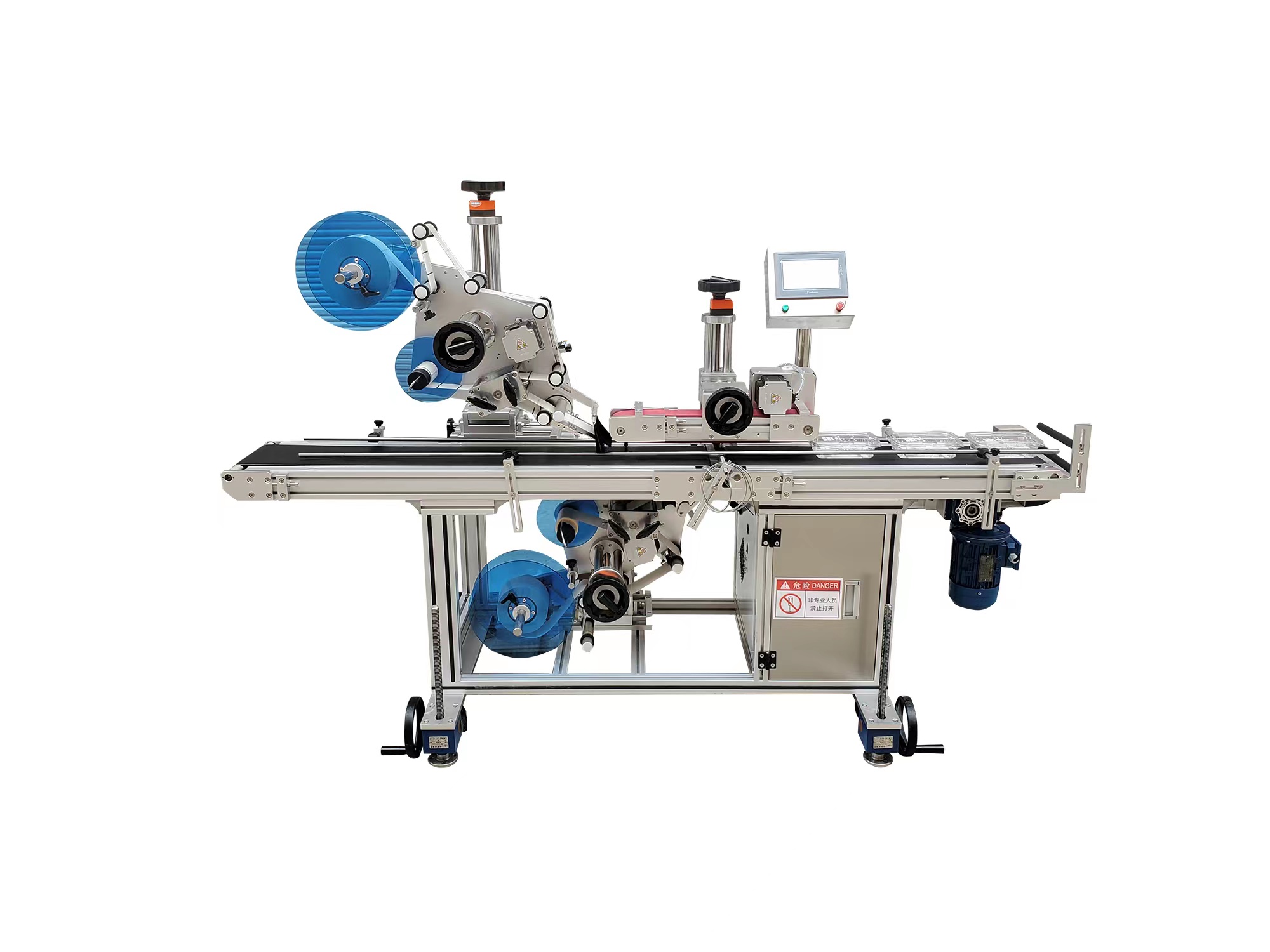
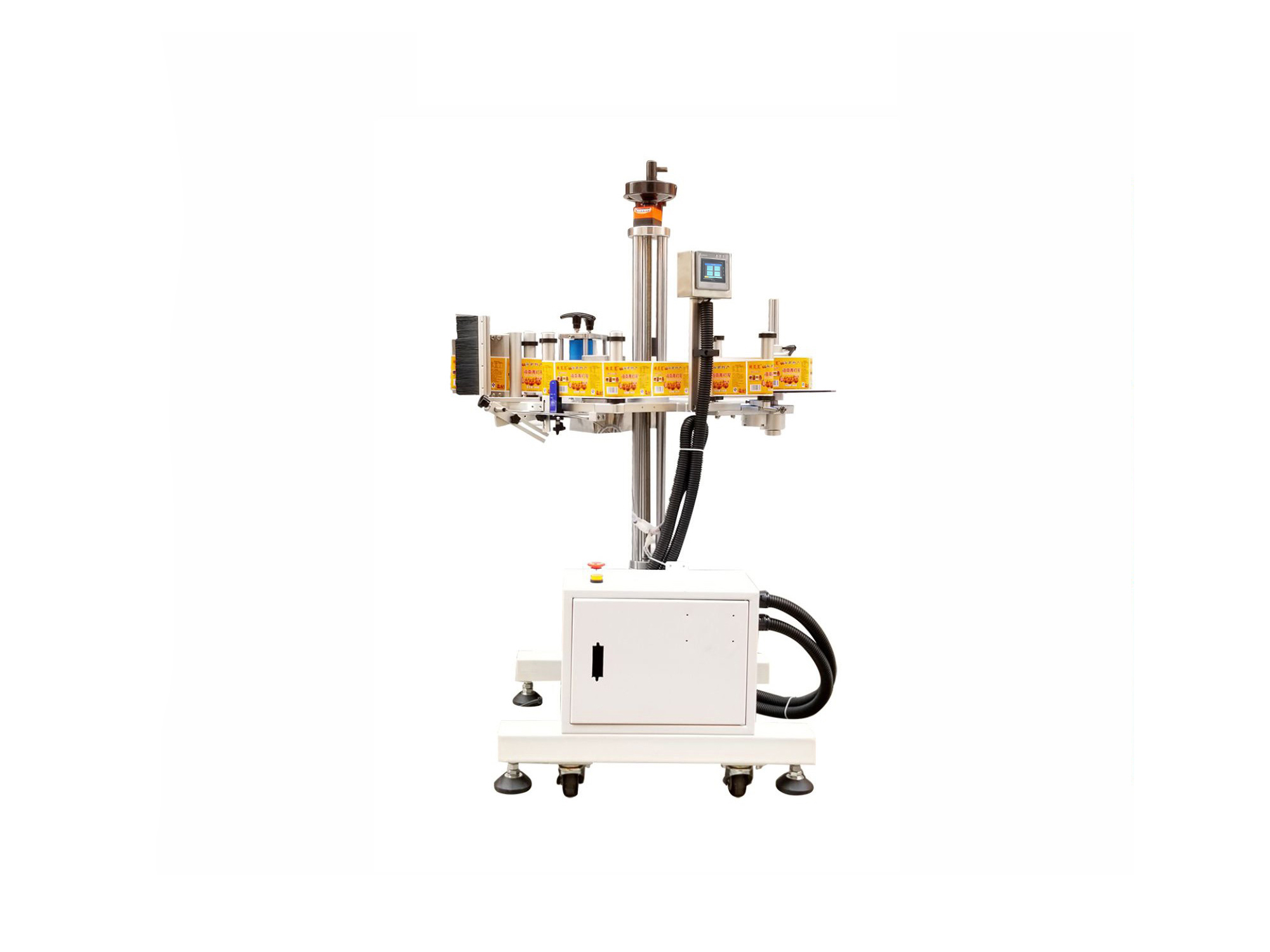
Prints date, barcode and variable data in real time and applies in the same pass (flat and side variants).
Applies courier shipping labels from stacked (fanfold) stock, bench-scale dispatch stations.
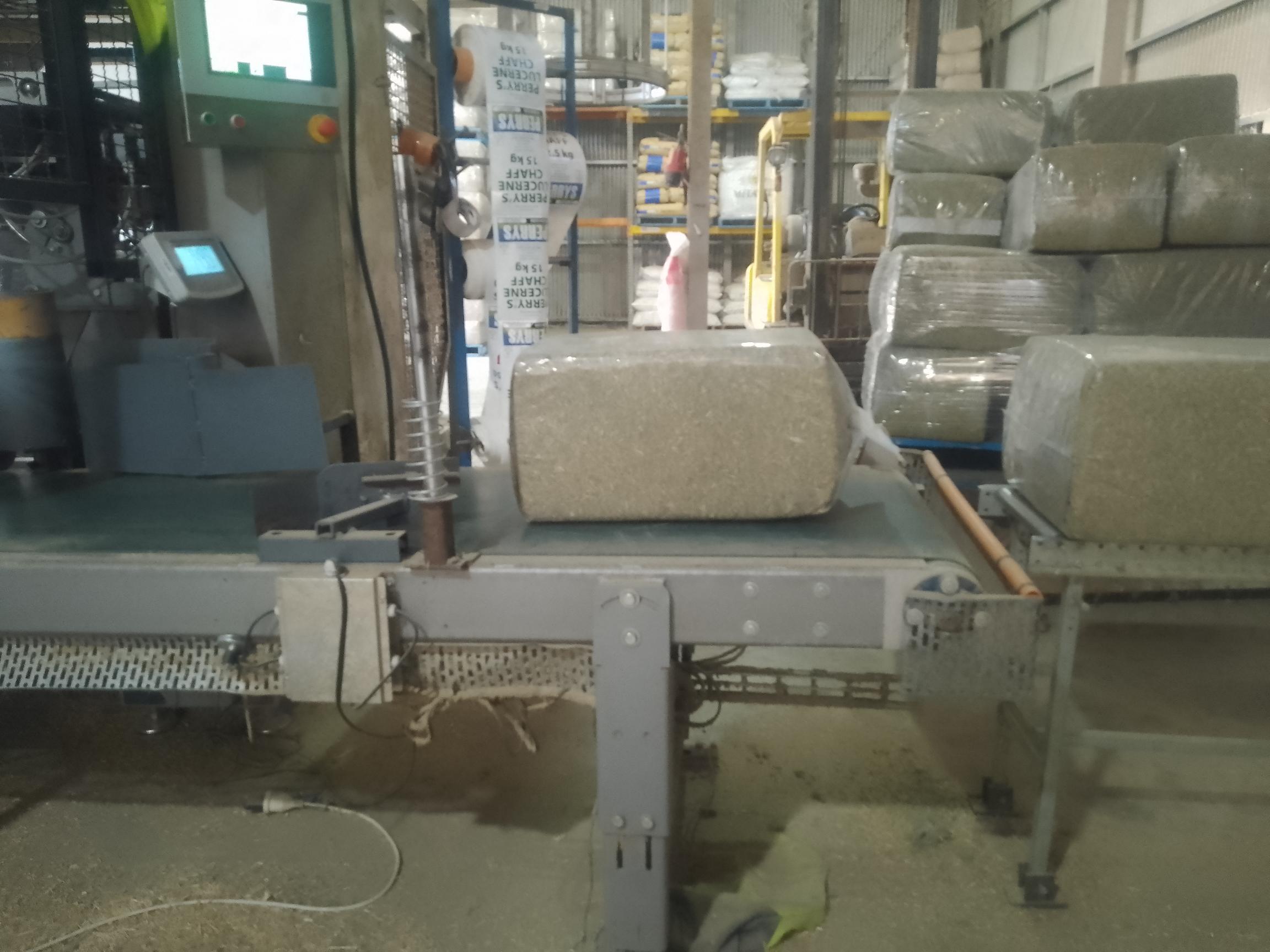
Same courier-label duty on 76mm-core roll stock, the format most warehouse printers already use.
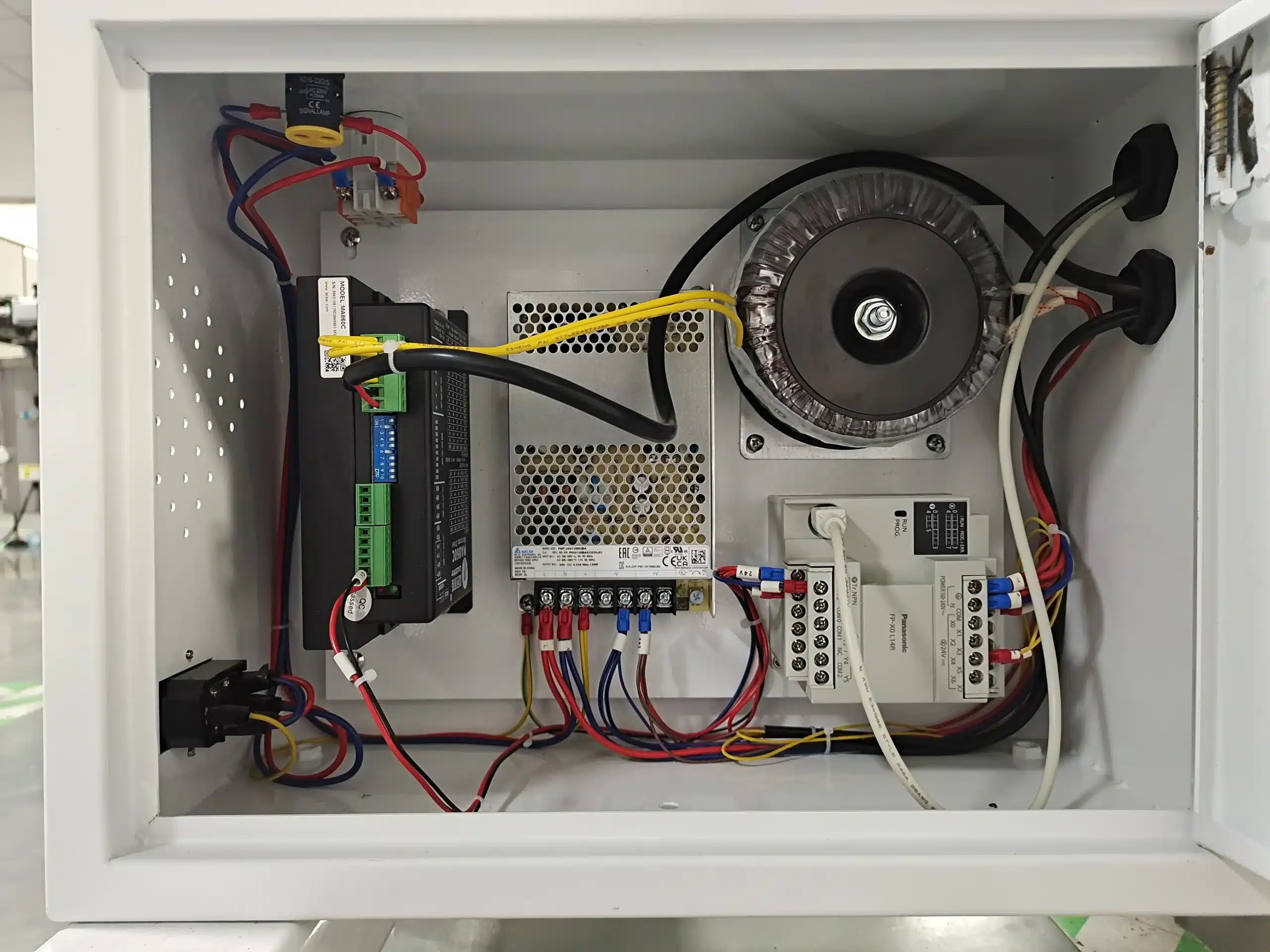
Our line heads paired with a print engine for integrators building their own P&A stations: components documented, controls open.
The applicator is the easy half. The integration half is deciding where the data comes from and what triggers the print: WMS or ERP feeding the label template, a scale or scanner triggering on product presence, and template management so new SKUs are a data entry, not a machine adjustment.
For multi-carrier outbound, the label template set must match each carrier’s requirements: thermal, 4″×6″, scannable at their sortation speed. Print engine brand support is being finalized with the factory [TBC]. Name your WMS and carrier mix at inquiry and we confirm the interface path before quoting.
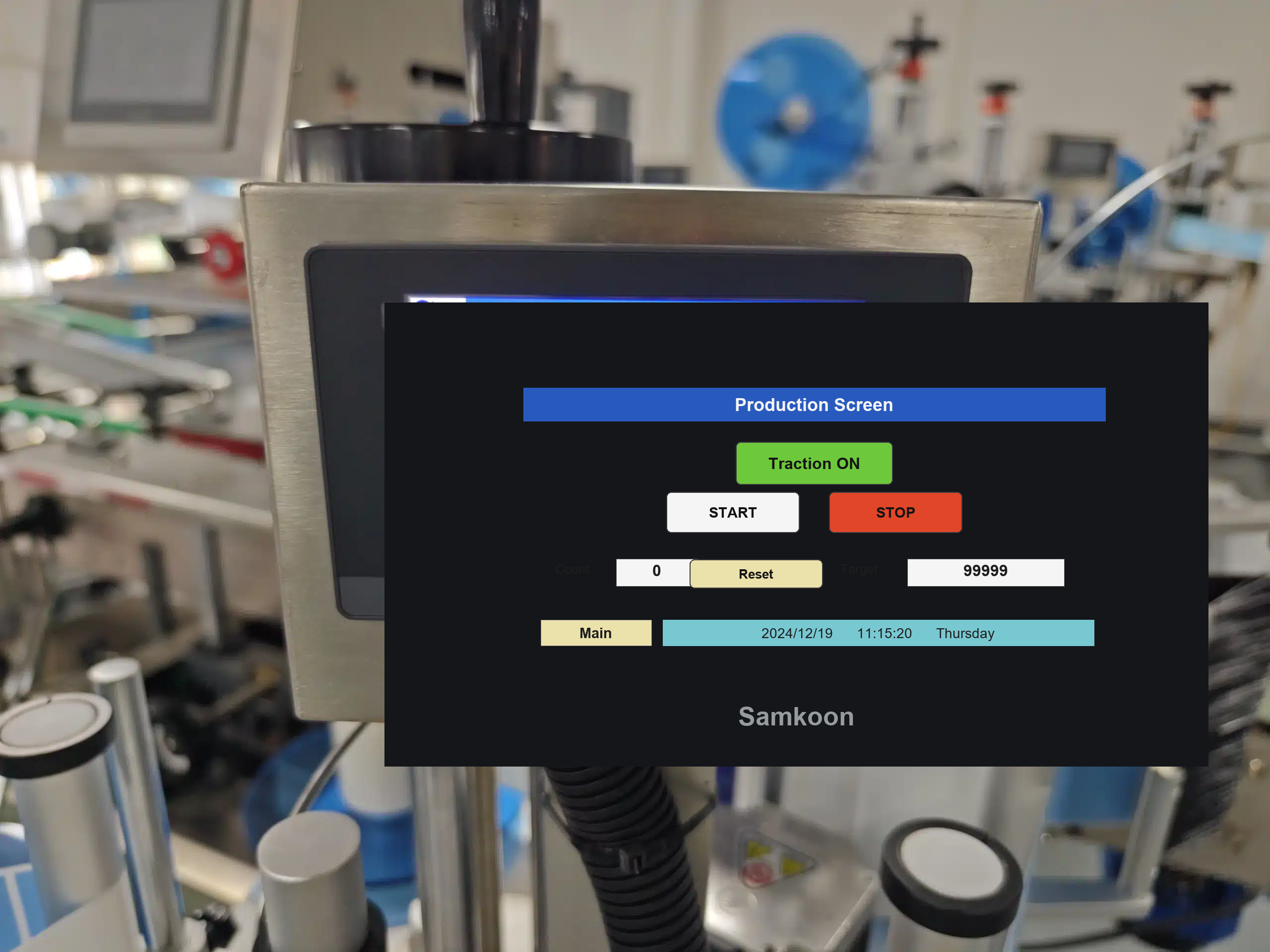
WMS/ERP → template → print engine → trigger from scale or scanner → applicator. One handshake, documented.

Outbound shipping labels and carrier compliance: the fastest-growing P&A segment; industry analyses put e-commerce logistics growth near 13.7% CAGR. E-commerce & logistics →
Batch/date coding at the case packer, variable-data traceability from line to pallet. Food & beverage →
Serialization-ready unit labeling for track-and-trace programs (DSCSA-style compliance hooks). Pharma & lab →
GHS-consistent hazard panels with batch data printed at application time. Chemical & industrial →
Print & apply systems start from $6,000 and typically range to $15,000 depending on print engine, applicator method and integration depth: the engine brand is the biggest variable. Every system runs a full FAT on your products and label stock before the balance is due.
Your SKUs, your templates, your trigger logic, filmed at target speed before shipment.
From $6,000 with typical builds to $15,000. The print engine brand, applicator method and integration depth are the big variables. A configured quote follows the engineering evaluation of your data path and products.
The supported-engine list (thermal transfer and direct thermal brands) is being finalized with the factory [TBC]. Name the engine brand you standardize on at inquiry. We confirm compatibility as part of the engineering evaluation before quoting.
Yes, in principle: the system prints from data (WMS/ERP feeds, scale weights or scanner triggers) and the label template is driven by that data rather than by pre-printed stock. We scope the exact interface (template source, trigger, handshake) during engineering evaluation, then prove it in the FAT run.
Wipe-on for evenly spaced cases on a steady conveyor. It is the fastest and simplest. Tamp-blow when case spacing is irregular or the flank is slightly warped: the air transfer makes contact forgiving without sacrificing placement. We test both on your actual corrugate before choosing.
Resolution and throughput depend on the chosen print engine and the applicator cycle; detailed figures are being finalized with the factory [TBC]. Bring your barcode grade requirement (e.g., verifiable shipping barcodes) and target rate. The FAT run measures both on your labels.
Yes, that is the standard trigger pattern for batch and date coding: product presence from a sensor, data from the line (scale, scanner or manual entry), print-then-apply timed so the label lands on the right product. The “no jams, no re-labels” timing discipline is exactly what we demonstrate on video.
Print & apply is the architecture serialization requires: every label carries a unique ID, so nothing can be pre-printed. Data must be printed at application time. Our systems support variable-data-per-label flows for track-and-trace programs; compliance scope is confirmed with you during project evaluation. See pharma & lab.