
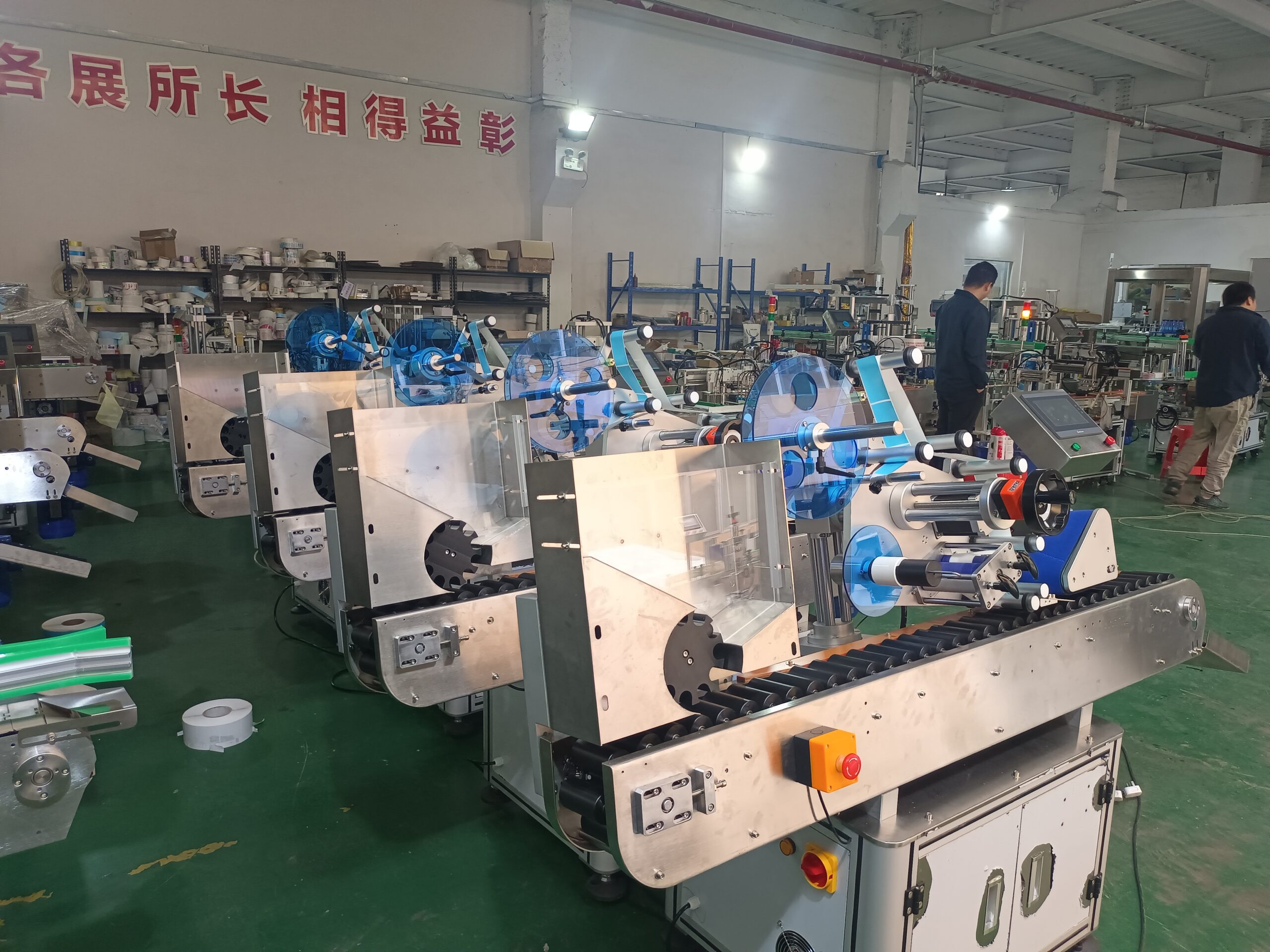
T923 · Horizontal Small Bottle
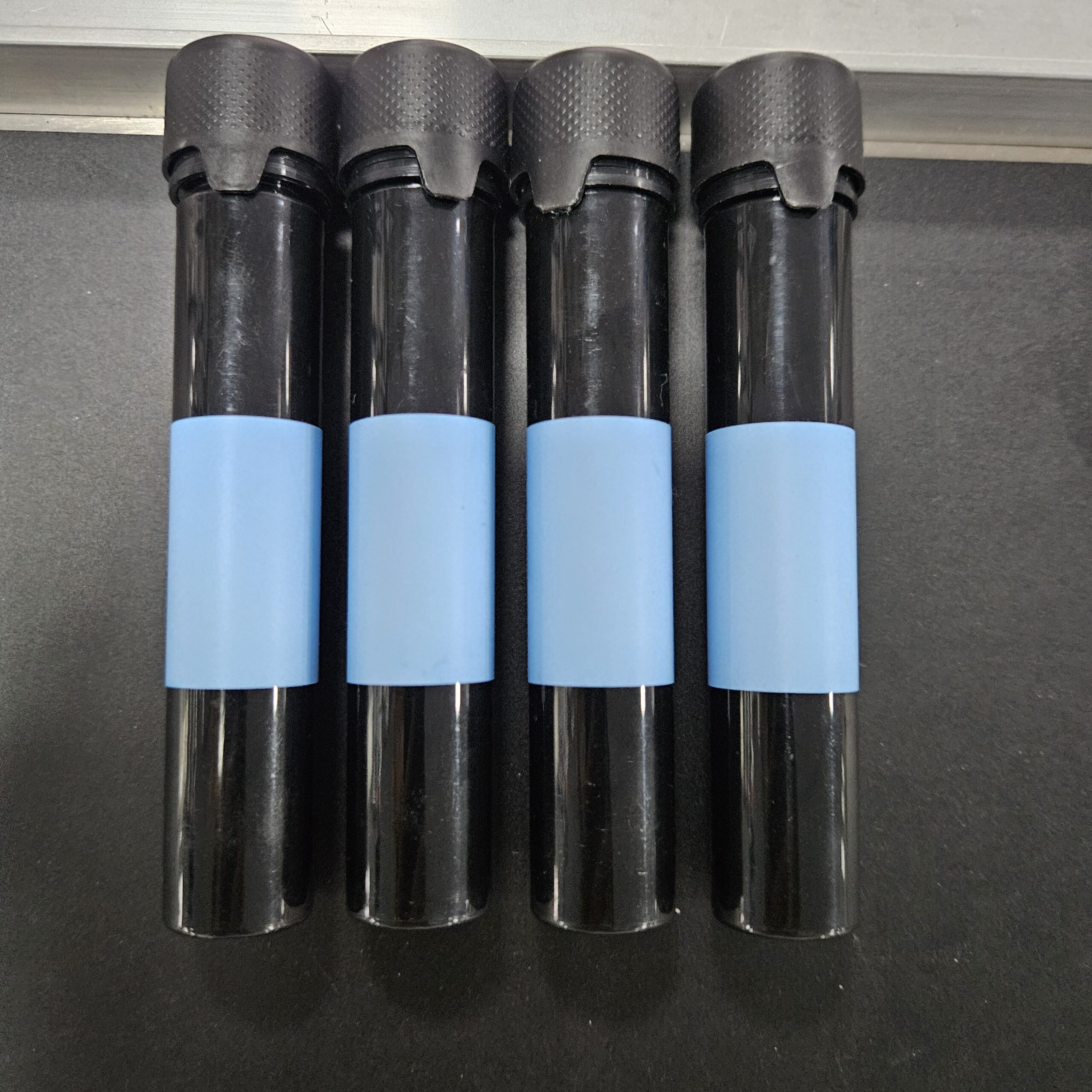
Vials and slim bottles laid down and labeled at line speed: φ10–30mm, ±1mm.
Small diameters done right: φ10–30mm vials and tubes at 100–300 pcs/min, ±1mm, with a ±0.2mm benchtop option, proven on your containers on video.
Vials tip, tubes roll, clear film reads as empty. The horizontal platform is the default answer.
φ10–30mm, wrap or panel, T923 at up to 300 pcs/min.
Fold-over flags on the straight wall, readable in the rack.
Horizontal wrap with controlled roller pressure and matched sensor.
Fixtures present the barrel with flange clearance engineered per project.
Stiff, narrow stock on the T807 ±0.2mm flat platform or T808 fold-over.
±0.2mm benchtop tier where compliance rules tighten.
One factory line: see the round bottle manufacturer page for platform logic.
Vials and slim bottles laid down and labeled at line speed: φ10–30mm, ±1mm.
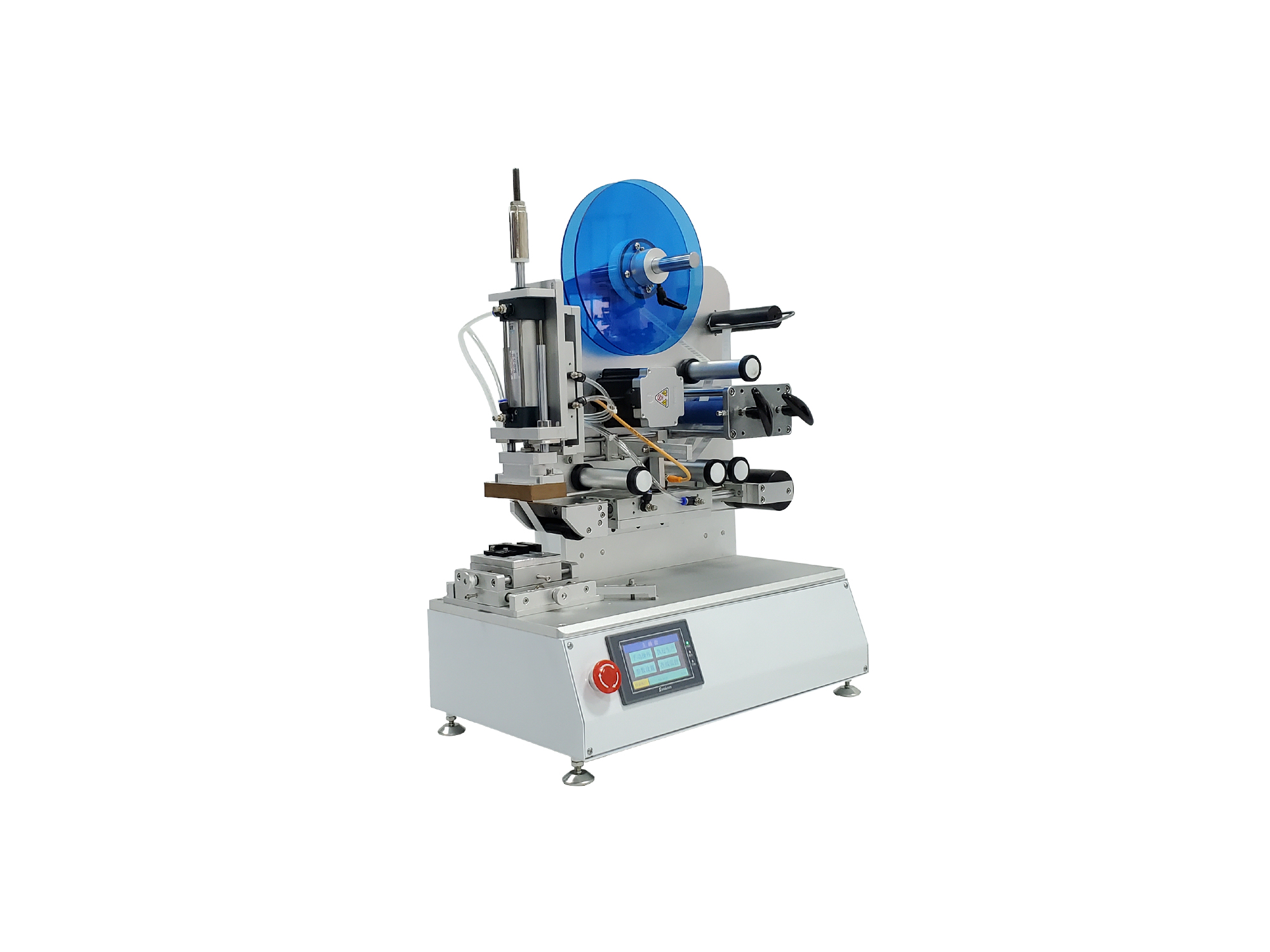
Cartons, leaflets and blotter cards: three-cylinder suction at the tightest accuracy we publish.
Folds the label over the tube end: centrifuge tubes, cryo vials and lab consumables.
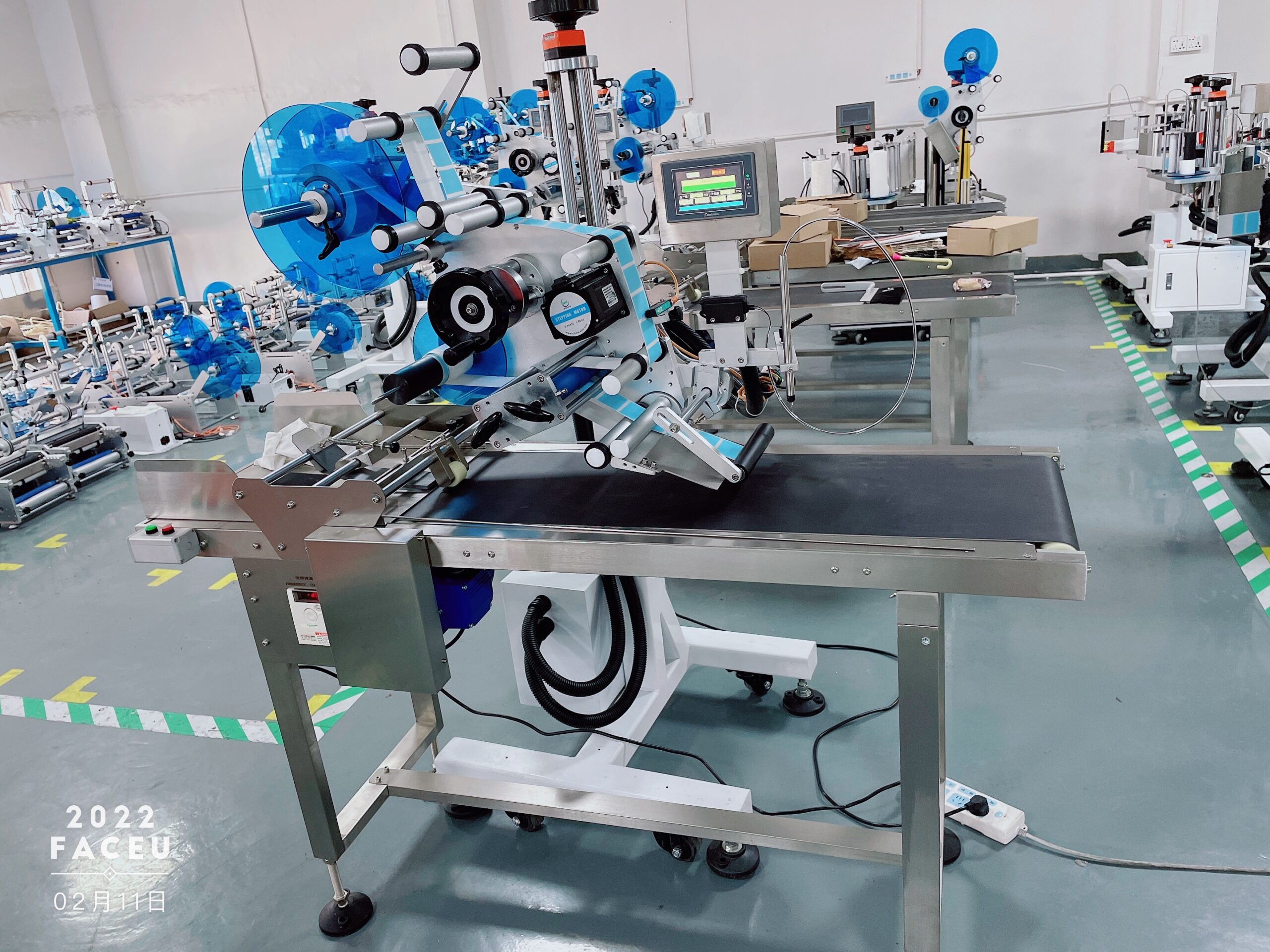
Lot number, expiry and 2D barcode printed and applied in one station: the traceability piece.
A datasheet ±1mm means nothing until it is measured with your vial, your label and your target rate. The rated span is 100–300 pcs/min; the engineering question is what it reads at the top of that range with your label length.
| Run rate | Container | Evidence |
|---|---|---|
| 100 pcs/min | your vial sample | measured at your FAT, filed in the report |
| 200 pcs/min | your vial sample | measured at your FAT, filed in the report |
| 300 pcs/min | your vial sample | measured at your FAT, filed in the report |
Where the process requires 100% correct labeling, an optional vision-check station can verify placement after application (scoped per project). Process: 10-point FAT.
Regulatory sign-off belongs to your quality team. The equipment side is placement you can prove.
T933-class corner-seal application places the seal so it tears predictably, proven on your cartons on video.
FT-600 prints lot, expiry and 2D codes in the same pass, so the data lands with the label, not two stations later.
Documentation pack (materials, electrical docs, factory test records) on request; the signed FAT report anchors acceptance.
Ultrasonic sensing reads label thickness instead of light, so clear-on-clear registers like paper. SICK sensors, build-time fit.
Five clips on real pharma containers, φ10mm to φ30mm.
Yes. The T923 lays vials horizontally and carries them through the application point on guide rails: φ10–30mm, 100–300 pcs/min, ±1mm. Vials are loaded by vibratory feeder or by hand tray.
Rated ±1mm across the 100–300 pcs/min span; the working number is measured at three speeds during your FAT with your vials and labels, and filed in the report. A ±0.2mm benchtop tier exists for flat components.
Yes, with ultrasonic sensing fitted at build time: thickness detection, not optics, so clear-on-clear registers every cycle. Declare it at inquiry and it is proven on your material in the test video.
FT-600 print & apply prints and applies variable data in one station, or the FT-600 can be integrated with an existing labeling platform for traceability.
A documentation pack (materials, electrical documentation, factory test records) is available on request, and the signed FAT report doubles as acceptance evidence. Exact scope is agreed per project.
Syringe barrels need fixture work: the barrel is presented so the label lands on the straight zone, with flange clearance engineered per project. Send samples for evaluation before quoting.