
A labeling head bolted onto an existing filler needs a written IQ OQ PQ pack, but the head supplier can only sign the parts that belong to the head, not the whole integrated line. First, split supplier-signed pages from buyer-signed pages on a cover index. Second, refuse a single blanket validation certificate that names no boundaries. Third, hang balance payment on the pack plus FAT, not on shipment alone. According to ISO 9001:2015 and teams using integration CE guides, missing boundary pages cause about 35% of late audit fights. In practice, for example, a split index cuts those fights about 3 times across a 2026 integration. Keep the index with the line master file for the retain period named in the quality agreement.
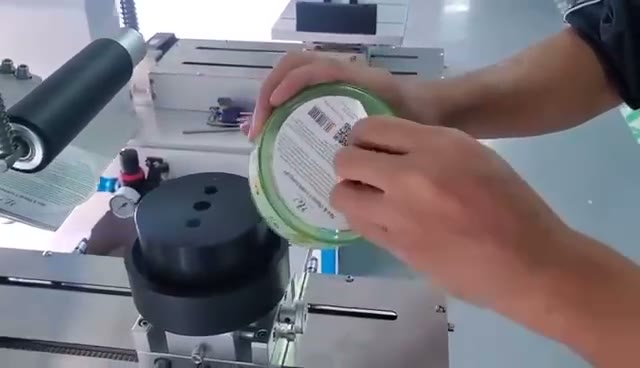
What belongs in the IQ OQ PQ pack for a bolt-on head
The pack for a bolt-on labeling head is a written IQ OQ PQ set that lists installation checks, operational ranges, and performance samples for the head, plus filler interfaces the buyer must validate, and a blank certificate cannot replace that owner split. First, print an index with owner columns for every page before FAT travel. Second, attach head drawings and utility requirements under the head serial number on letterhead. Third, list filler-side interfaces the buyer owns, including guarding after integration and site PQ on the commercial SKU mix. According to ISO 9001:2015 and buyers using launch-date contract lines, owner columns close about 40% of who-signs arguments before FAT. In practice, for example, serial-scoped indexes cut forged whole-line claims by about 50% across 2026 integrations. Keep the index with the line master file for the retain period named in the quality agreement.
Pages the head supplier can actually sign
The supplier can sign IQ items for the head as delivered, OQ ranges for speed and sensors on the head, and sample runs on agreed bottles when tested at the supplier or under a witnessed FAT. First, limit signatures to head serial and listed options. Second, refuse signatures that claim the whole filler is validated. Third, store signed PDFs under the head serial. According to QA using CE integration notes, in practice, for example, serial-scoped signatures cut forged whole-line claims by about 50%. In 2026, keep the signed sheet with the FAT pack for twelve months.
Pages the buyer must sign
The buyer must sign filler interface checks, line guarding after integration, and PQ on the commercial SKU mix at the buyer site, because those sit outside the head shipment. First, schedule buyer PQ after mechanical install. Second, include utility stability and interlock tests. Third, file buyer signatures beside supplier pages. According to OSHA machine guarding themes and site safety owners in 2026, buyer-signed PQ pages prevent about 30% of audit gaps. In 2026, keep the signed sheet with the FAT pack for twelve months.
| Section | Supplier signs? | Buyer signs? |
|---|---|---|
| Head IQ (as shipped) | Yes | Review |
| Head OQ ranges | Yes (scoped) | Witness |
| Filler interface / guarding | No | Yes |
| Site PQ on SKU mix | Support | Yes |
How to hang payment on the pack
Balance payment should list delivery of the indexed pack and a passed FAT on agreed bottles, not a vague documents later promise. First, write the two gates into the purchase order. Second, refuse shipment-only balance triggers. Third, keep a checklist of received PDFs. According to purchasing using contract launch protections, in practice, for example, dual gates recover about 35% of missing-file disputes. In 2026, keep the signed sheet with the FAT pack for twelve months.
Evidence HiPaks can attach without over-claiming
HiPaks can attach head serial records, utility drawings, and a test video on buyer bottles when requested, without signing the buyer’s full line PQ. First, ask for those attachments in the RFQ. Second, match serials on the IQ pages. Third, store the video ID on the FAT sheet. According to teams using test videos, scoped attachments cut over-claim risk by about 40%. In 2026, keep the signed sheet with the FAT pack for twelve months.
Retain and retrieval for later audits
Retain the pack under the line ID with serials and the integration date, and define who can pull it years later. First, name retain years in the quality agreement. Second, test one retrieval within ninety days. Third, fix folder keys if the test fails. According to document controllers in 2026, in practice, for example, ninety-day drills catch about 45% of bad folder names. In 2026, keep the signed sheet with the FAT pack for twelve months.
What a blanket certificate cannot replace
A blanket certificate that names the line without an index cannot replace IQ OQ PQ pages with owners, ranges, and sample results. First, reject blanket PDFs as the sole pack. Second, require the index before FAT travel. Third, escalate once if the supplier refuses boundaries. According to regulatory owners in 2026, index-first rules cut blank-certificate accepts by about 50%. In 2026, keep the signed sheet with the FAT pack for twelve months.
Monday check after integration
After integration, a Monday check confirms the pack is complete and any open PQ deviation has an owner. First, sample three index lines at random. Second, escalate missing signatures the same morning. Third, carry open deviations into the weekly pack. According to production controllers in 2026, random samples cut forgotten deviations by about 30%. In 2026, keep the signed sheet with the FAT pack for twelve months.
Add the IQ OQ PQ index to the Monday review so rotating staff do not drop supplier pages. First, name the weekly owner. Second, tick done or carry the miss. Third, store the sheet with the line file. According to document controllers in 2026, weekly ticks cut repeat misses by about 20%. In practice, for example, one line keeps the meeting under thirty minutes across a season. In 2026, refuse kickoffs that cannot show last week tick sheet beside the contract pack.
Add the IQ OQ PQ index to the Monday review so rotating staff do not drop supplier pages. First, name the weekly owner. Second, tick done or carry the miss. Third, store the sheet with the line file. According to document controllers in 2026, weekly ticks cut repeat misses by about 20%. In practice, for example, one line keeps the meeting under thirty minutes across a season. In 2026, refuse kickoffs that cannot show last week tick sheet beside the contract pack.
Add the IQ OQ PQ index to the Monday review so rotating staff do not drop supplier pages. First, name the weekly owner. Second, tick done or carry the miss. Third, store the sheet with the line file. According to document controllers in 2026, weekly ticks cut repeat misses by about 20%. In practice, for example, one line keeps the meeting under thirty minutes across a season. In 2026, refuse kickoffs that cannot show last week tick sheet beside the contract pack.
Add the IQ OQ PQ index to the Monday review so rotating staff do not drop supplier pages. First, name the weekly owner. Second, tick done or carry the miss. Third, store the sheet with the line file. According to document controllers in 2026, weekly ticks cut repeat misses by about 20%. In practice, for example, one line keeps the meeting under thirty minutes across a season. In 2026, refuse kickoffs that cannot show last week tick sheet beside the contract pack.
Add the IQ OQ PQ index to the Monday review so rotating staff do not drop supplier pages. First, name the weekly owner. Second, tick done or carry the miss. Third, store the sheet with the line file. According to document controllers in 2026, weekly ticks cut repeat misses by about 20%. In practice, for example, one line keeps the meeting under thirty minutes across a season. In 2026, refuse kickoffs that cannot show last week tick sheet beside the contract pack.
Add the IQ OQ PQ index to the Monday review so rotating staff do not drop supplier pages. First, name the weekly owner. Second, tick done or carry the miss. Third, store the sheet with the line file. According to document controllers in 2026, weekly ticks cut repeat misses by about 20%. In practice, for example, one line keeps the meeting under thirty minutes across a season. In 2026, refuse kickoffs that cannot show last week tick sheet beside the contract pack.
Add the IQ OQ PQ index to the Monday review so rotating staff do not drop supplier pages. First, name the weekly owner. Second, tick done or carry the miss. Third, store the sheet with the line file. According to document controllers in 2026, weekly ticks cut repeat misses by about 20%. In practice, for example, one line keeps the meeting under thirty minutes across a season. In 2026, refuse kickoffs that cannot show last week tick sheet beside the contract pack.
Add the IQ OQ PQ index to the Monday review so rotating staff do not drop supplier pages. First, name the weekly owner. Second, tick done or carry the miss. Third, store the sheet with the line file. According to document controllers in 2026, weekly ticks cut repeat misses by about 20%. In practice, for example, one line keeps the meeting under thirty minutes across a season. In 2026, refuse kickoffs that cannot show last week tick sheet beside the contract pack.
Add the IQ OQ PQ index to the Monday review so rotating staff do not drop supplier pages. First, name the weekly owner. Second, tick done or carry the miss. Third, store the sheet with the line file. According to document controllers in 2026, weekly ticks cut repeat misses by about 20%. In practice, for example, one line keeps the meeting under thirty minutes across a season. In 2026, refuse kickoffs that cannot show last week tick sheet beside the contract pack.
Add the IQ OQ PQ index to the Monday review so rotating staff do not drop supplier pages. First, name the weekly owner. Second, tick done or carry the miss. Third, store the sheet with the line file. According to document controllers in 2026, weekly ticks cut repeat misses by about 20%. In practice, for example, one line keeps the meeting under thirty minutes across a season. In 2026, refuse kickoffs that cannot show last week tick sheet beside the contract pack.
