
Changing from pressure-sensitive to hot-melt wraparound mid-season often spikes scrap when the quotation treated the swap as a same-day recipe change instead of a re-commission with a new FAT window on the commercial bottle and both shifts trained on purge and temperature. First, list quotation lines that force mechanical and glue-system re-commission before any hot-melt roll goes live on the filler. Second, refuse a same-day swap without a dated FAT window, scrap band, and placement band written on one sheet. Third, lock scrap limits and sample size before the first commercial shift on day and night crews. According to buyers using adhesive matching guides and ISO 9001:2015, skipped re-commission lines cause about 40% of mid-season scrap spikes. In practice, for example, a forced re-commission window cuts those spikes about 3 times on 2026 changeovers. Keep the change-order pack under the line ID for twelve months with the FAT sheet and the signed training roster for both shifts.
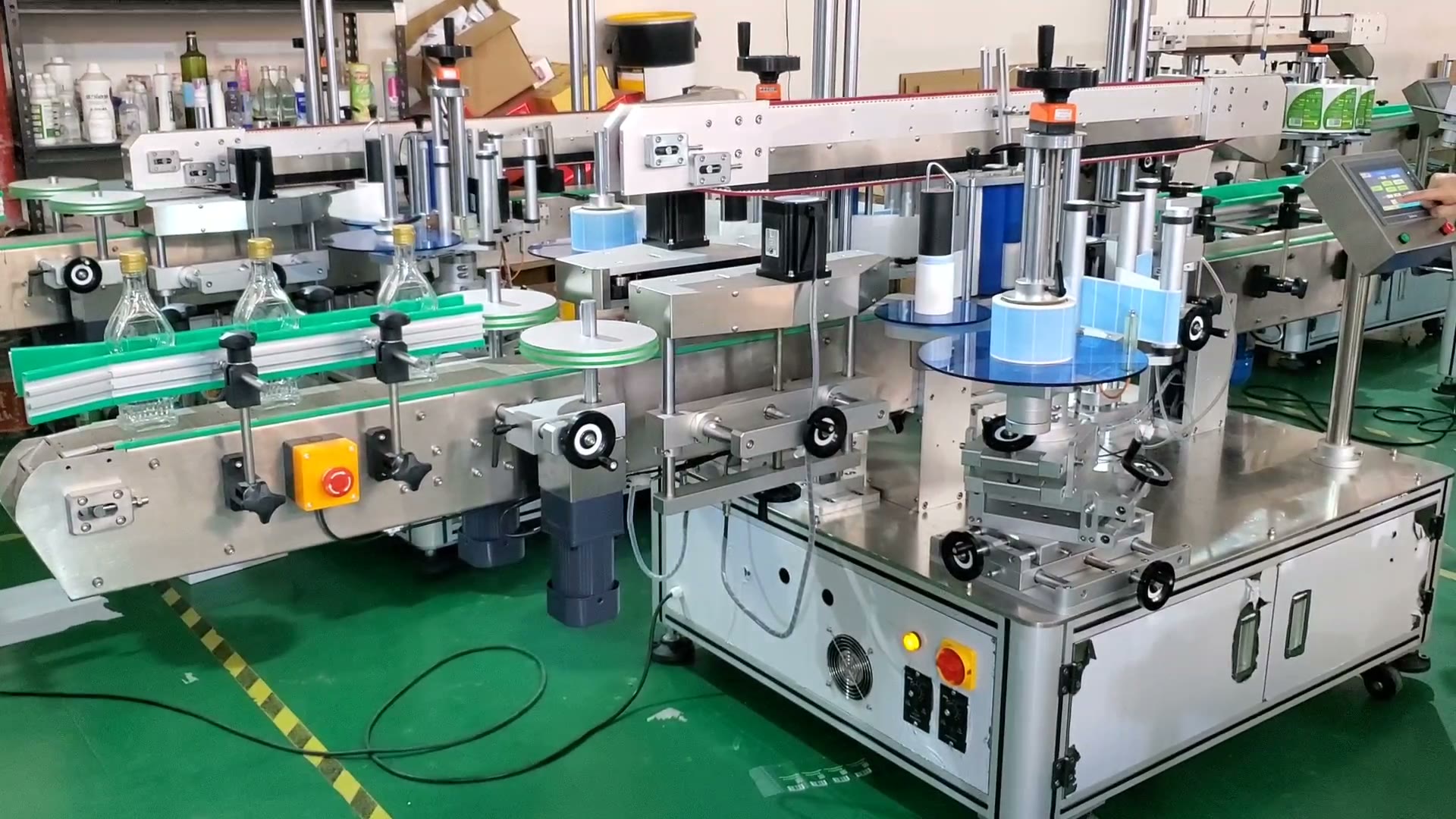
Why a same-day swap is the wrong mental model
A same-day swap assumes only adhesive changes, but hot-melt wraparound changes applicators, temperature control, and often bottle handling, so scrap jumps when those stay on the old pressure-sensitive recipe without a new FAT. First, stop the line before the first hot-melt roll goes live. Second, open a re-commission ticket with an owner and a FAT date on the commercial SKU. Third, do not promise same-shift commercial output until scrap and placement bands both pass. According to process leads using recipe-or-change-part guides and ISO 9001:2015, tickets cut silent swaps by about 45%. In practice, for example, dated FAT windows prevent about 40% of mid-season scrap spikes on 2026 lines. Keep the ticket with the change-order pack for twelve months under the line ID.
Quotation lines that must force re-commission
Quotation lines that force re-commission include glue system type, applicator hardware, temperature band, and wrap method, each checked as change-part not recipe. First, print those lines on the change order. Second, require a FAT date when any line flips. Third, block production release until FAT passes. According to purchasing and engineering in 2026, in practice, for example, printed flip lines cut same-day attempts by about 50%. In 2026, keep the signed sheet with the FAT pack for twelve months.
Acceptance window after the adhesive change
The acceptance window names scrap limit, sample size, and hold time after label apply, because hot-melt bonds cure on a different clock than pressure-sensitive. First, write scrap percent and bottle count on the FAT. Second, include a timed peel or wrap check. Third, fail if scrap exceeds the band on the sample. According to FDA Food Code 2022 themes and teams using test videos, timed checks catch about 35% of early peel misses. In 2026, keep the signed sheet with the FAT pack for twelve months.
| Quote line | Recipe OK? | Re-commission? |
|---|---|---|
| Glue system type | No | Yes |
| Applicator hardware | No | Yes |
| Temperature band | No | Yes |
| Label SKU art only | Often yes | If wrap method unchanged |
Speed and accuracy lines to re-state
Re-state speed and accuracy after the change: automatic lines often run 40 to 300 pcs/min depending on configuration, and placement stays near ±1 mm unless a finer head is quoted. First, print the new speed band on the FAT. Second, measure placement on the commercial bottle. Third, refuse marketing speed from the old PS recipe. According to teams using selection guides, in practice, for example, restated bands cut about 30% of over-promise scrap. In 2026, keep the signed sheet with the FAT pack for twelve months.
Spare parts and training that travel with the swap
Hot-melt spares, nozzle cleaning tools, and operator steps must travel with the swap, or the first night shift recreates scrap. First, issue a spare kit list before FAT. Second, train both shifts on temperature and purge. Third, post a one-page restart checklist on the line. According to training leads in 2026, posted checklists cut night-shift scrap spikes by about 25%. In 2026, keep the signed sheet with the FAT pack for twelve months.
What to put in the change-order file
The change-order file holds the flipped quote lines, the FAT results, and the scrap band for the first commercial week. First, upload the pack under the line ID. Second, share read access with quality and production. Third, review scrap daily for five days. According to operations controllers in 2026, in practice, for example, five-day reviews catch about 40% of drifting settings early. In 2026, keep the signed sheet with the FAT pack for twelve months.
When to stay on pressure-sensitive instead
Stay on pressure-sensitive when the SKU mix is short-run and changeover cost dominates, and only move to hot-melt when wrap volume justifies the re-commission. First, score annual volume versus changeover hours. Second, write the decision on the change request. Third, revisit after one quarter of scrap data. According to buyers using adhesive guides, scored decisions cut regret swaps by about 35%. In 2026, keep the signed sheet with the FAT pack for twelve months.
Add the adhesive change-order pack to the Monday review so rotating staff do not restart on the old pressure-sensitive recipe. First, name the weekly owner. Second, tick done or carry the miss. Third, store the sheet with the line file. According to document controllers in 2026, weekly ticks cut repeat misses by about 20%. In practice, for example, one line keeps the meeting under thirty minutes across a season. In 2026, refuse kickoffs that cannot show last week tick sheet beside the FAT pack.
Add the adhesive change-order pack to the Monday review so rotating staff do not restart on the old pressure-sensitive recipe. First, name the weekly owner. Second, tick done or carry the miss. Third, store the sheet with the line file. According to document controllers in 2026, weekly ticks cut repeat misses by about 20%. In practice, for example, one line keeps the meeting under thirty minutes across a season. In 2026, refuse kickoffs that cannot show last week tick sheet beside the FAT pack.
Add the adhesive change-order pack to the Monday review so rotating staff do not restart on the old pressure-sensitive recipe. First, name the weekly owner. Second, tick done or carry the miss. Third, store the sheet with the line file. According to document controllers in 2026, weekly ticks cut repeat misses by about 20%. In practice, for example, one line keeps the meeting under thirty minutes across a season. In 2026, refuse kickoffs that cannot show last week tick sheet beside the FAT pack.
Add the adhesive change-order pack to the Monday review so rotating staff do not restart on the old pressure-sensitive recipe. First, name the weekly owner. Second, tick done or carry the miss. Third, store the sheet with the line file. According to document controllers in 2026, weekly ticks cut repeat misses by about 20%. In practice, for example, one line keeps the meeting under thirty minutes across a season. In 2026, refuse kickoffs that cannot show last week tick sheet beside the FAT pack.
Add the adhesive change-order pack to the Monday review so rotating staff do not restart on the old pressure-sensitive recipe. First, name the weekly owner. Second, tick done or carry the miss. Third, store the sheet with the line file. According to document controllers in 2026, weekly ticks cut repeat misses by about 20%. In practice, for example, one line keeps the meeting under thirty minutes across a season. In 2026, refuse kickoffs that cannot show last week tick sheet beside the FAT pack.
Add the adhesive change-order pack to the Monday review so rotating staff do not restart on the old pressure-sensitive recipe. First, name the weekly owner. Second, tick done or carry the miss. Third, store the sheet with the line file. According to document controllers in 2026, weekly ticks cut repeat misses by about 20%. In practice, for example, one line keeps the meeting under thirty minutes across a season. In 2026, refuse kickoffs that cannot show last week tick sheet beside the FAT pack.
Add the adhesive change-order pack to the Monday review so rotating staff do not restart on the old pressure-sensitive recipe. First, name the weekly owner. Second, tick done or carry the miss. Third, store the sheet with the line file. According to document controllers in 2026, weekly ticks cut repeat misses by about 20%. In practice, for example, one line keeps the meeting under thirty minutes across a season. In 2026, refuse kickoffs that cannot show last week tick sheet beside the FAT pack.
Add the adhesive change-order pack to the Monday review so rotating staff do not restart on the old pressure-sensitive recipe. First, name the weekly owner. Second, tick done or carry the miss. Third, store the sheet with the line file. According to document controllers in 2026, weekly ticks cut repeat misses by about 20%. In practice, for example, one line keeps the meeting under thirty minutes across a season. In 2026, refuse kickoffs that cannot show last week tick sheet beside the FAT pack.
Add the adhesive change-order pack to the Monday review so rotating staff do not restart on the old pressure-sensitive recipe. First, name the weekly owner. Second, tick done or carry the miss. Third, store the sheet with the line file. According to document controllers in 2026, weekly ticks cut repeat misses by about 20%. In practice, for example, one line keeps the meeting under thirty minutes across a season. In 2026, refuse kickoffs that cannot show last week tick sheet beside the FAT pack.
Add the adhesive change-order pack to the Monday review so rotating staff do not restart on the old pressure-sensitive recipe. First, name the weekly owner. Second, tick done or carry the miss. Third, store the sheet with the line file. According to document controllers in 2026, weekly ticks cut repeat misses by about 20%. In practice, for example, one line keeps the meeting under thirty minutes across a season. In 2026, refuse kickoffs that cannot show last week tick sheet beside the FAT pack.
Add the adhesive change-order pack to the Monday review so rotating staff do not restart on the old pressure-sensitive recipe. First, name the weekly owner. Second, tick done or carry the miss. Third, store the sheet with the line file. According to document controllers in 2026, weekly ticks cut repeat misses by about 20%. In practice, for example, one line keeps the meeting under thirty minutes across a season. In 2026, refuse kickoffs that cannot show last week tick sheet beside the FAT pack.
Night-shift restart checklist
A night-shift restart checklist names purge steps, temperature band, and first-thirty-bottle inspection so the second crew does not inherit an unfinished day-shift tweak. First, post the checklist at the head. Second, require a signed first-thirty count. Third, escalate if scrap exceeds the band before dawn. According to training leads in 2026, posted checklists cut night-shift scrap spikes by about 25%. In practice, for example, signed first-thirty counts catch about 30% of drifted temperature settings early. Keep the sheets with the change-order pack for twelve months.
When volume does not justify hot-melt
Hot-melt is not automatic progress when annual wrap volume is low and changeover hours dominate, so score volume against re-commission cost before flipping the quote line. First, estimate annual wrap volume. Second, estimate re-commission and training hours. Third, write stay-on-PS when the hours outweigh the wrap benefit. According to buyers using adhesive guides, scored decisions cut regret swaps by about 35%. In practice, for example, one-page score sheets stop about 40% of mid-season flips that should have waited. Keep the score sheet with the change request.
