
The factory number is shorter than the number you should plan around. From a Chinese labeling machine factory, a semi-automatic machine is typically quoted at 7 to 10 days, a fully automatic machine at 7 to 25 days depending on configuration, and a custom or rotary project at 25 days and up. Those figures describe production. They do not include the sample test, the fixture drawing approval, the acceptance run, crating, booking, ocean transit, or installation. A realistic door-to-door plan for a standard automatic machine is six to ten weeks from deposit, and a custom machine is closer to ten to fourteen. The buyers who feel let down are almost never misled about production time. They are surprised by the parts of the calendar nobody put on the quotation.
Three clocks run at once on every order
Production is the clock the supplier controls. It starts when the deposit clears and the specification is frozen, and it ends when the machine is tested and crated. This is the number printed on the quotation, and it is usually accurate for a standard machine because the factory has built the same configuration many times.
Approval is the clock the buyer controls. Fixture drawings, label artwork, bottle samples, and the acceptance criteria all sit here. Every day this clock runs long is a day production cannot start or cannot finish, and it is the most common reason a shipment that was on schedule slides by two weeks.
Transit is the clock nobody controls. Ocean space, port congestion, customs inspection, and inland trucking all live here. A factory can promise a departure date. It cannot promise an arrival date that depends on a vessel, a terminal, and a broker in your country.
Separating the three clocks is the whole discipline of planning a labeling machine purchase. A single “lead time” figure collapses them and hides the two that will actually move.
What 7 to 10 days covers on a semi-automatic machine
A semi-automatic labeler is a bench machine with a motorized label feed, a wrap-around or flat applicator, and a sensor trigger. Most of it is assembled from stock sub-assemblies, so the seven to ten day window is final assembly, wiring, a test on a sample container, and packing. It assumes the standard fixture for a round bottle is what you need.
Two things break that assumption. The first is a container that is not round: a square, tapered, or oval bottle needs a fixture that has to be machined, and that adds days rather than hours. The second is a label material the standard sensor struggles with, such as a clear label on a clear bottle, which needs a different sensing setup and a fresh test.
The practical consequence is simple. If you are buying a semi-automatic machine for a standard round bottle, ask for the ship date and expect it. If your container is unusual, ask what the fixture adds before you compare that 7 to 10 day figure against a competitor’s.
What pushes a fully automatic order to 25 days
The fully automatic band is wide because the machine is a line, not a unit. At the simple end, a conveyor-fed wrap-around labeler with a standard star wheel is a 7 to 15 day build. At the other end, a machine with a custom infeed, an orientation station, a print and apply head, or a second labeling station is a 20 to 25 day project, and the extra days are engineering rather than assembly.
| Configuration | Typical production window | What sets the length |
|---|---|---|
| Semi-automatic, standard round fixture | 7 to 10 days | Assembly from stock sub-assemblies |
| Semi-automatic, custom fixture | 10 to 15 days | Fixture machining and a fresh test |
| Automatic, standard conveyor and star wheel | 7 to 15 days | Frame build, wiring, line test |
| Automatic with orientation or print and apply | 15 to 25 days | Integration, software setup, test matrix |
| Custom or odd-shape project | 25 days and up | Design review, prototype fixture, iteration |
| Rotary hot melt line | 25 days and up | Machined carousel, glue system, multi-format tooling |
Notice what is not in that table: a number for “rush”. Factories can sometimes compress assembly by putting a second shift on a machine, and almost never compress engineering. If a supplier offers to halve the schedule on a custom project, ask which engineering step is being skipped, because one of them is.
Why 25 days is a floor on custom work, not an estimate
A custom labeling project starts with a container the factory has not run before. The sequence is fixed: measure the container, decide how it will be held and rotated, design a fixture, machine it, mount it, run samples, measure the result, adjust, and run again. Two iterations are normal. Three happen when the container has a seam, a recess, or a taper that pushes the label sideways.
That sequence cannot be shortened by working faster on the last step, because each step needs the previous one to be finished. This is why a custom quotation of “25 days plus” is honest and a custom quotation of “15 days” is usually a standard machine with a hopeful fixture drawing.
There is a legitimate way to shorten it: send containers and labels before you order. A factory that has already run your bottle has effectively done the first iteration on its own time, and the schedule you buy afterwards is the second one. HiPaks runs customer samples on request and returns a video within 48 hours of the samples arriving, which turns the unknown part of the schedule into a known one before the deposit is discussed.
The week by week view
The following plan is what a standard automatic order looks like when nothing goes wrong. It is a planning tool, not a promise, because two of the rows depend on you and one depends on a shipping line.
| Stage | When | Who owns it |
|---|---|---|
| Specification frozen, deposit sent | Week 0 | Buyer and factory |
| Fixture and layout drawings approved | Week 1 | Buyer, this is the fastest lever you have |
| Frame build, wiring, sub-assembly | Weeks 1 to 3 | Factory |
| Acceptance test on your containers, video and report | Week 3 or 4 | Factory, with your sign-off |
| Balance payment, crating, booking | Week 4 | Buyer pays, factory crates, forwarder books |
| Ocean transit port to port | Weeks 5 to 9 | Carrier, plan four to six weeks and confirm with your forwarder |
| Customs clearance and inland delivery | Week 9 or 10 | Your broker |
| Installation and commissioning | Week 10 or later | Factory remotely or on site |
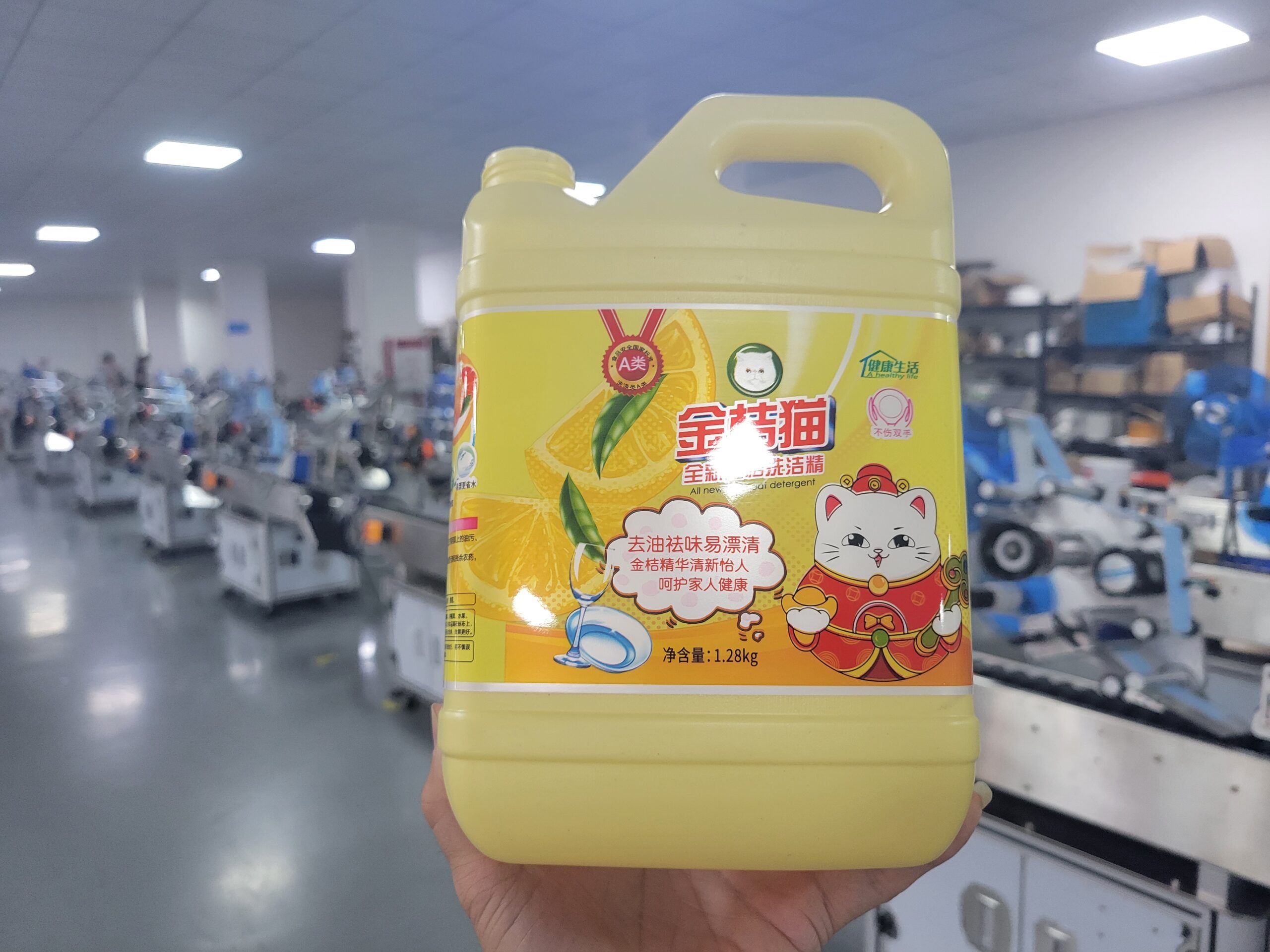
Two rows deserve attention. The drawings approval row is the only one where a buyer can save a week at no cost, by answering questions the same day they arrive. The acceptance test row is the only one where a buyer can lose a week by being unavailable, because a factory will not crate a machine that nobody has signed off.
What actually delays an order that was on schedule
Label artwork that arrives late. The machine can be built without your label, but it cannot be tested properly without it. Artwork that is still in review at week three pushes the test to week four and the ship date with it.
A fixture that needs a second iteration. This is normal on an unusual container and it is not a failure. It becomes a delay when the buyer treats the first test video as a formality instead of reading the measurement in it.
Compliance paperwork that starts too late. If your destination needs CE documentation, the technical file has to be assembled while the machine is being built, not after. The European Commission’s machinery pages set out the conformity route and the documents behind a declaration. A supplier who only starts this at crating time will miss the vessel.
Payment that arrives after the machine is ready. Balance terms are usually 70% before shipment. A transfer that takes four banking days, plus a compliance check at your bank, is a week of the schedule that nobody planned for.
The Spring Festival window. Chinese factories slow down and then stop for a period that moves each year between late January and mid February, and the ramp back up is slower than the stop. An order placed eight weeks before the holiday can lose two weeks at the far end. Ask for the factory’s holiday calendar before you fix a date.
Vessel space in a tight season. Booking is done by your forwarder, and in the weeks before a major retail season the space simply is not there at the rate you budgeted. This is a transit clock problem, not a factory problem, and it is the one most often blamed on the supplier.
Compressing the schedule without paying for air freight
Air freight on a labeling machine is rarely rational: a fully automatic unit is bulky, heavy, and not urgent enough to justify the multiple. The cheaper compressions are procedural.
Approve drawings within 24 hours. Send containers and labels before the order so the fixture decision is made with real samples. Book the forwarder at deposit rather than at crating, so the vessel slot exists when the machine is ready. Pay the balance against the acceptance video instead of waiting for a paper original to arrive by courier. Ask for the machine’s test video to be shot with a caliper in frame, so a question about accuracy is answered in one exchange rather than three.
HiPaks quotes semi-automatic at 7 to 10 days and automatic at 7 to 25 days by configuration, and confirms the date in writing once the fixture is agreed, because the fixture is what moves it. Ask any supplier for the same structure: a production date, a test date, and the name of the person who confirms the ship date.
Next step: if you have a container and a target output, the quote form returns a date range with the fixture assumption written out, and the acceptance test page shows what has to be signed before crating. Buyers comparing classes of machine should read the price guide first, since the delivery window and the price band move together.
FAQ
Is 7 to 10 days realistic for a semi-automatic labeling machine?
Yes, for a standard machine on a standard round container, counted from cleared deposit and approved drawings. Add five days if the container needs a custom fixture, and add the transit and clearance time separately, because the factory window stops at the crate.
Can I pay extra to shorten the lead time?
Sometimes for assembly, almost never for engineering. A second shift can compress a standard build by a few days. A custom fixture still has to be designed, machined, tested, and adjusted, and paying more does not remove those steps. Ask which step a rush offer is skipping.
Does the lead time include the acceptance test?
It should. A proper schedule places the test before crating, with the balance payment after your sign-off. If the test is described as something that happens after arrival, the machine is being shipped untested, and the first real run will be in your plant.
How much does Chinese New Year affect a labeling machine order?
Plan for two lost weeks around the holiday period and a slower ramp afterwards, and ask the factory for its own calendar. Orders that would finish within three weeks of the holiday are the ones that slip, because the machine is in final assembly when the workforce leaves.
What is a realistic total time from deposit to first production run?
Six to ten weeks for a standard automatic machine and ten to fourteen for a custom or rotary project, including ocean transit and commissioning. The factory window is the smallest part of that total, which is why buyers who plan only around the quoted production days are the ones who run out of stock.
