
Vials (incl. 3ml & peptide)
The workhorse: φ10–30mm vials laid horizontally through the T923, wrapped or panel-applied at up to 300 pcs/min.
Small diameters done right: φ10–30mm vials and tubes at 100–300 pcs/min, ±1mm, plus a ±0.2mm benchtop option.
Everything below is too small to stand up at speed, which is why the horizontal platform is the default answer.
The workhorse: φ10–30mm vials laid horizontally through the T923, wrapped or panel-applied at up to 300 pcs/min.
Fold-over flag application keeps the label on the straight wall and readable in the rack.
Horizontal wrap with controlled roller pressure and a sensor matched to the label stock.
Fixtures present the barrel so the label lands on the straight zone, with flange clearance engineered per project.
Stiff, narrow cryo stocks are exactly what the T807 flat platform (±0.2mm) and T808 fold-over were built for.
The ±0.2mm benchtop tier exists for cannabis rules drifting toward pharma-grade placement tolerances.
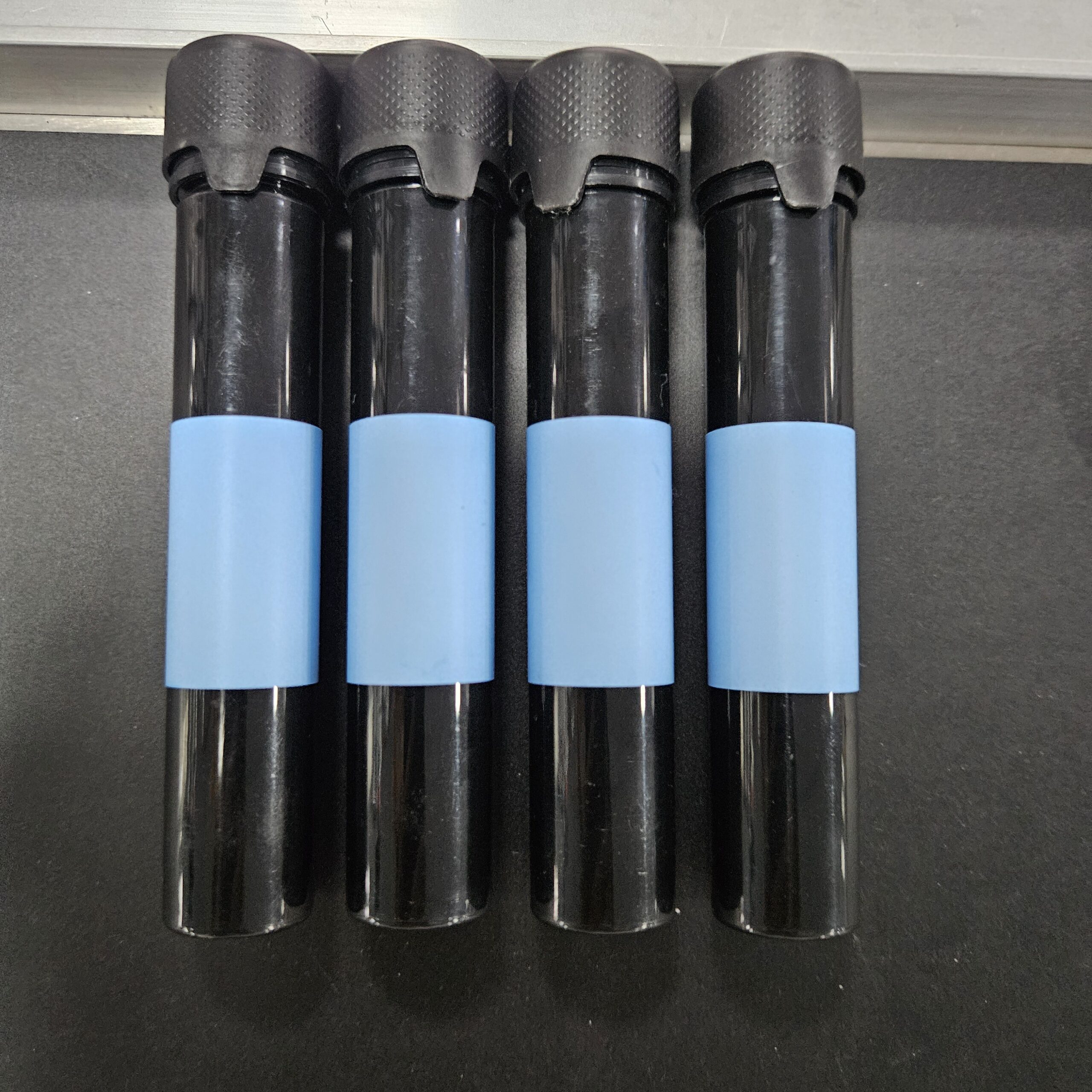
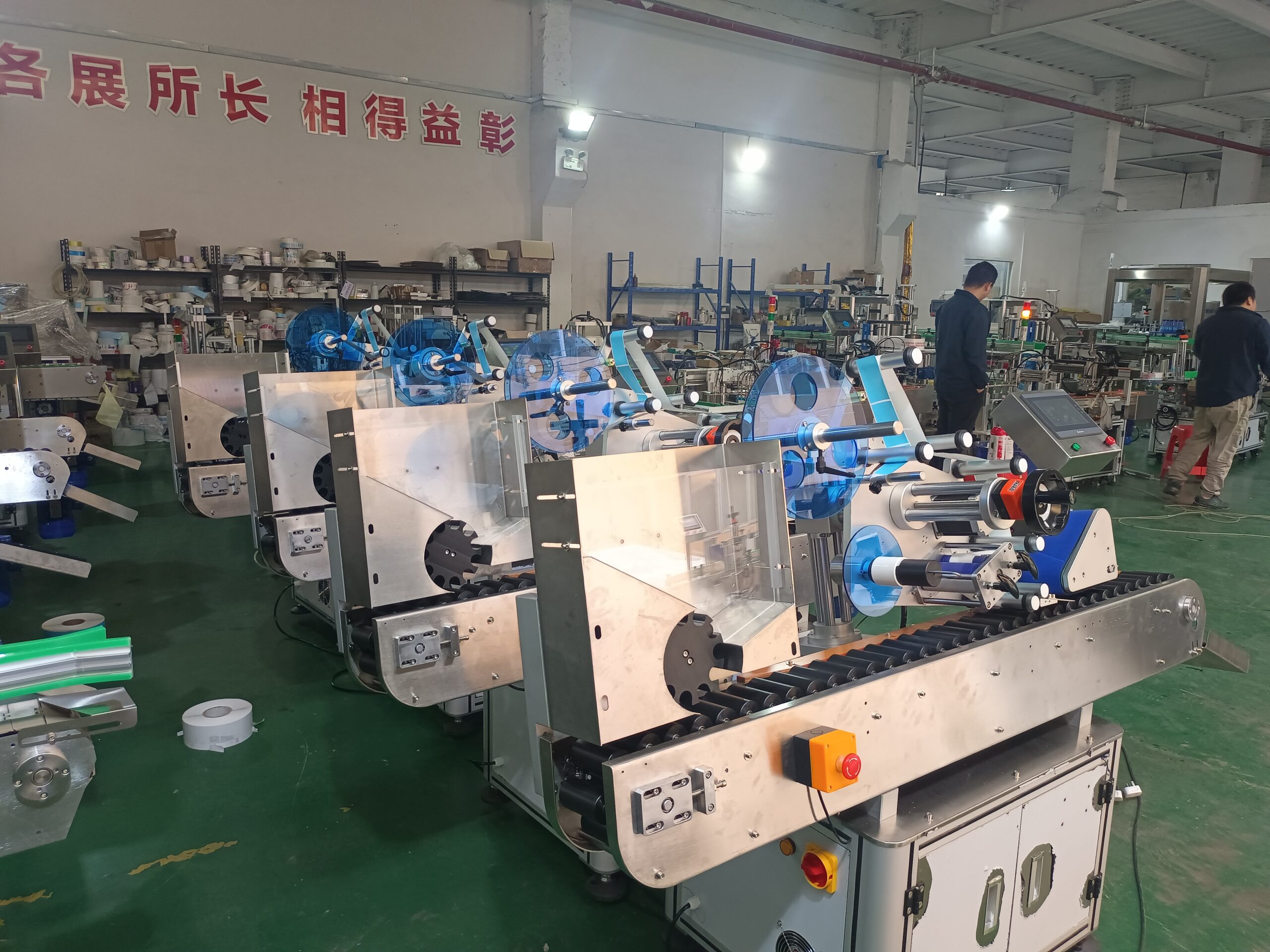
Vials and slim bottles laid down and labeled at line speed: φ10–30mm, ±1mm, the fastest platform in the range.
Get Price →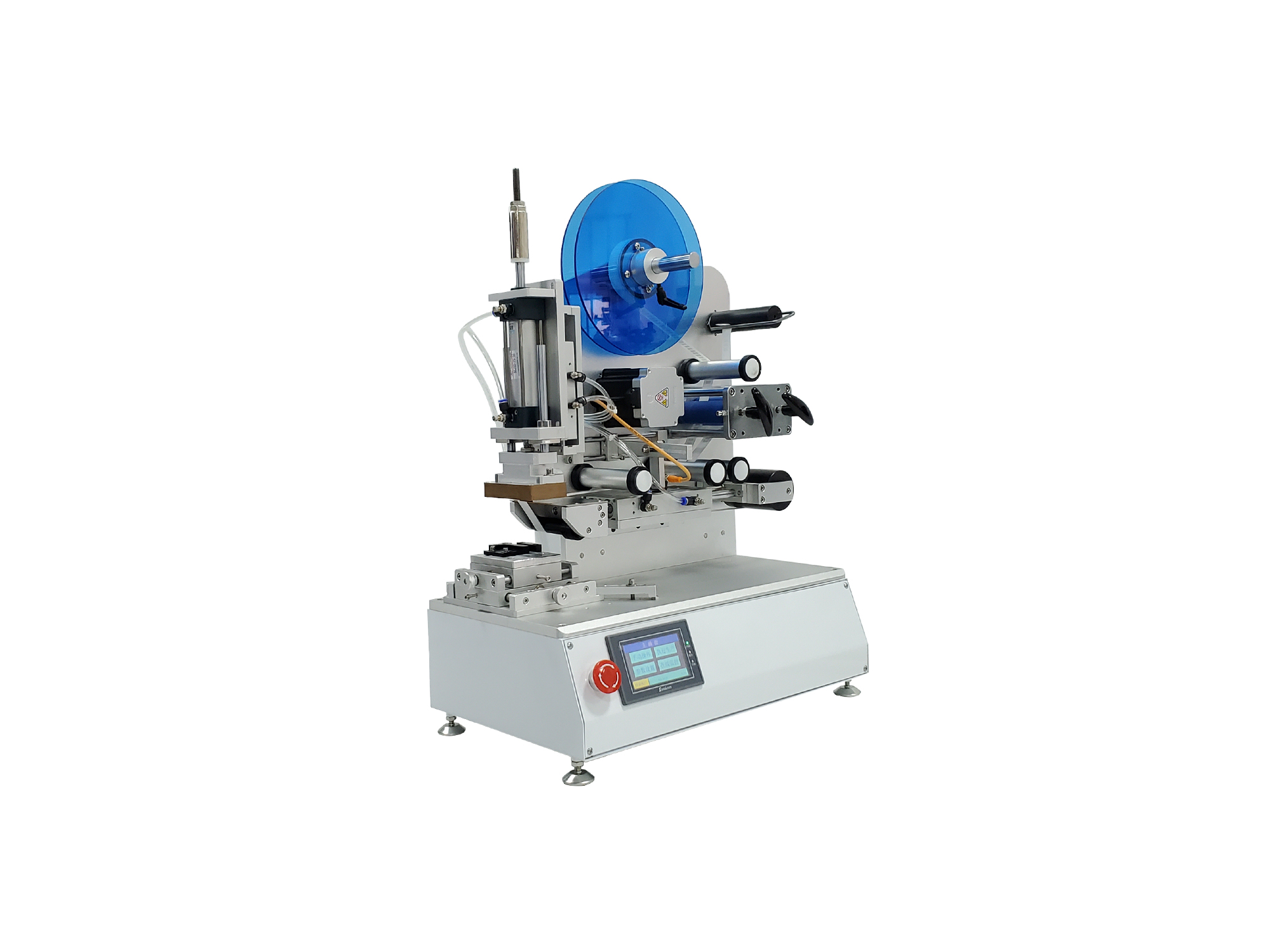
Boxes, cartons, blotter cards and instruction leaflets: three-cylinder suction-placement at ±0.2mm, the tightest accuracy we publish.
Get Price →Folds the label over the tube end: the standard answer for centrifuge tubes, cryo vials and lab consumables.
Get Price →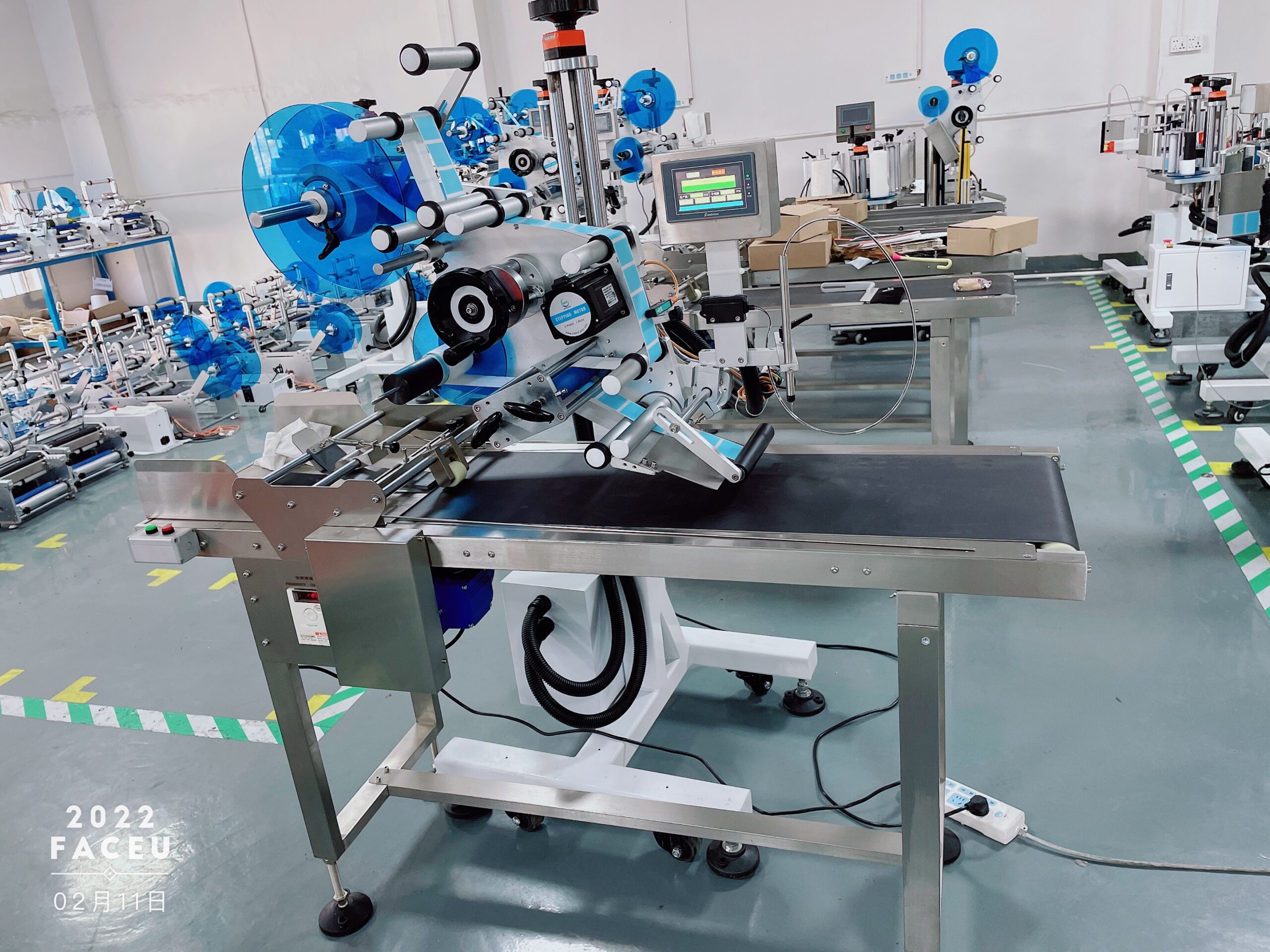
Lot number, expiry and 2D barcode printed and applied in one station, the compliance piece for traceability.
Get Price →A datasheet ±1mm means nothing until it is measured with your vial, your label and your target rate.
The T923’s rated span is 100–300 pcs/min. At the low end, accuracy is trivially held; the engineering question is what it reads at the top of the range with your label length and vial diameter. During the factory acceptance test we record placement readings at three speeds and archive the numbers:
| Run rate | Container | Label | Measured accuracy |
|---|---|---|---|
| 100 pcs/min | your vial sample | your label | ±[TBC] mm, recorded at FAT |
| 200 pcs/min | your vial sample | your label | ±[TBC] mm, recorded at FAT |
| 300 pcs/min | your vial sample | your label | ±[TBC] mm, recorded at FAT |
Where the process demands 100% correct labeling, the line is designed to support an optional vision-check station [TBC; scoped per project] that verifies placement after application. See how the numbers are captured in the 10-point FAT process.
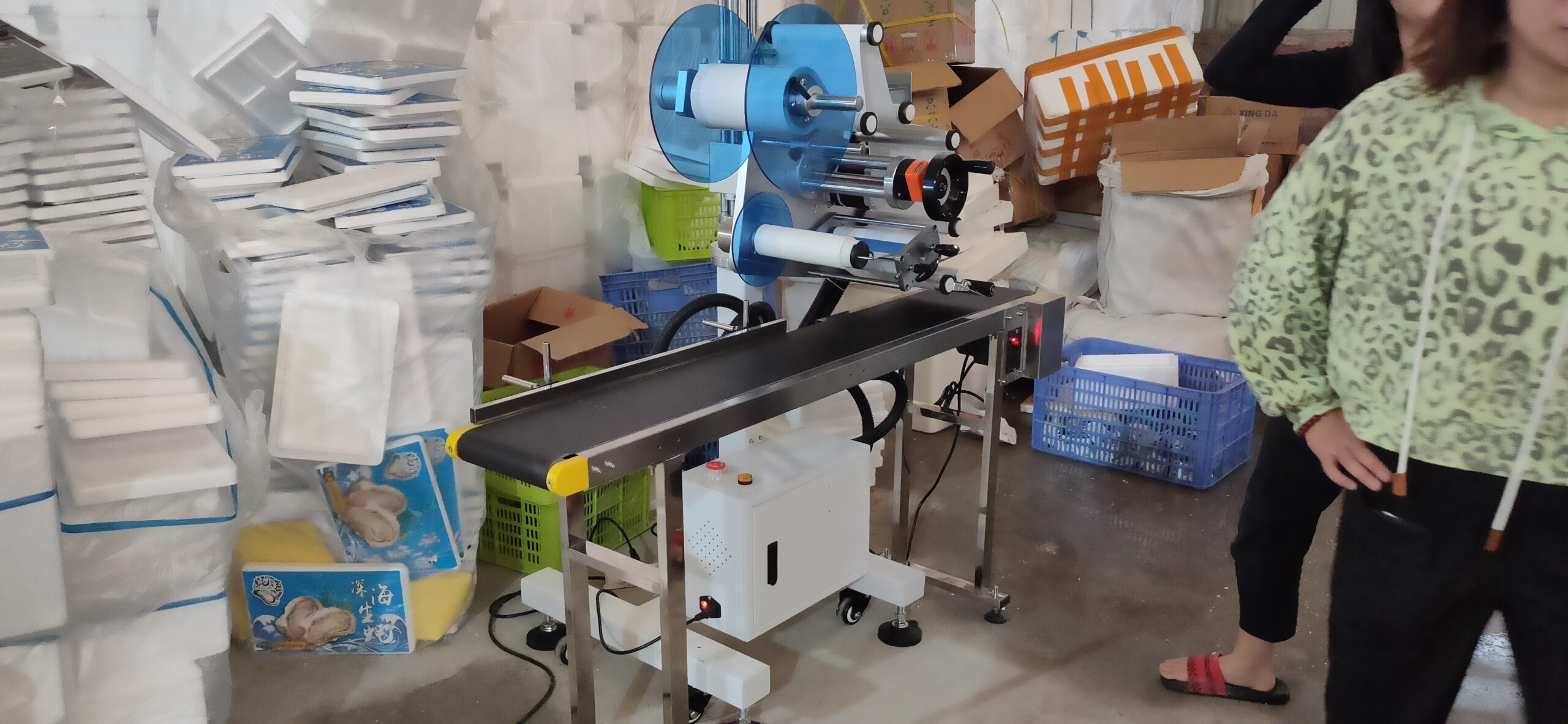
Every FAT produces a signed report (speed, sample photos, accuracy readings, video link) that doubles as your installation baseline.
The equipment side of UDI/GS1 serialization, cGMP documentation packs (IQ/OQ/PQ), Part 11 data integration and DSCSA/EU FMD interfaces, documented on request, with your QMS as the compliance authority.
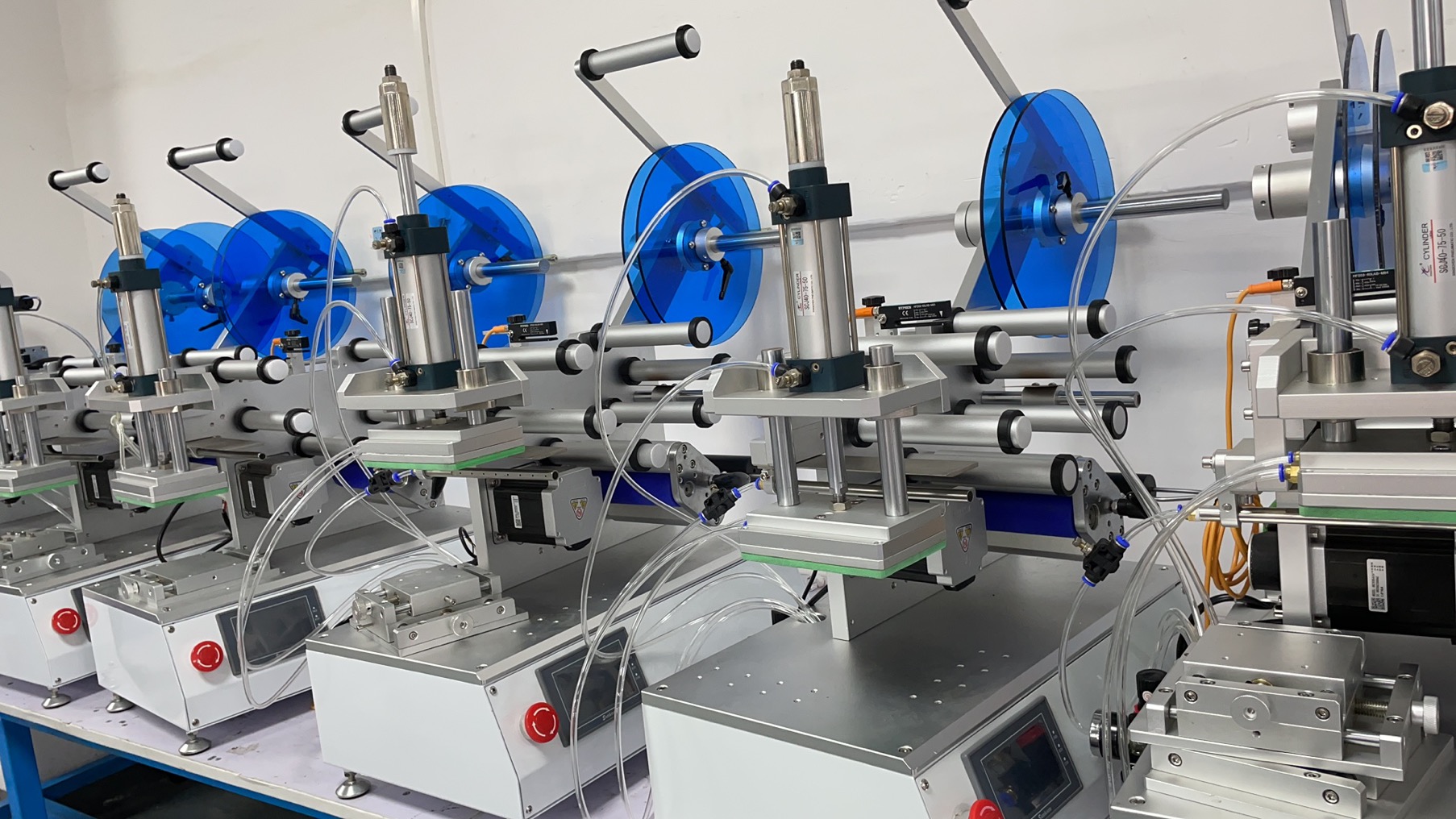
Photoelectric sensors detect labels by reading the gap the label creates as it passes, which is exactly what a transparent label fails to create. The beam passes through clear film as if nothing were there, and the machine feeds blind.
Ultrasonic sensing ignores optics entirely: it reads the label’s physical thickness against the liner, so a clear label on a clear backing registers as reliably as paper. Where the label spec calls for it, we fit special SICK sensors on the relevant platforms, the same hardware specified on the T803 semi-automatic platform. Declare transparent labels at inquiry; the sensor class is a build-time decision, not a retrofit afterthought.
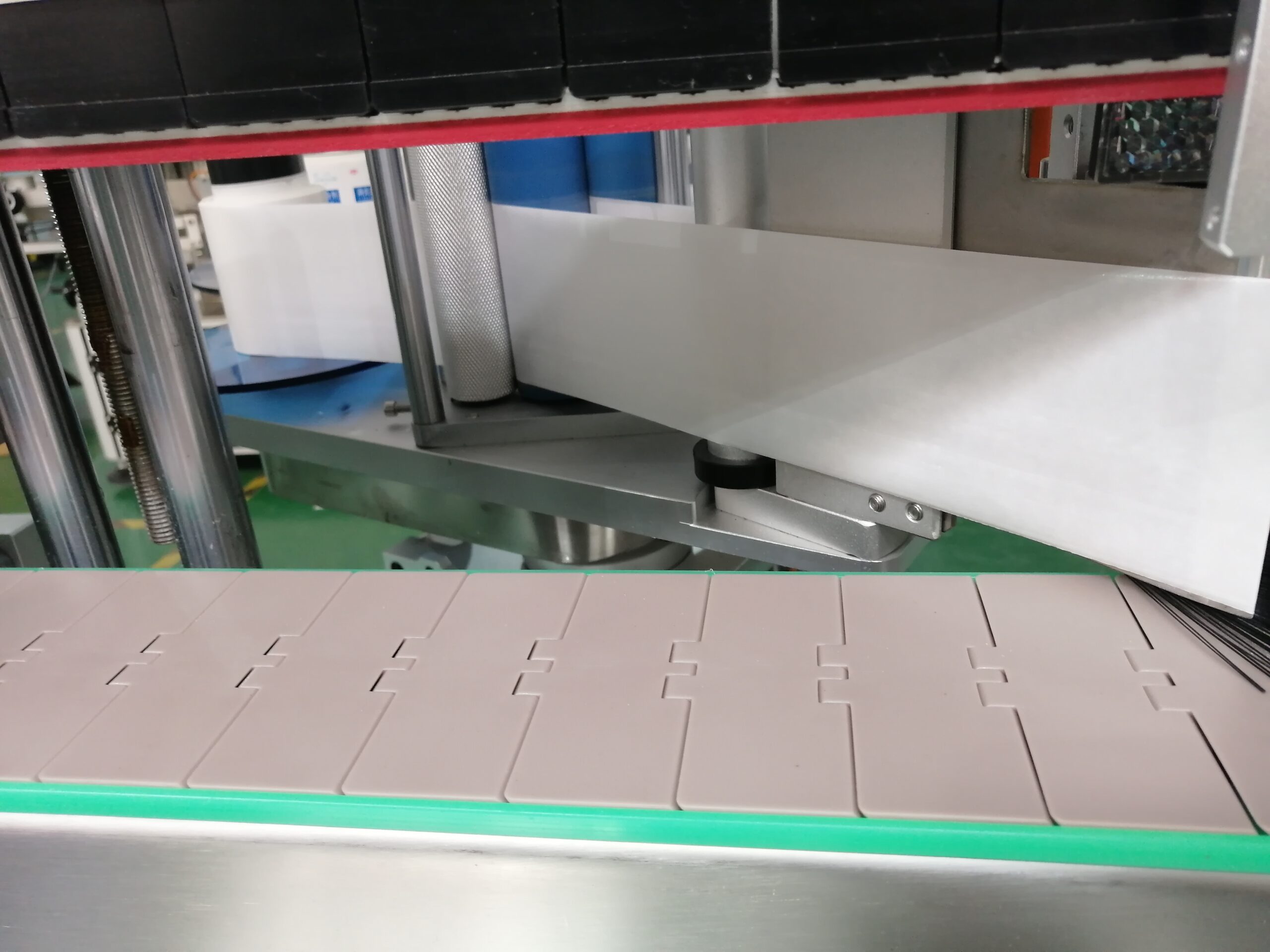
Not every lab needs 300 pcs/min. Peptide suppliers, university core facilities and CDMO pilot lines label in dozens, not drums. The benchtop tier (the T807 flat-surface unit at ±0.2mm and the T808 fold-over for tubes) runs from a bench, a single operator and a foot pedal, at 20–30 pcs/min.
A practical configuration guide: up to ~50 tubes per batch, the T807 with a simple guide fence is enough; a few hundred, add the T808 for flag labels; a few thousand per week, the T923 horizontal automatic pays for itself in operator hours. The same engineering evaluation runs at every scale (bottle, label, speed), so the benchtop you buy now becomes the reference for the line you add later.
30% deposit starts the build; the FAT video of your own vials at your own speed releases the shipment; checklist: 10-point FAT process.
φ10mm is the floor of the T923 horizontal platform, the standard answer for vials and ampoules. Containers this slim cannot stand up at speed; laid down, they run to 300 pcs/min with ±1mm, and benchtop options cover the same diameters at lab scale. More geometry detail on the bottle labeling machine page.
The rated spec is ±1mm at rated speed, and we record what it actually reads with your vial, your label, at 100/200/300 pcs/min during the FAT. You receive the readings and the video before paying the 70% balance, so “guaranteed” means demonstrated, in writing. Process: FAT & quality.
Yes, with ultrasonic sensing, which reads label thickness instead of optics. Photoelectric sensors fail on clear-on-clear because the beam passes straight through; special SICK sensors are fitted where the label spec calls for them. Declare transparent labels at inquiry and we prove it in the test video.
Equipment-side, yes: the line is designed to support machine-readable GS1 codes plus human-readable text, with print-and-apply for data applied at the labeling point. We coordinate interface requirements with your serialization vendor; the compliance system of record remains yours. See the print & apply page for the variable-data station.
A documentation pack is available on request (materials, electrical documentation and factory test records), structured for your validation protocol writers. Exact scope is confirmed per project before ordering, and the FAT report itself is often the anchor of the OQ. Status of the standard pack format: [factory confirmation pending].
Yes. The T807 flat-surface unit (±0.2mm) and the T808 fold-over flag machine cover batches from dozens to a few thousand tubes a week. Both run from a bench with one operator, from $600 (placeholder). Benchtop details on the semi-automatic series page.
Yes, and cannabis compliance is migrating toward pharma-grade placement tolerances, which is what the ±0.2mm T807 tier was built for. Send a sample of your tubes and label stock; the test video shows placement against your compliance panel requirements before you commit.