
Straight-wall jars
Constant circumference means wrap-around works: benchtop T801 for daily batches, automatic T921 when a line takes over.
One label or all the way around: tabletop starters to fully automatic lines, proven on real jars.
Jar geometry decides the machine before volume does. Four paths cover the market.
Constant circumference means wrap-around works: benchtop T801 for daily batches, automatic T921 when a line takes over.

Lids and flat shoulders are top-label territory: T802 suction or the ±0.2mm T807 at benchtop scale, T931 on lines.

Candle jars usually taper, which means jigs, not hope; we engineer the fixture and archive it.
Batch codes on the base, seals on the lid: the dedicated platform for underside work is the T935.
Candle brands live and die on shelf presentation: the front label must sit level on a vessel that is often tapered, and the warning panel must stay put. Straight-wall glass wraps cleanly; tapered vessels get a shorter front label inside the straight zone or a custom jig. The warm-fill itself is not an issue for pressure-sensitive application after cooling. Candle labeling is one of our most-tested niches.
Round honey jars and jam jars are wrap-around textbook cases: φ50–90mm glass, one label, daily batches at startup volumes. The compliance side is food labeling: ingredient and net-content panels positioned where food inspectors expect them, which the food & beverage industry page covers in detail.
Cream and balm jars are short, wide and brand-sensitive, usually a front label plus a base sticker. The clear-on-clear combinations common in cosmetics need special sensing (SICK special sensors), which we confirm on your material before quoting. More context on the cosmetics & personal care page.
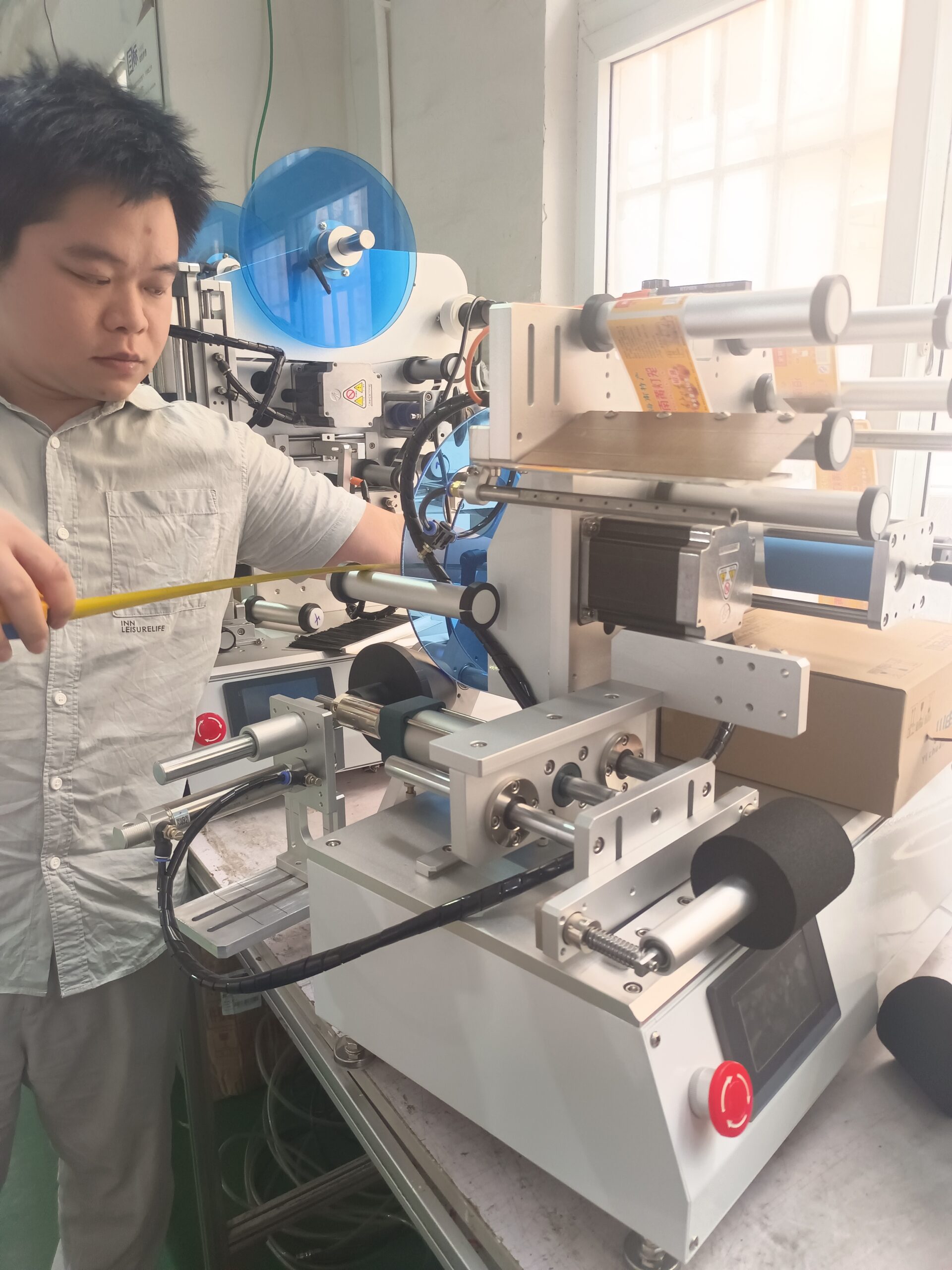
The starter jar machine: φ10–150mm diameter, ±0.5mm, 20–30 pcs/min.
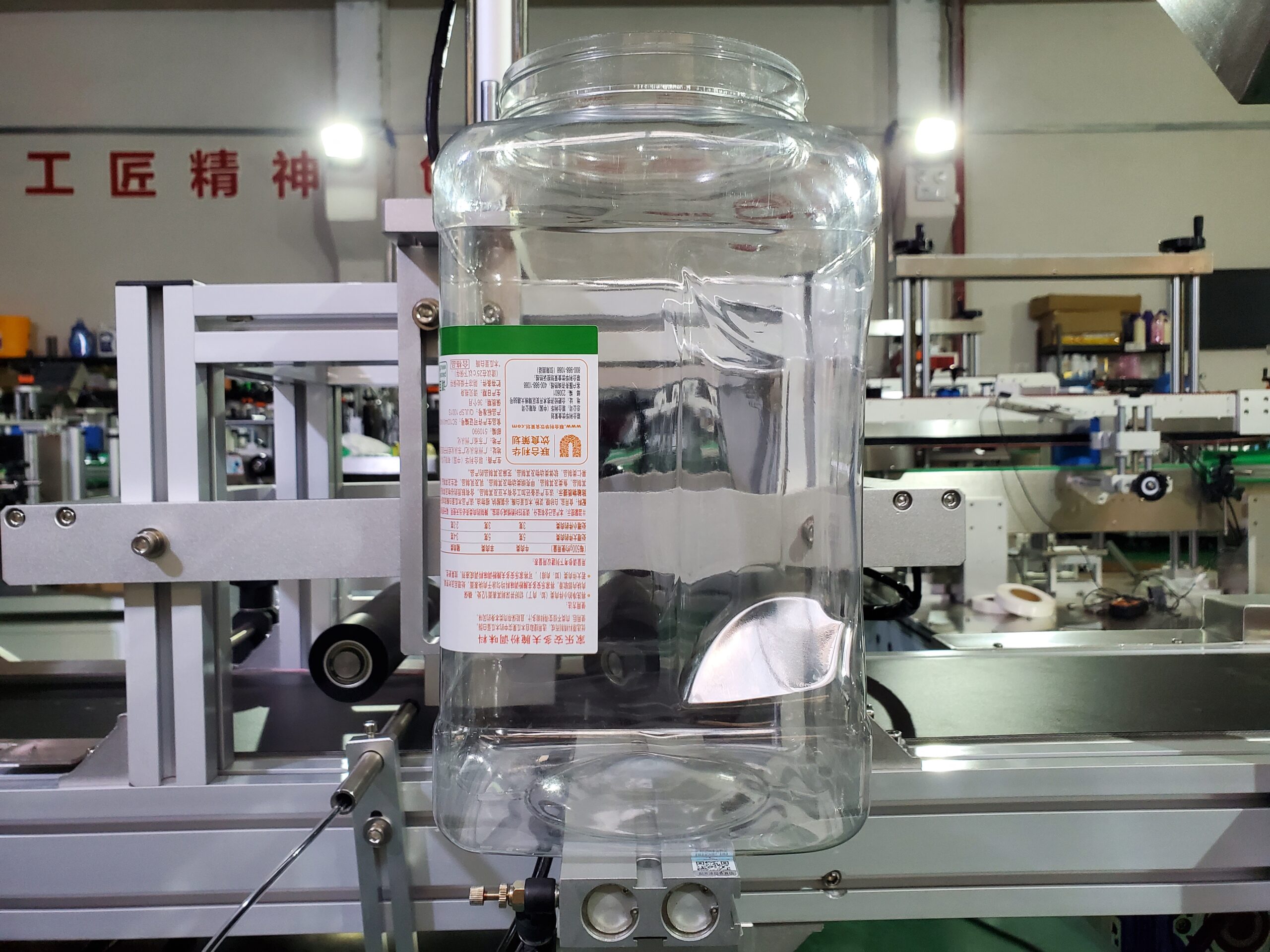
Top labels on lids and flat shoulders; presses labels from 0.2mm-thin stock onto flat surfaces.
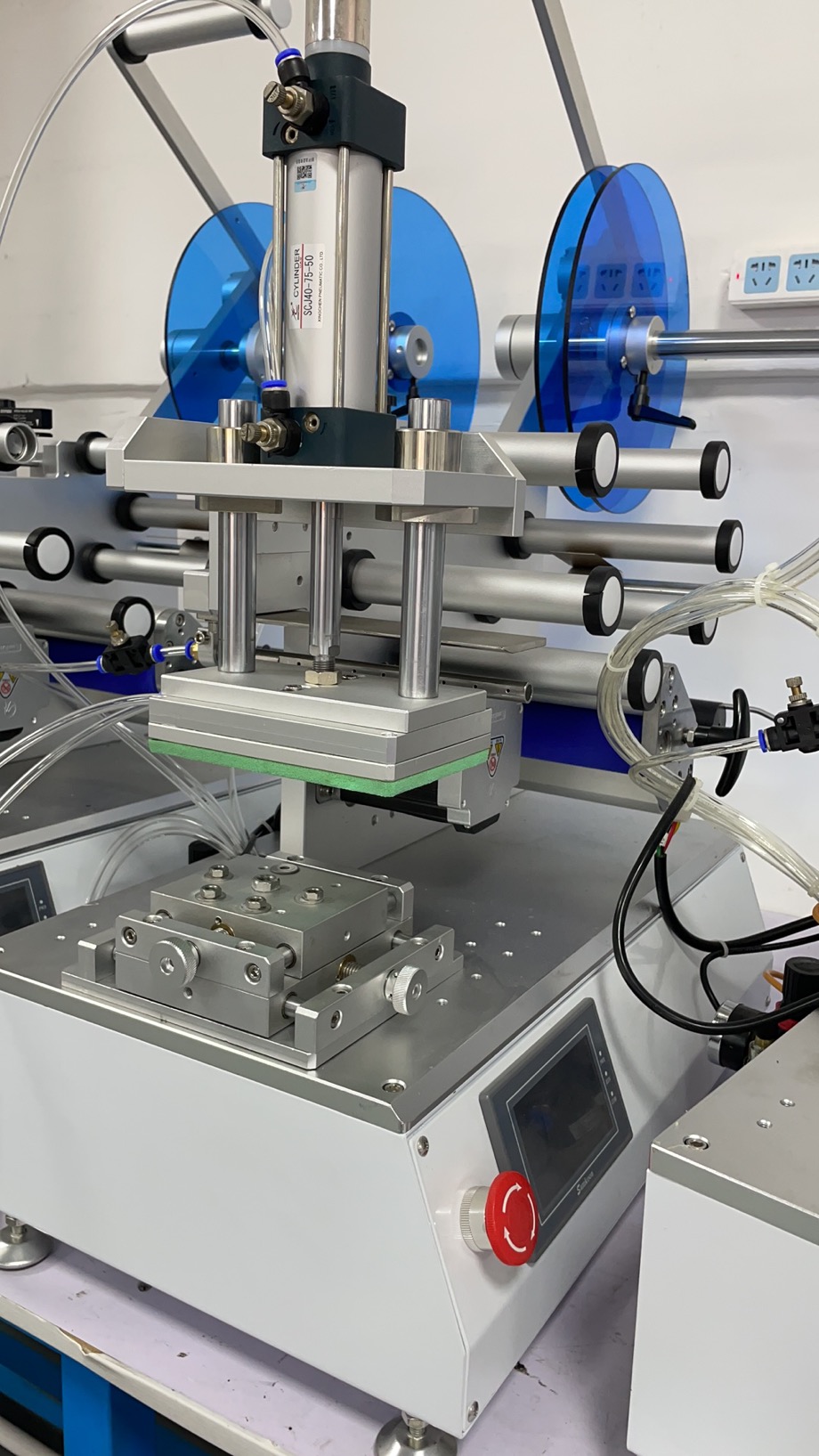
±0.2mm placement for premium front panels and small base stickers.
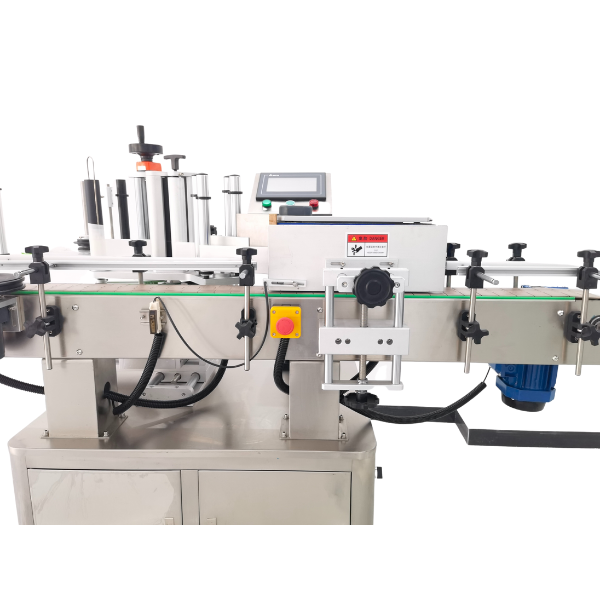
When jars hit the conveyor: φ25–100mm wrap at 40–120 pcs/min, ±1mm.
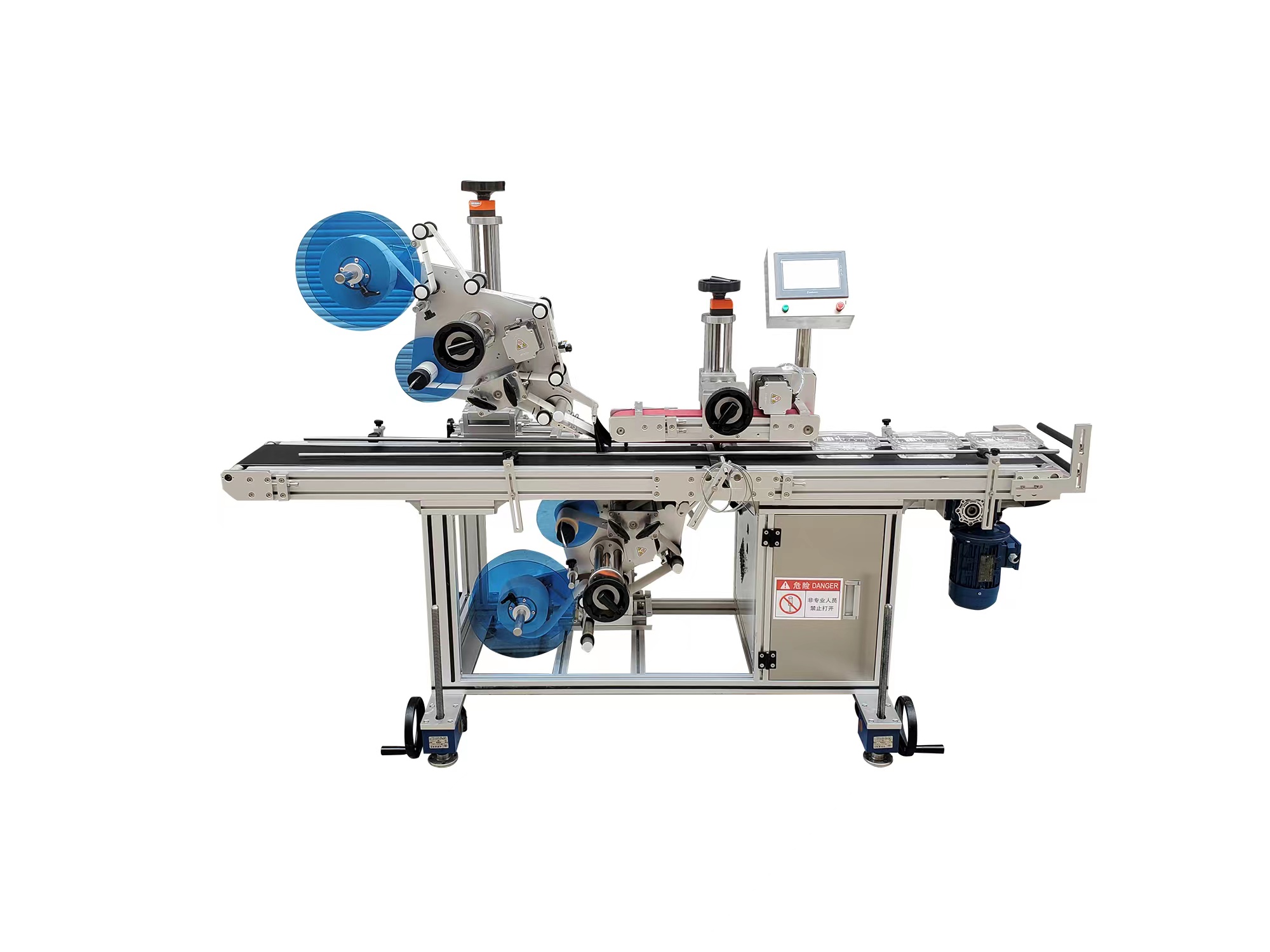
Inline top labeling for lids and flat jar faces at line speed.
Underside labels for batch codes and base branding: the dedicated bottom-application platform.
Four artwork decisions, made before printing, that decide whether a jar labels beautifully or fights the machine.
Label height must fit inside the jar’s straight-wall zone. On tapered candle jars, that zone is short: a front label inside it stays flat; one that rides the taper wrinkles or climbs.
Stiff labels look premium on rigid glass but bridge and wrinkle on anything soft or sharply curved. Match label stock stiffness to the container: soft and conforming for curves, crisp and firm for flat panels.
Machines are specified by liner width, not label width. Keep your liner inside the machine’s range (e.g. T801 accepts liners to 230mm) or the roll simply will not track. This is the most common spec mismatch we see.
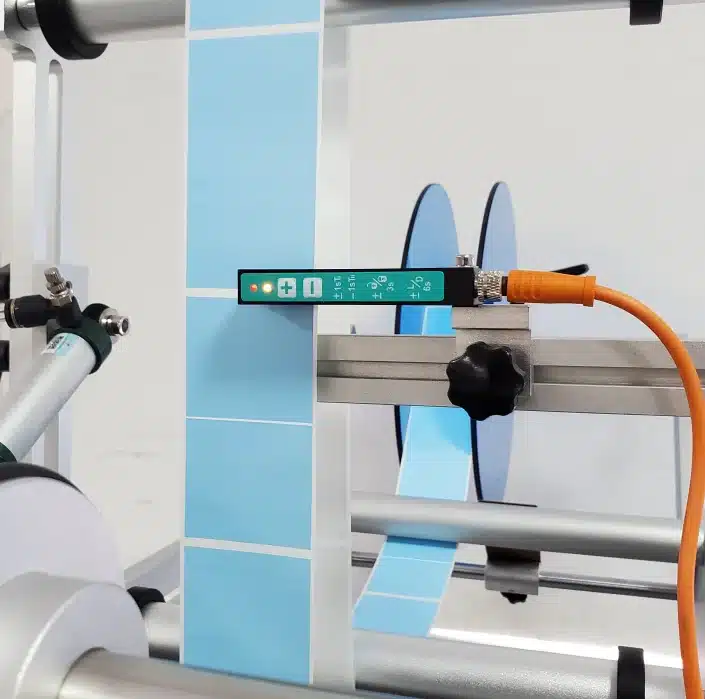
Clear films are invisible to standard sensors. If any SKU uses clear-on-clear, say so at inquiry. Special SICK sensing is fitted and proven in the test video, not improvised after delivery.
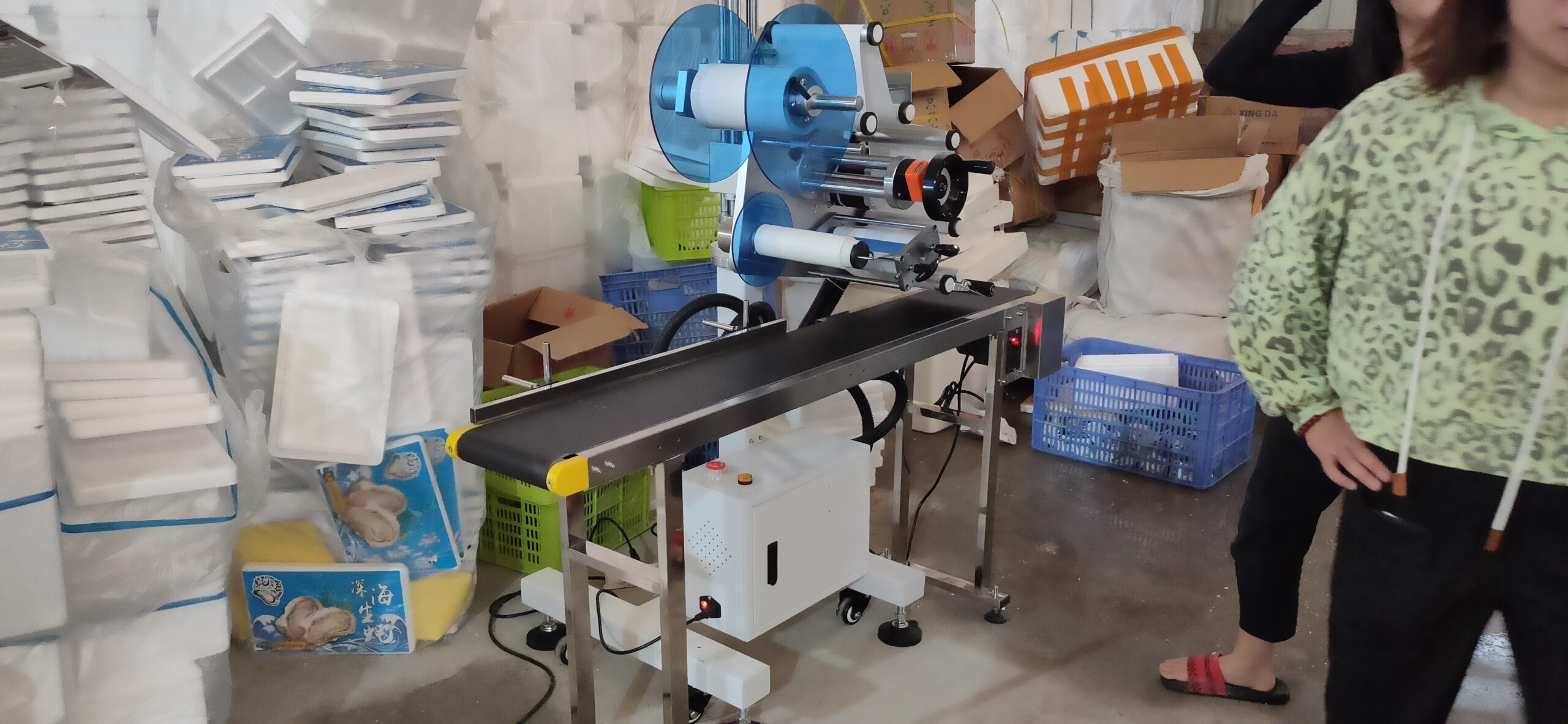
Almost every jar brand we work with started at the kitchen table: a stack of jars, a roll of labels, and a Sunday afternoon that kept getting longer. The climb is predictable: hand-labeling to a $600 desktop starter when batches pass a couple hundred, to a T801-class benchtop when daily volume becomes daily routine, to a T921 line when wholesale orders arrive.
Each step reuses the same fixtures and the same label stock philosophy, so nothing is thrown away. That is deliberate. When the next step pays off is arithmetic: hourly rate, daily volume, order backlog. Run it in the upgrade & break-even calculator before you outgrow the spreadsheet.
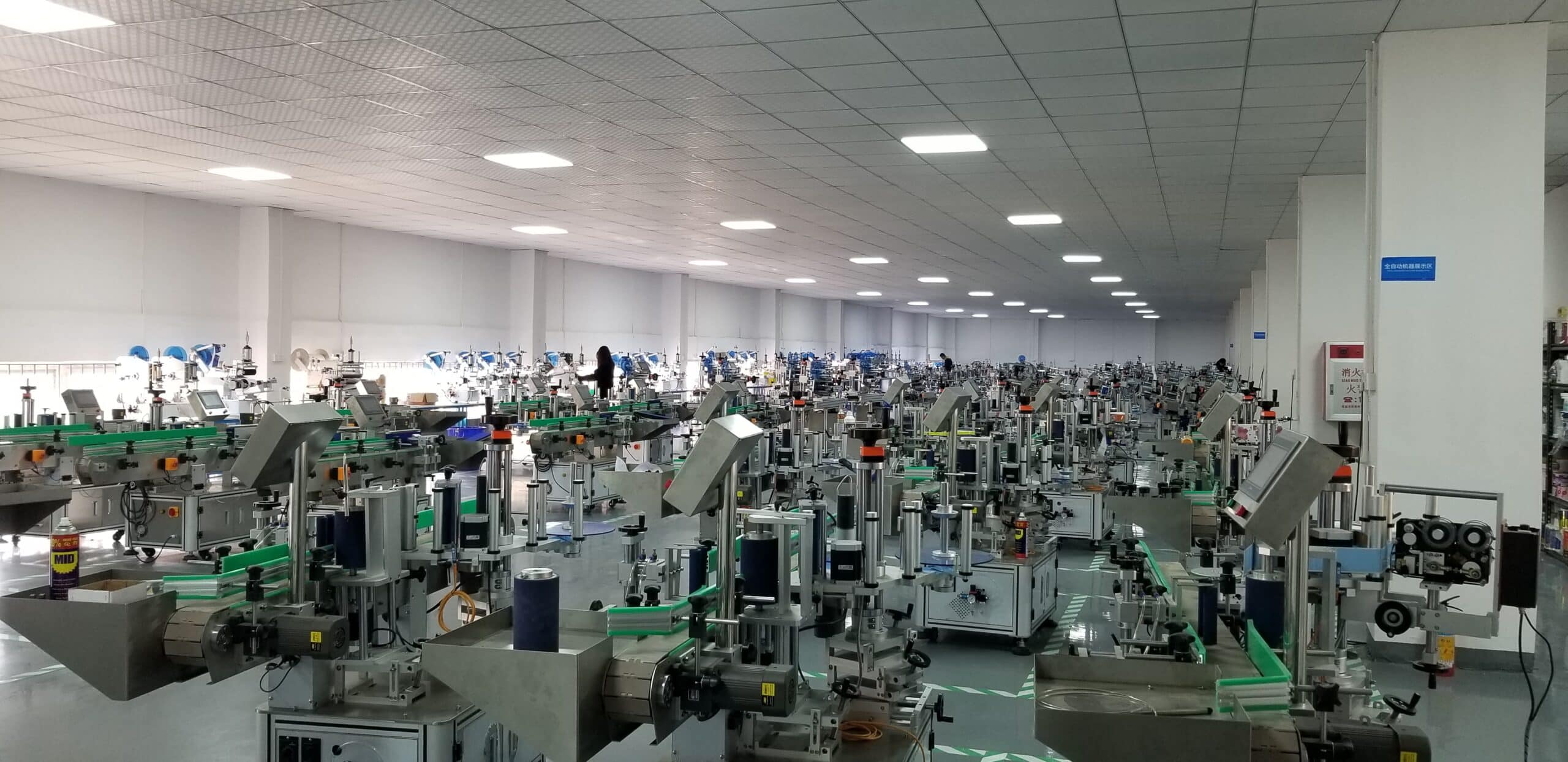
Send a few jars: they run through the exact machine configuration before shipment, and the video is your FAT evidence: FAT & quality.
The benchtop T801 covers round jars from φ10mm to φ150mm diameter and up to 300mm tall at ±0.5mm. Automatic wrap (T921) covers φ25–100mm; short-and-wide top labeling runs on the T802/T807 flat platforms. Send your jar’s diameter, height and label size, and we confirm the fit before quoting.
Yes, either with a shorter label kept inside the straight-wall zone, or with an engineered jig that holds each jar at a controlled angle. Tapered vessels are a custom-engineering specialty: the fixture is designed, proven on video, and archived so reorders skip the tooling fee.
Yes. Top surfaces and lids are handled by the flat platforms (T802/T807 benchtop, T931 inline), and underside labeling is the dedicated job of the T935 bottom-labeling platform: batch codes and base branding applied automatically.
1,000 jars a day is roughly 50–65 minutes of trigger time at 20 pcs/min, comfortably inside one operator on a semi-automatic T801. Automatic makes sense when volume approaches a dedicated shift or needs to match a filling line; the break-even calculator runs your exact numbers.
Yes, with the right sensor. Transparent labels are invisible to standard sensors, so clear-on-clear jars get special SICK sensing, confirmed on your actual label material during the test video. Declare transparent stock at inquiry.
Desktop starters begin from $600 and benchtop models scale up by configuration; the full price structure is in the price center. Send your jars for a firm quote with a free test video.