
5-gallon pails
Curved face, tapered wall, oversized label: fixture-presented application keeps the GHS elements square.
Large labels, heavy containers, unforgiving regulations. When the container weighs 20 kilograms, the fixture decides the outcome.
Curved face, tapered wall, oversized label: fixture-presented application keeps the GHS elements square.
55-gallon drums take big, weather-rated labels on curved steel or HDPE: heavy webs, firm pressure, placement held.
Lubricants, coatings, food-grade chemicals in round tubs: wrap or panel application depending on label size and wall shape.
Compliance panels (handling, warnings, UN marks where applicable) applied flat on carton faces at production pace.
Flag and wrap application on extrusions and wound goods.
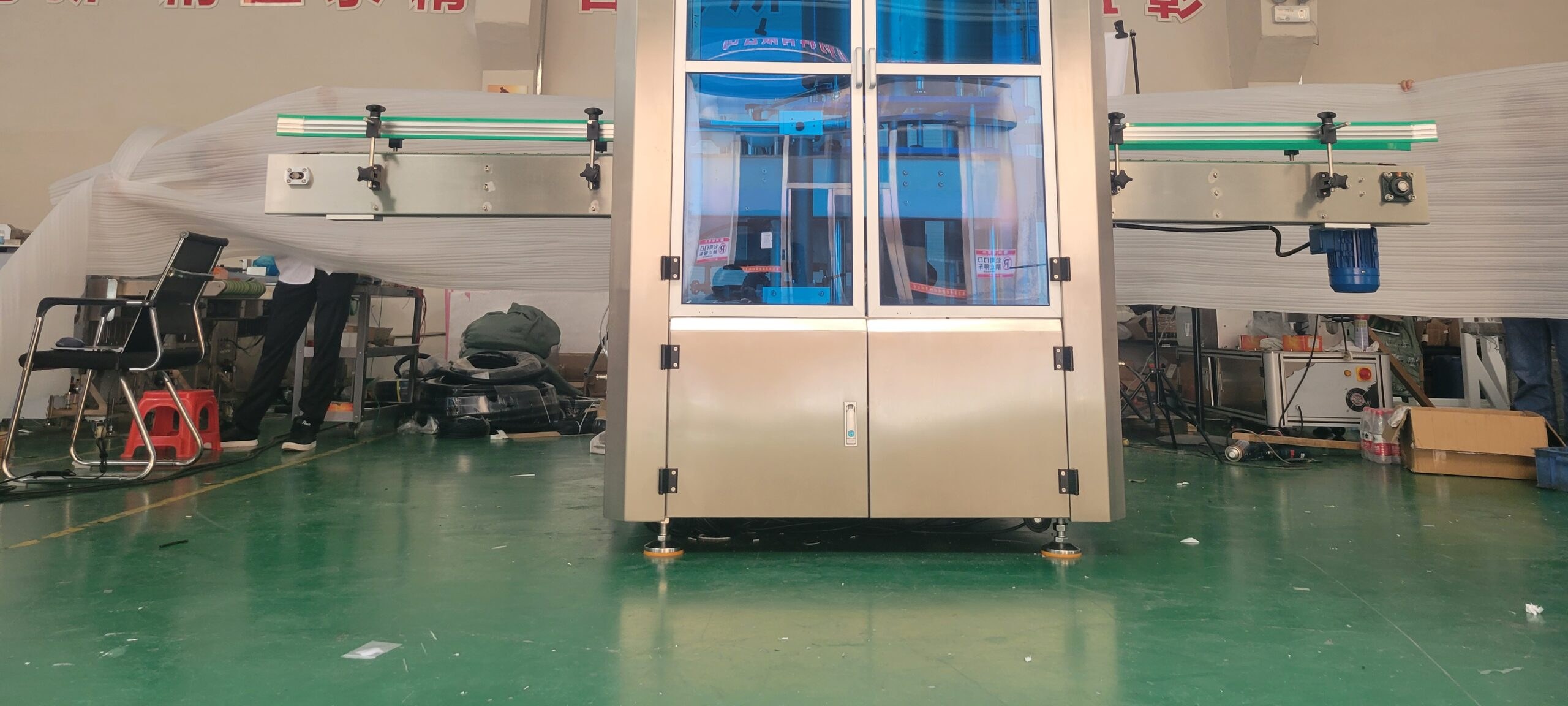
A compliant chemical label carries six GHS elements at once (pictograms, signal word, hazard statements, precautionary statements, product identifier and supplier identification), so the label is a large, heavy web demanding wide liner paths, strong peel force and placement that keeps every element inside its zone.
BS5609 seawater ratings live on the label material side (face stock, adhesive and print system, sourced from your converter); our equipment side applies those heavier, wider webs square, sealed and placed on curved drum faces, proven with your actual drum on video. Classification, artwork and certification stay with your regulatory side.
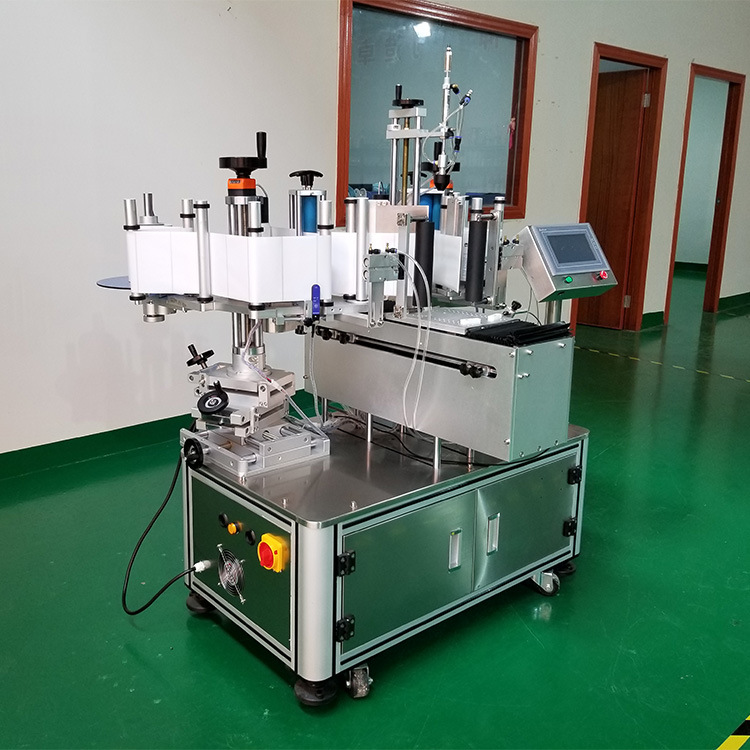
Curved drum faces, tapered pails, oversized webs: jigs and applicator geometry designed around your container, proven on video, archived for reorders.
Get Price →
Mounts over your existing drum-filling or pailing conveyor: apply heads that plug into the line you already run, height and angle adjusted per project.
Get Price →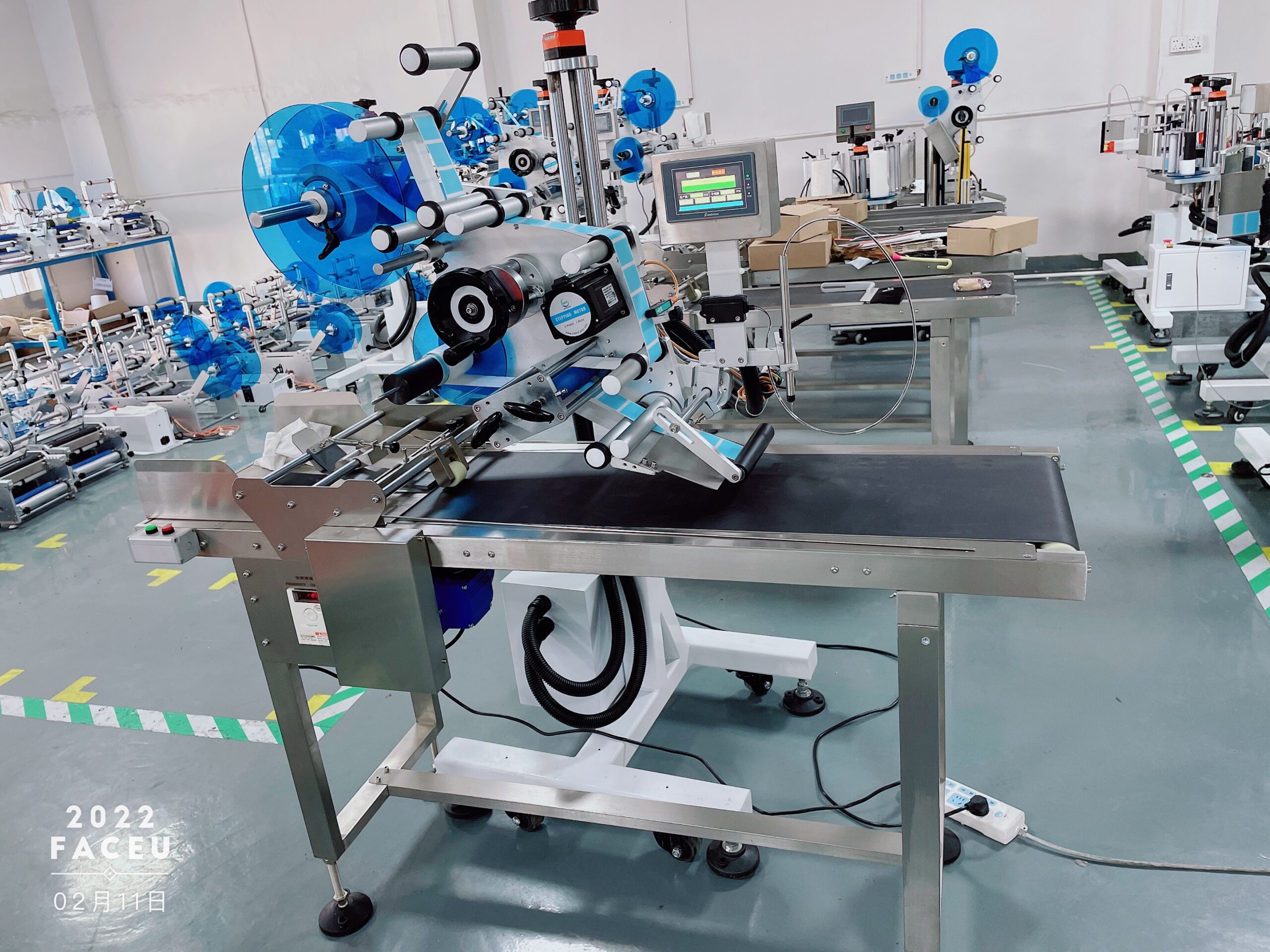
Drum liners, foil bags and flexible industrial packaging fed flat and labeled: the non-round side of the plant.
Get Price →Two physics problems dominate industrial labeling. First, curvature: a 300mm label on a curved drum face bridges changing circumference. Without a fixture, one edge seats and the other lifts, trapping air exactly where the GHS pictogram sits. The jig holds the container at the angle that turns curvature into a manageable constant.
Second, label weight and peel force: a large weatherproof label on stiff stock wants to stay on its liner. The applicator must deliver enough peeling speed and tamp pressure to transfer it cleanly, matched to the stock’s release characteristics. Both parameters are set during your test run. Send the actual pail or drum with the actual label stock, and the video shows the transfer at speed.
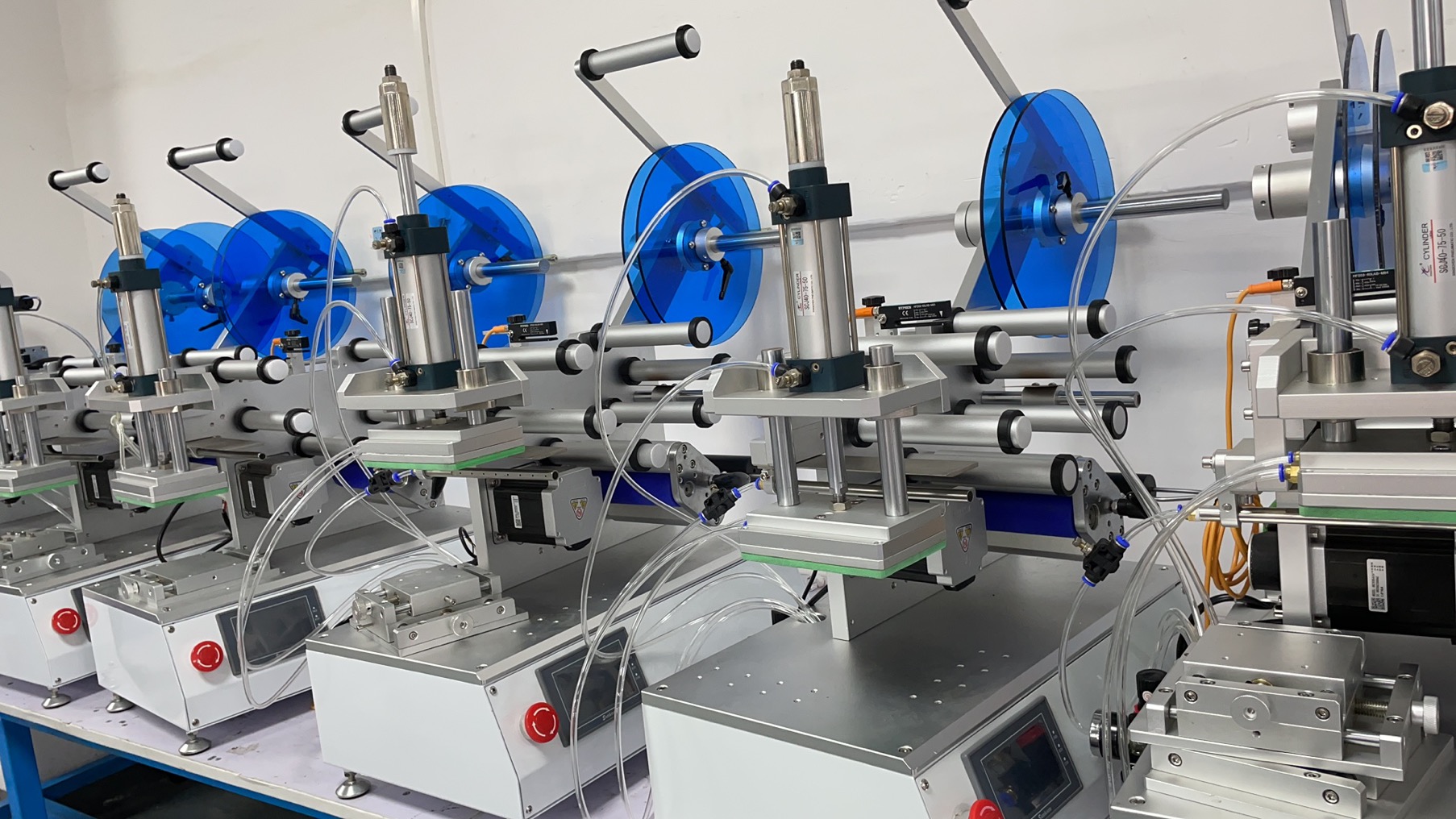
Yes, as engineered solutions: curved faces and oversized labels make this custom-evaluation territory, which we treat as the direct path rather than an exception. Send the pail or drum with the label stock; the fixture design and the test video come back together. Start at custom labeling solutions.
The equipment is engineered around the label web you run: width, stiffness and release characteristics set the applicator and liner-path specification. Exact size ceilings are confirmed per model against your artwork dimensions [size range TBC per project]. Share the label dimensions with your container and we map both before quoting.
Yes, BS5609 is a label-material rating carried by the face stock, adhesive and print system, and our machines are engineered to handle the heavier webs and firmer pressure those stocks demand. Source the rated stock from your converter; we prove the application on video with your drum and stock.
Yes, benchtop platforms cover small-batch pails and tubs at 15–30 pcs/min with one operator, from $600 (placeholder). For flat-surface compliance panels on cartons, the T807 runs ±0.2mm. Benchtop options on the semi-automatic series page.
Yes, the T952 line-side head exists for exactly this: it mounts over your existing conveyor, with height, angle and trigger tuned to your line. We need conveyor height, travel direction and footprint, the same inputs detailed in the retrofit guide. The FAT proves the integration before shipment.